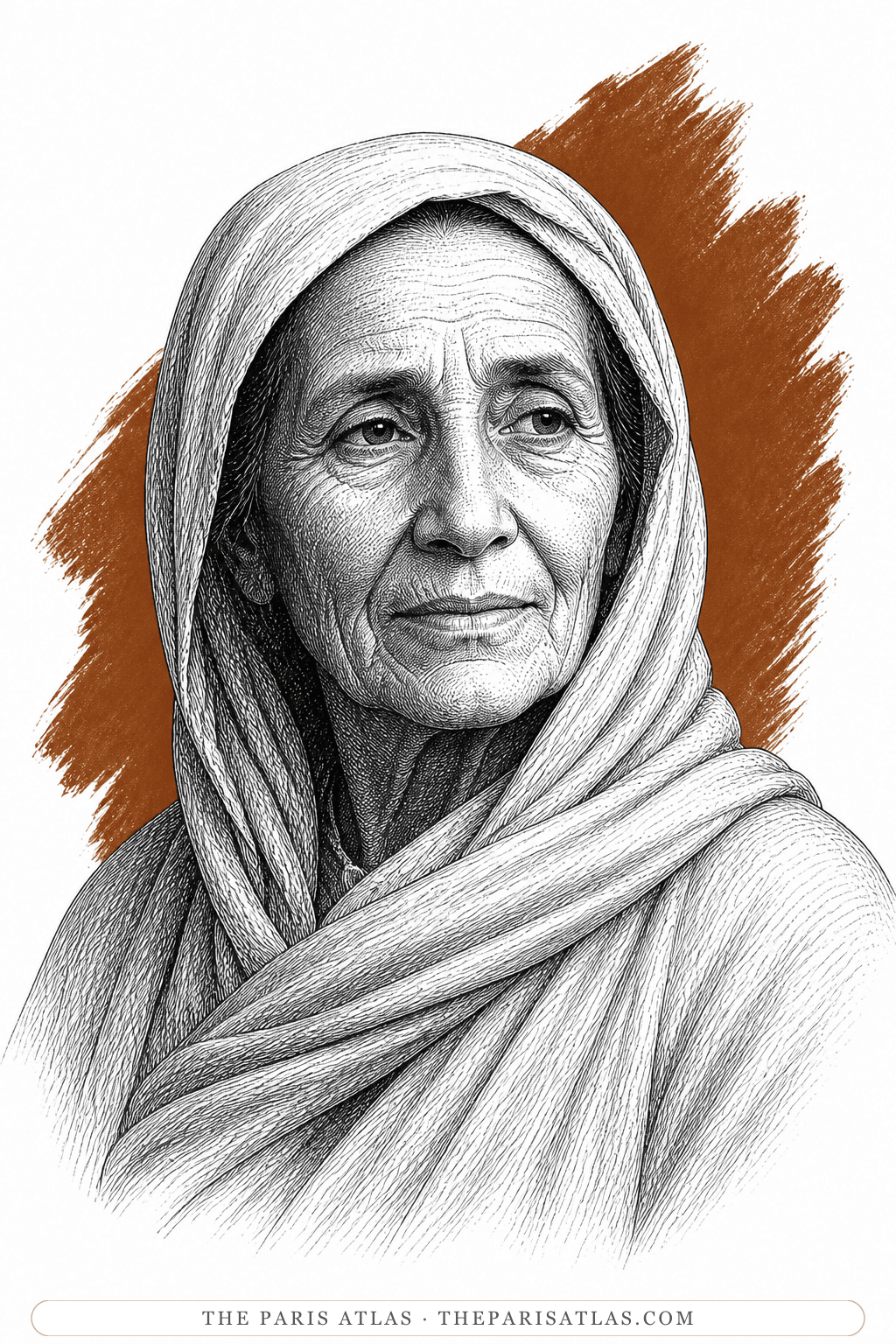
The old woman
A solitary cave-dweller whose fear of leaving changes after a dream.
To remain inside the life she knows until she can accept leaving as release rather than erasure.
The book

At a glance
- The Scorpion
- The Delicate Prey and Other Stories
- Mid-twentieth century
Who they are in the book
Spoiler-freeThe old woman has lived so long in a cave that place and identity are difficult to separate. Her isolation is both the result of family departures and a life she has defended.
A returning son wants to bring her into town. His practical plan cannot answer what surrendering the cave, habits, and nearby relationships means to her.
A dream in which a scorpion enters her body transforms terror into release. Bowles lets an image of death become permission to accept change.
How The old woman Is Portrayed
- Place in the storyThe cave is a home, routine, and model of self rather than a scenic backdrop.
- How power worksHer son can arrange departure but cannot decide what the cave means to her.
- What Bowles showsThe dream changes feeling before it changes action.
- What remains uncertainHer ambiguous connection with the old man suggests a private life her son does not fully know.
- The room with its door openIn the dream-church the women push her into a lit room and close the door. She is a little girl and she is crying, and the bells outside are so loud she imagines they fill the sky.
- The scorpion into her mouthIt comes down the wall from the reeds of the ceiling. It seizes her finger, she raises the finger to her lips to kiss it, and the scorpion crawls into her mouth and down her throat, and is hers.
After dreaming that a scorpion enters her body, the old woman wakes with a sense of release and agrees to go to town with her son.
If you like The Delicate Prey and Other Stories


If you like Paul Bowles
Explore authors with a similar voice, perspective, and influence.
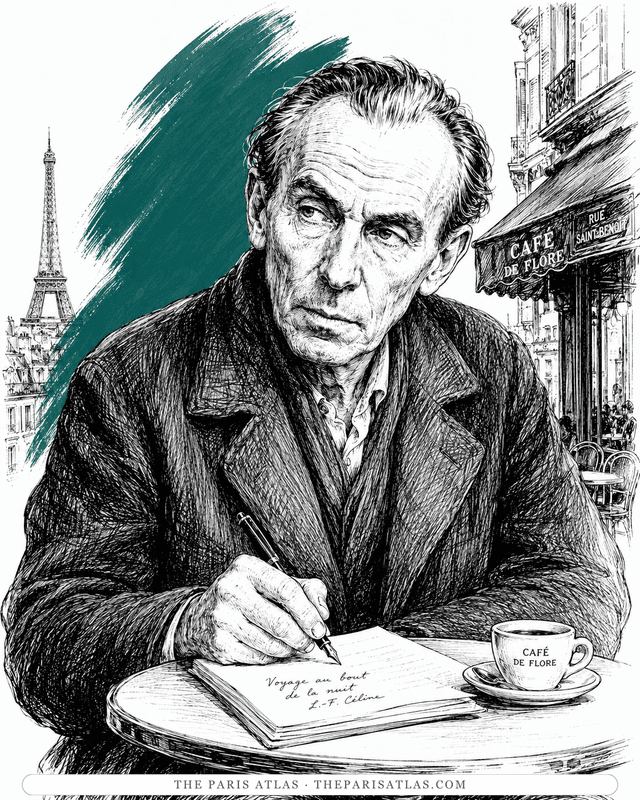
Louis-Ferdinand Céline
The doctor of the Paris slums who wrote the century's blackest, funniest novel — and changed the sound of French prose.
View author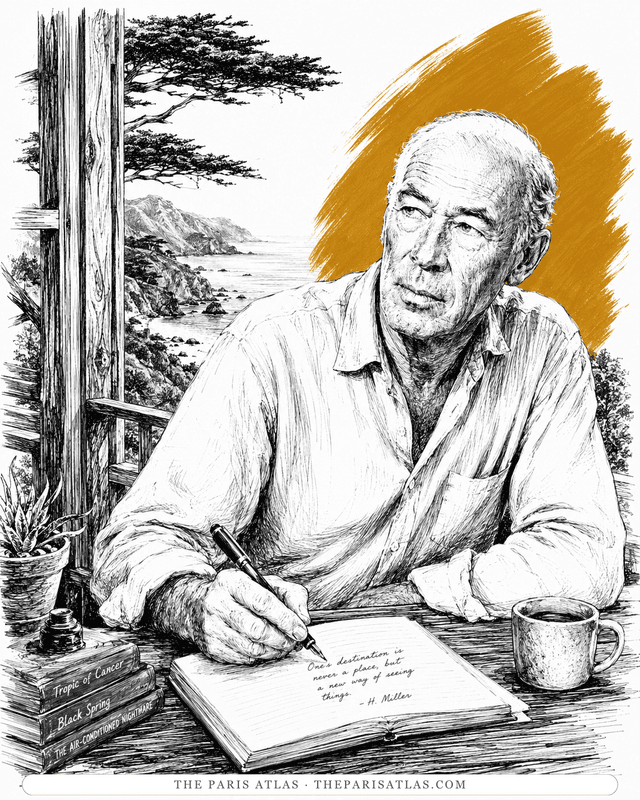
Henry Miller
The Brooklyn dropout who arrived in Paris broke at thirty-eight and wrote the exuberant, banned books that ended American censorship.
View author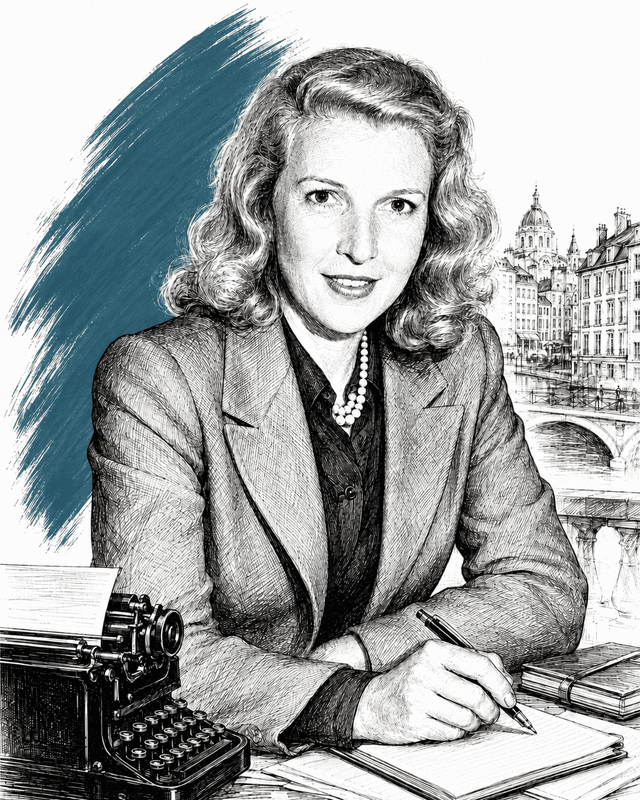
Martha Gellhorn
War correspondent who covered the Spanish Civil War, D-Day, and conflicts across five more decades; Hemingway's third wife, 1940–1945.
View author