The Dessert
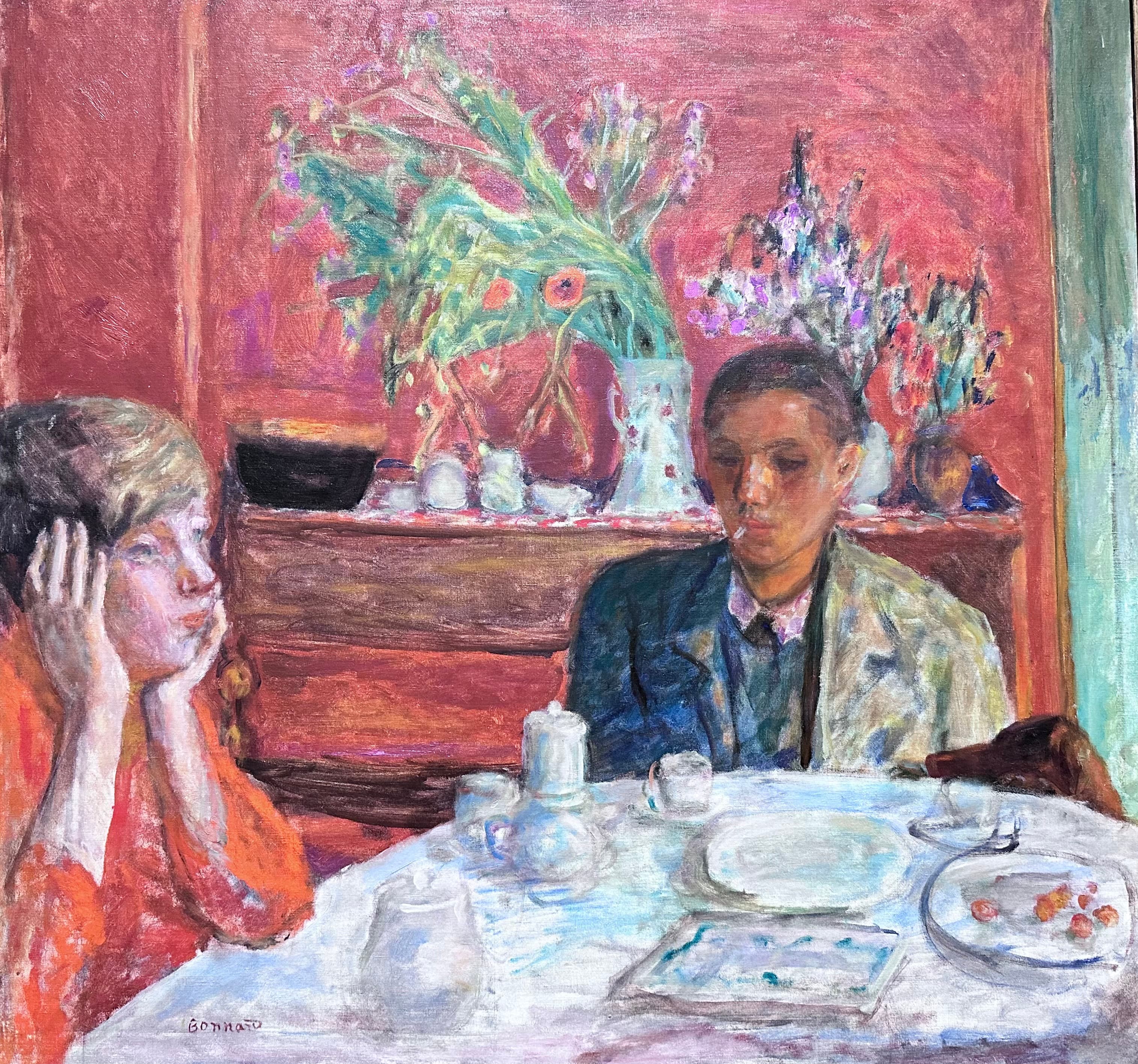
Two people sit at a dining table at the end of a meal. Pierre Bonnard painted a woman holding her head in both hands and a young man with a cigarette in his mouth, a coffee pot between them and a white dish of small orange-red fruits at the right. The Cleveland Museum of Art calls the woman the artist's wife, Marthe, and says the young man has been identified as Ari Redon, son of the painter Odilon Redon. A dachshund, the Bonnard family pet Poucette, is just visible at the edge of the table. The canvas is almost square and entered the collection in 1949.
- 1921
- Oil on fabric
- Cleveland Museum of ArtCleveland, United States
About Pierre Bonnard
What the painting shows
The viewpoint is close and slightly high, from a seat at the same table. The white cloth runs across the bottom third of the canvas. On it stand a covered coffee pot, small cups, a jug, a large empty plate and a flat square dish marked with blue-green. A stemmed glass and a white dish of small orange-red fruits sit at the right. Nothing on the table is a full still life set piece; the meal is over.
The woman on the left wears orange and holds her head in both hands, one flat against her cheek and temple, the other cupped under her chin. She faces right, across the table, with her eyes lowered. The young man on the right wears a dark blue jacket under a pale coat, over a pink-striped shirt and a dark tie, and holds a cigarette in his mouth with his eyes down. Neither looks at the other.
Behind them a chest or sideboard stands against a rose-red wall with two bouquets on it. The larger is blue-green foliage with orange-centred flowers, in a white china jug sprigged with pink. The other is a spray of violet and white flowers rising just behind the young man's head. A black bowl sits at the left end of the sideboard, small pots and cups are lined up along its front edge, and a band of red-and-white pattern runs beneath them. A strip of blue-green closes the right edge of the canvas, answering the blue-green of the bouquet and of the young man's jacket.
At the far right, at the young man's side and level with the tabletop, a dog's head rests on the cloth. The muzzle, one ear and an eye are all legible, in dark red-brown. The Cleveland Museum of Art names her as Poucette, the Bonnard family pet, and calls her just visible at the edge of the table.
Who is at the table
The museum calls the woman the artist's wife, Marthe. She was Marthe de Méligny, Pierre Bonnard's companion of nearly thirty years by 1921 and the model in more of his paintings than anyone else. They married in Paris in August 1925, four years after the picture was painted.
The young man has been identified as Ari Redon, the son of the painter Odilon Redon. That identification places the scene in the circle of painters Bonnard had known since the 1890s rather than among his own relatives, which is where most of his table scenes sit.
Bonnard painted meals throughout his life: breakfast tables, lunches on terraces, coffee afterward. He was interested in the point when a meal stops being an event and the people at the table go quiet.
Warm wall, cold cloth
The picture is organized by two temperatures rather than by lines. Almost everything above the table is red, rose or orange, and almost everything on the table is white touched with blue, gray and green. The figures sit exactly on the join.
The support is what the museum calls fabric rather than canvas, and the paint is thin over much of it, so the weave shows through the wall and the tablecloth. Bonnard worked slowly, returning to finished pictures for years; the hard edge of the sideboard against the wall is one of the few places here where a line has been settled.
Paris collectors to Cleveland
The first recorded owners are the brothers Henri Kapferer and Marcel Kapferer of Paris, listed as lending Le Dessert, number 108, to the first collectors' exhibition held for the Société des Amis du Luxembourg. It ran from 10 March to 10 April 1924 at the Hôtel de la Curiosité et des Beaux-Arts. The Cleveland Museum of Art marks that showing as only possible, resting on a damaged label on the back, and notes that the Bonnard catalogue raisonné dates the exhibition to 1932 in error.
By 1943 the painting was with the Galerie O. Pétridès in Paris, where it appeared in a show of eighteen Bonnard paintings under a different title, Après le déjeuner. Paul Rosenberg & Co. in New York sold it to the Cleveland Museum of Art in 1949, and it entered the collection as a gift of the Hanna Fund with the accession number 1949.18. The museum flags the object for Nazi-era provenance research and cautions that its provenance may not be currently accurate.
The museum gave it a single-object exhibition in 1997 and sent it around Asia, Canada and the United States in the touring show Monet to Dalí, which ran from May 2006 to January 2009 across nine venues.
Close reading
Reading the work, detail by detail
Two people have stopped talking at the end of a meal. The crops separate what each of them is doing, find the dog at the cloth's edge, and count what is actually left on the table.
1.She holds her head in both hands
One hand presses flat against her cheek and temple, fingers spread; the other comes up under her chin. Her face is turned to the right, across the table, with the eyes lowered, not away past the edge of the picture.
2.A cigarette, a striped shirt and a dark tie
The cigarette sits in his mouth with a thread of smoke above it and his eyes are lowered. A dark blue jacket shows on one side and a pale coat on the other, over a pink-striped shirt and a dark tie.
3.Poucette at the edge of the cloth
The Cleveland Museum of Art names the dachshund as Poucette, the Bonnard family pet, and calls her just visible at the edge of the table. She is at the young man's side, and the muzzle, one ear and an eye are all legible.
4.A white dish, not a glass one
The dish holding the small orange-red fruits is white ceramic, shaded with blue, rather than glass. A stemmed glass stands behind it, and a flat square dish marked with blue-green lies to the left.
5.A black bowl and a row of small pots
A black bowl sits at the left end of the sideboard, with small white pots and cups lined along the front edge. A band of red-and-white pattern runs beneath them, along the sideboard's lip.
6.The second bouquet is violet
The second bouquet is a loose spray of violet and white flowers rising directly behind the young man's head, lower than the blue-green one to its left. The room is not short of cool colour: this and his jacket both supply it.
7.Signed in dark red on the cloth
The signature is painted straight onto the white tablecloth at the lower left. It reads dark red-brown rather than black, which matches the inscription the Cleveland Museum of Art records for the canvas.
Timeline
1921
Painted and signed at the lower left.
1924
Listed as lent by Henri Kapferer and Marcel Kapferer, as number 108 under the title Le Dessert, to the collectors' exhibition for the Société des Amis du Luxembourg, 10 March to 10 April.
1943
Shown at the Galerie O. Pétridès, Paris, in 18 peintures de Bonnard as number 15, under the title Après le déjeuner.
1949
Sold by Paul Rosenberg & Co., New York, to the Cleveland Museum of Art; accession 1949.18, gift of the Hanna Fund.
1950
Reproduced and discussed by Henry S. Francis in the January Bulletin of the Cleveland Museum of Art.
1997
Given its own display at the museum, Object in Focus: Pierre Bonnard's The Dessert, from 1 September to 14 October.
2006–09
Travels with Monet to Dalí: Modern Masters from the Cleveland Museum of Art, through nine venues from Beijing and Tokyo to Seoul, Vancouver, Cleveland, Nashville, Salt Lake City and Detroit.
Where to see it
Cleveland Museum of Art
11150 East Boulevard, Cleveland, OH 44106, United States
The museum's record gives gallery 223, 20th Century Avant-Garde. Displays rotate, so check the collection page before traveling to see it.
Plan your visit on the museum’s official website (opens in a new tab)Frequently asked questions
Where is The Dessert by Bonnard?
The Cleveland Museum of Art, accession number 1949.18, a gift of the Hanna Fund. The museum's record places it in gallery 223, the Michael J. Horvitz Family Gallery, among the 20th-century avant-garde.
Who are the people in The Dessert?
The Cleveland Museum of Art calls the woman the artist's wife, Marthe. She is Marthe de Méligny, Pierre Bonnard's companion and his most frequent model. The museum says the young man has been identified as Ari Redon, son of the painter Odilon Redon, and names the dachshund at the table edge as the Bonnard family pet, Poucette.
What is on the table?
A covered white coffee pot, small cups, a jug, a large empty plate, a flat square dish marked with blue-green, a stemmed glass, and a white dish of small orange-red fruits at the right. The meal itself is finished, which is what the title refers to.
How big is The Dessert?
76.2 by 80 centimeters unframed, so it is slightly wider than it is tall. Framed, the Cleveland Museum of Art gives 114.6 by 117.5 by 7.9 centimeters.
Why has The Dessert had more than one title?
Dealers and exhibitions renamed it. It was listed in Paris in 1924 as Le Dessert, in Antwerp in 1926 as Au dessert, and in 1943 at the Galerie O. Pétridès as Après le déjeuner, meaning after lunch. The Cleveland Museum of Art catalogues it as The Dessert and records After Dinner as an alternate title.
Is The Dessert painted on canvas?
The Cleveland Museum of Art records the support as fabric rather than canvas. The paint is thin in places, and the weave of the support is visible through the wall and the tablecloth.
More by Pierre Bonnard
If you like Pierre Bonnard
Explore painters from the same movements and circles.
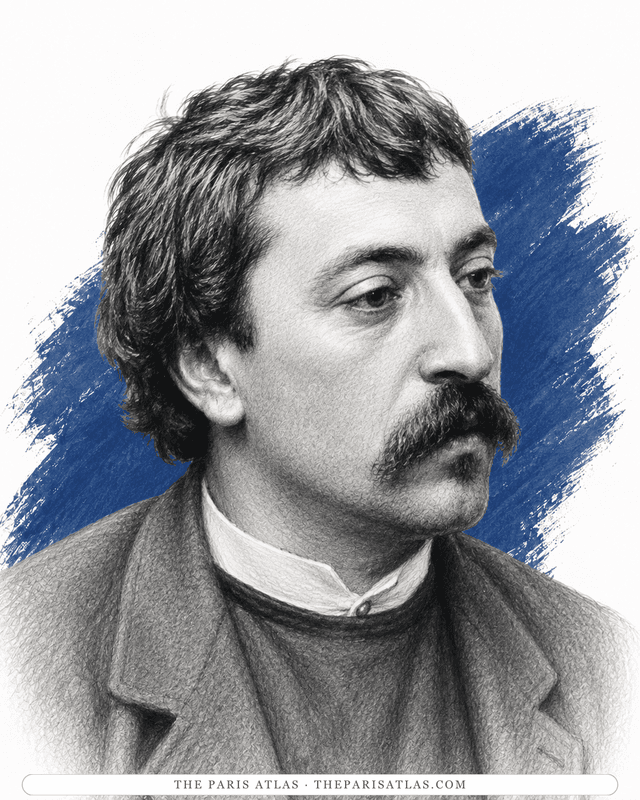
Paul Gauguin
Stockbroker turned painter who came into art through Camille Pissarro, showed with the Impressionists, and left Europe for Polynesia.
View artist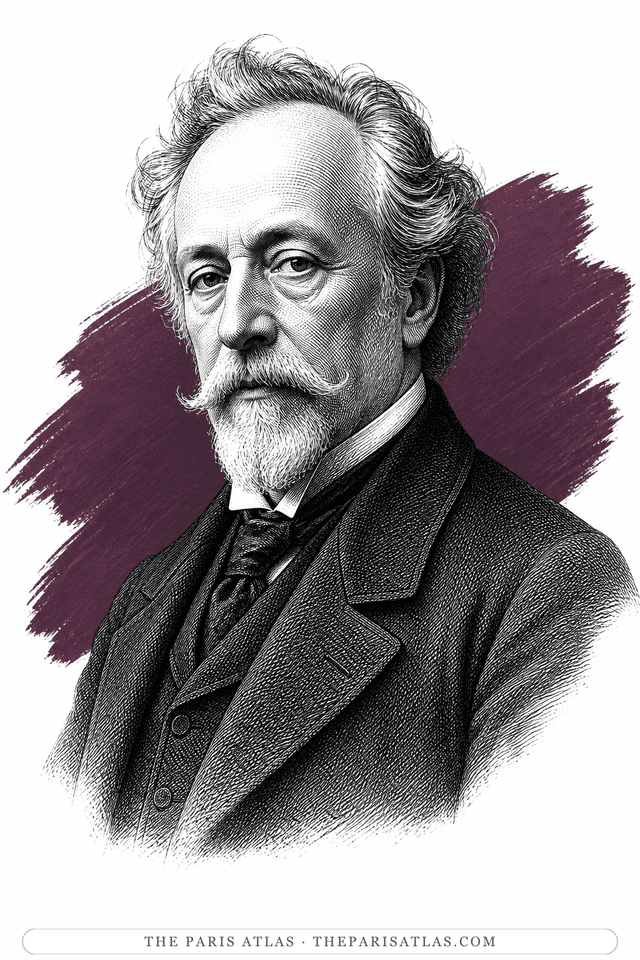
Gustave Moreau
Painter of jewelled myths — Salome, Oedipus, floating severed heads — who lived nearly his whole life in one Paris house, taught Henri Matisse and Georges Rouault at the Beaux-Arts, and turned the house into a museum before he died so the state would have to keep everything.
View artist
Edvard Munch
Norwegian painter of The Scream, who arrived in Paris in 1889 on a state scholarship to learn academic drawing from an anti-Impressionist professor, lost his father that November, and spent a bleak winter in the riverside suburb of Saint-Cloud writing down the vow that redirected his art — paint the moments when people are most alive, not the furniture around them.
View artist
References
The sources below include collection records, catalogues, scholarly research, and primary materials that informed this page. They document The Dessert, its making, and its place in cultural history.

1The Dessert
Official recordThe Cleveland Museum of ArtUsed forOfficial record used to verify names, dates, institutional details, or other factual information on this page.
2The Art of Pierre Bonnard
PeriodicalThe Bulletin of the Cleveland Museum of Art, vol. 37, no. 1, 1950Used forContemporary reporting or criticism used to document the historical reception and context of The Dessert.

3Bonnard, Vuillard, Denis, and Vallotton: private lives
WebsiteCleveland Museum of Art — “Private Lives: Home and Family in the Art of the Nabis, Paris, 1889–1900”Used forWeb source consulted for documented facts and historical context presented on the The Dessert page.

4Bonnard: catalogue raisonné de l'œuvre peint
NonfictionÉditions J. et H. Bernheim-Jeune, Paris, 1968Used forPublished analysis and historical context used in preparing the The Dessert page.
5Pierre Bonnard — biography and chronology
WebsiteMusée BonnardUsed forWeb source consulted for documented facts and historical context presented on the The Dessert page.
These references provide the documented foundation for this work's history and interpretation. Claim-level citations remain attached to the specific claims they support.
 Explore more resources