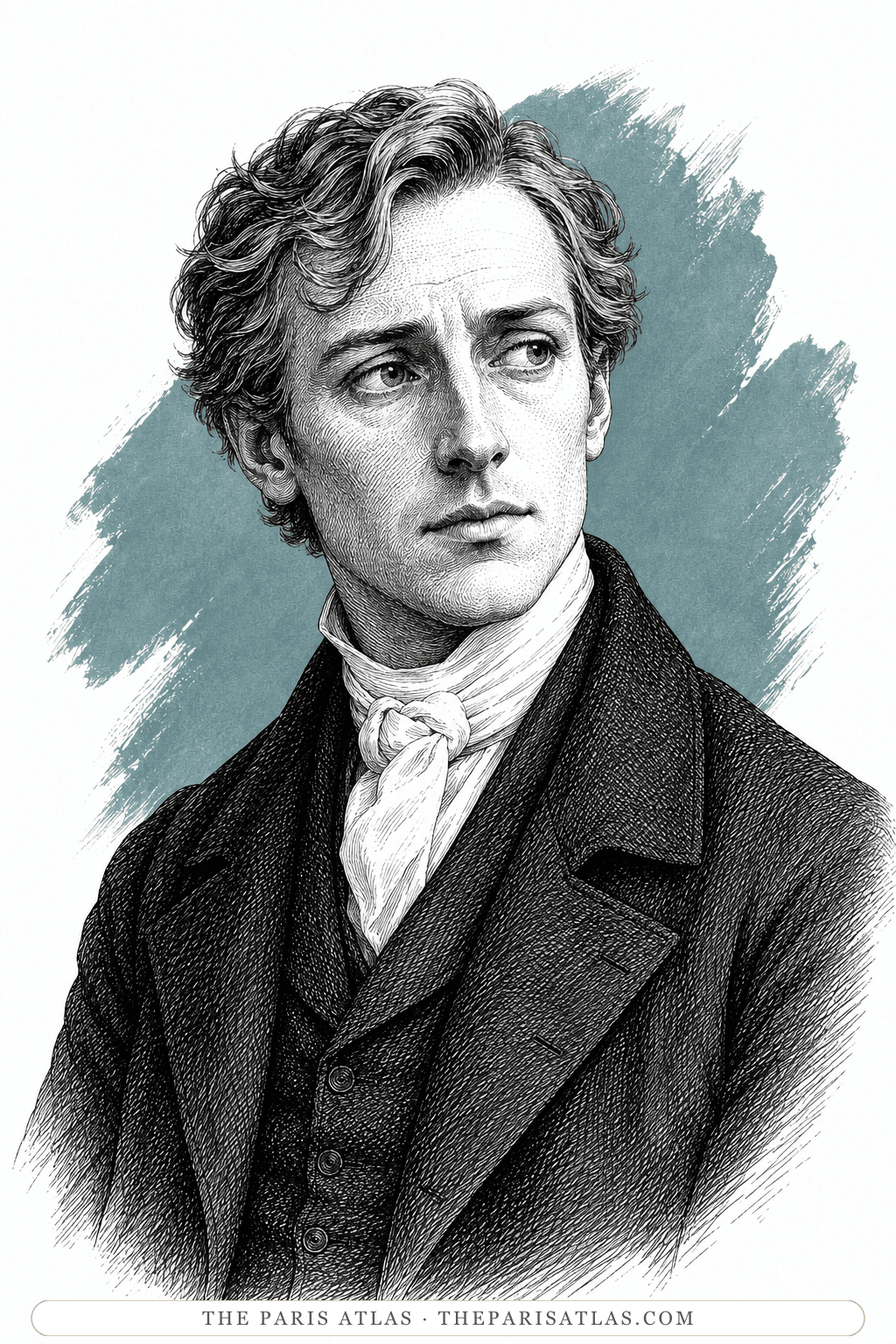
Adrian
The Earl of Windsor, son of the former king, and the friend who leads the survivors’ relief efforts.
He wants to reduce suffering and sustain cooperation among the surviving population.
The book

Who they are in the book
Spoiler-freeAdrian seeks a form of public usefulness compatible with his republican beliefs. Lionel’s reverent portrait should be read alongside the limits and compromises of his leadership.
How Adrian Is Portrayed
- Offering friendship after an attackIn Volume I, Chapter II, Adrian stops the keepers’ violence against Lionel and addresses him as a friend. He then explains the forgotten letter that had left Lionel’s family without help. The encounter replaces inherited resentment with a personal relationship.
- Rejecting his mother’s political ambitionsIn Volume I, Chapter III, Adrian declares his wish to reduce aristocratic power and make wealth and privilege more equal. His mother had hoped to recover the crown through him. His reforming position costs him her approval and makes others distrust him.
- Claiming responsibility in an emergencyIn Volume II, Chapter VI, Adrian argues that his existing relief work qualifies him to become deputy Protector. He invokes both service and royal descent in securing the office. The appeal reveals a tension between his republican convictions and the inherited authority available to him.
- Organizing relief in LondonIn Volume II, Chapter VI, he hears petitions, funds departures and helps families whose livelihoods have collapsed. He also hides disturbing signs of disease because he believes fear increases susceptibility. Practical care accompanies a paternal attempt to manage what the public sees.
- Stopping further bloodshedIn Volume II, Chapter IX, Adrian rides between opposing forces after his troops attack against his orders. He binds a wounded man’s injuries, but cannot save him. The visible loss helps end the fighting; his intervention prevents more deaths rather than erasing those already caused.
- Remaining vulnerable at seaIn Volume III, Chapter IX, Adrian persuades Lionel to accept Clara’s wish to sail toward Greece. When the storm comes, he steers and tries to support her as the boat fills. Both drown. His generosity and experience offer no exemption from physical danger.
If you like The Last Man


If you like Mary Shelley
Explore authors with a similar voice, perspective, and influence.
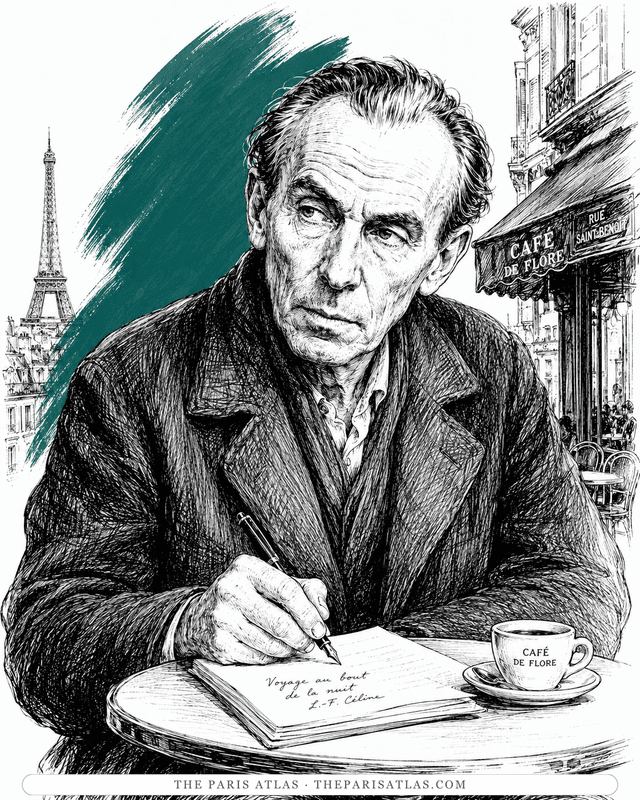
Louis-Ferdinand Céline
The doctor of the Paris slums who wrote the century's blackest, funniest novel — and changed the sound of French prose.
View author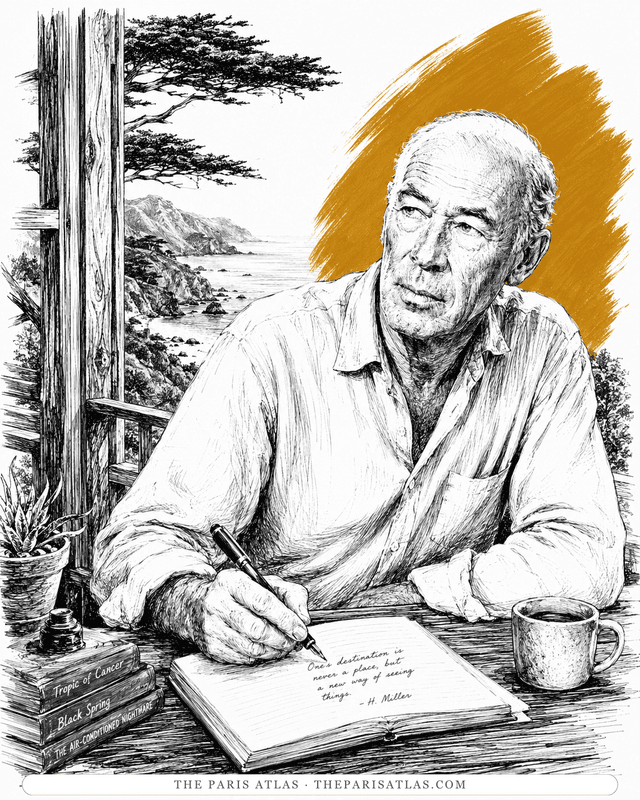
Henry Miller
The Brooklyn dropout who arrived in Paris broke at thirty-eight and wrote the exuberant, banned books that ended American censorship.
View author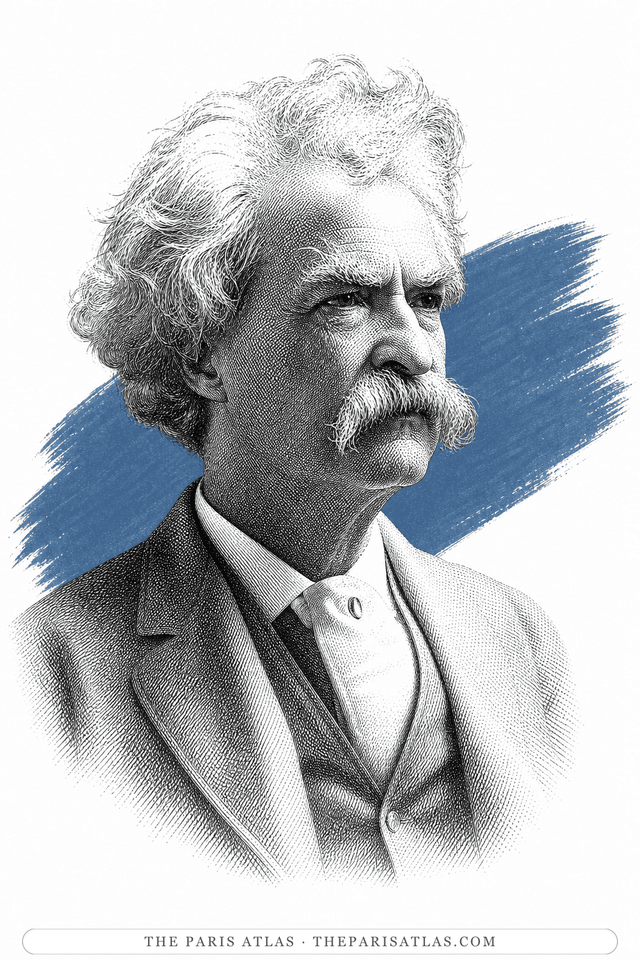
Mark Twain
The Missouri newspaperman who became America's most famous writer, and whose first book made its reputation partly out of Paris: in 1867 he arrived with a shipload of American tourists, renamed his guide Ferguson, watched the high-kicking can-can through his fingers and wrote it all down. He kept coming back — and was living in Paris in the mid-1890s, broke, while finishing the novel he considered his best, Personal Recollections of Joan of Arc.
View author