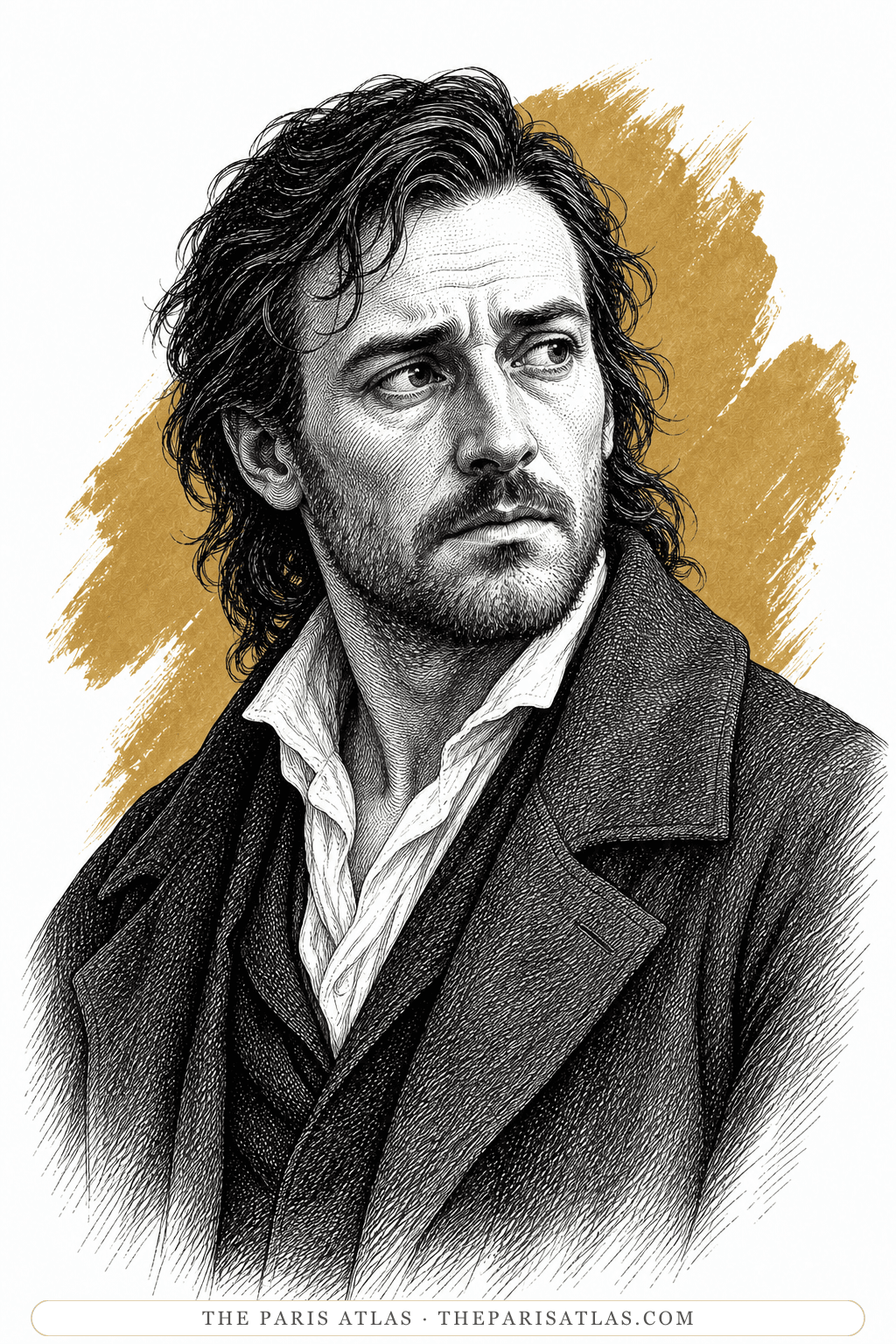
Lionel Verney
The narrator, a former Cumberland shepherd who becomes Adrian’s friend and Idris’s husband.
He wants companionship, the safety of his family and a way to preserve their lives in memory.
The book

Who they are in the book
Spoiler-freeLionel writes with fierce attachment to the people he has lost. His retrospective account can acknowledge damaging mistakes while still idealizing those he loves.
How Lionel Verney Is Portrayed
- Learning a different kind of powerIn Volume I, Chapter II, Lionel expects Adrian to humiliate him after a violent encounter with gamekeepers. Adrian instead offers friendship and access to his library. Lionel begins to associate influence with kindness and learning, although his devotion also makes him a strongly partial witness.
- Overriding Perdita’s decisionIn Volume II, Chapter III, Lionel conceals an opiate in the drink he gives Perdita and has her carried away from Raymond’s tomb. He believes the move will help her. Her subsequent death forces him to recognize that his certainty about her welfare did not justify taking away her choice.
- Trying to take Adrian’s placeIn Volume II, Chapter VI, Lionel is supposed to nominate Adrian for the dangerous work of deputy Protector. Instead, he proposes himself, fearing for his friend’s health. His protective impulse conflicts with Adrian’s experience and determination to serve.
- Recovering when others do notIn Volume III, Chapters II–III, Lionel falls ill after contact with a dying man and seems beyond recovery. Idris continues to nurse him, and he survives. The exceptional recovery supplies no general cure and cannot protect the people closest to him.
- Writing for an uncertain audienceIn Volume III, Chapter X, an abandoned writer’s dedication to posterity prompts Lionel to begin his own book. He addresses the dead while imagining that another surviving family might someday read him. Writing briefly restores his companions to memory, then makes their absence felt again.
- Preparing to search againIn the final chapter, Lionel takes a shepherd-and-water-dog mix as his companion and selects a boat, provisions and books. He admits that restless despair drives the proposed voyage. The preparation gives him daily tasks without supplying a promise of rescue.
If you like The Last Man


If you like Mary Shelley
Explore authors with a similar voice, perspective, and influence.
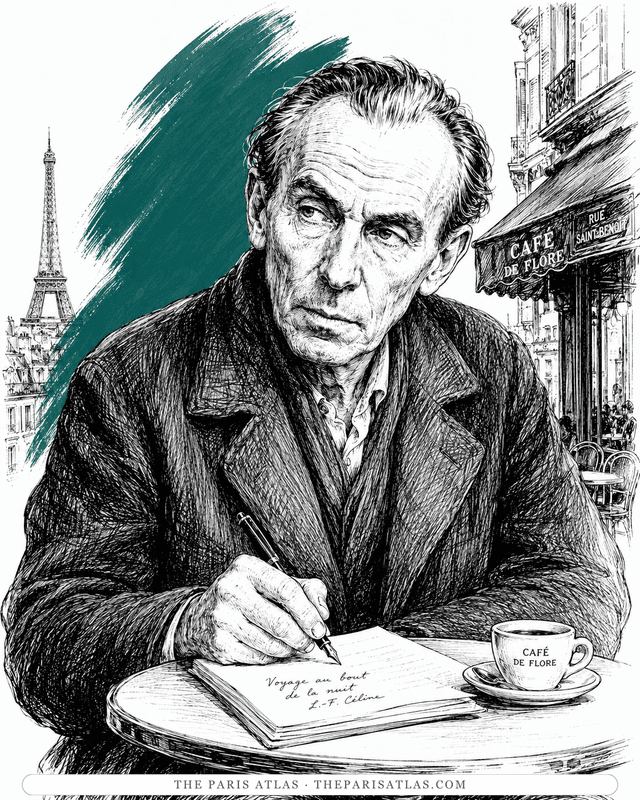
Louis-Ferdinand Céline
The doctor of the Paris slums who wrote the century's blackest, funniest novel — and changed the sound of French prose.
View author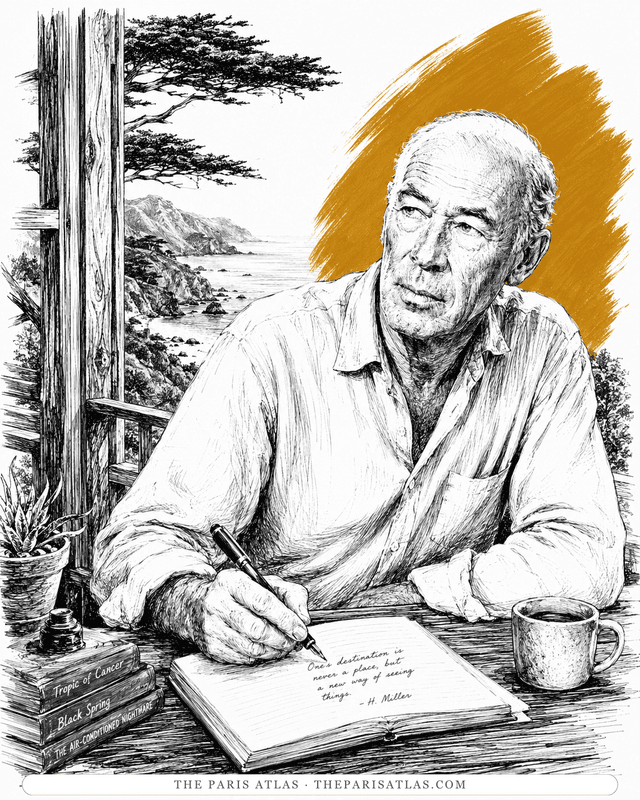
Henry Miller
The Brooklyn dropout who arrived in Paris broke at thirty-eight and wrote the exuberant, banned books that ended American censorship.
View author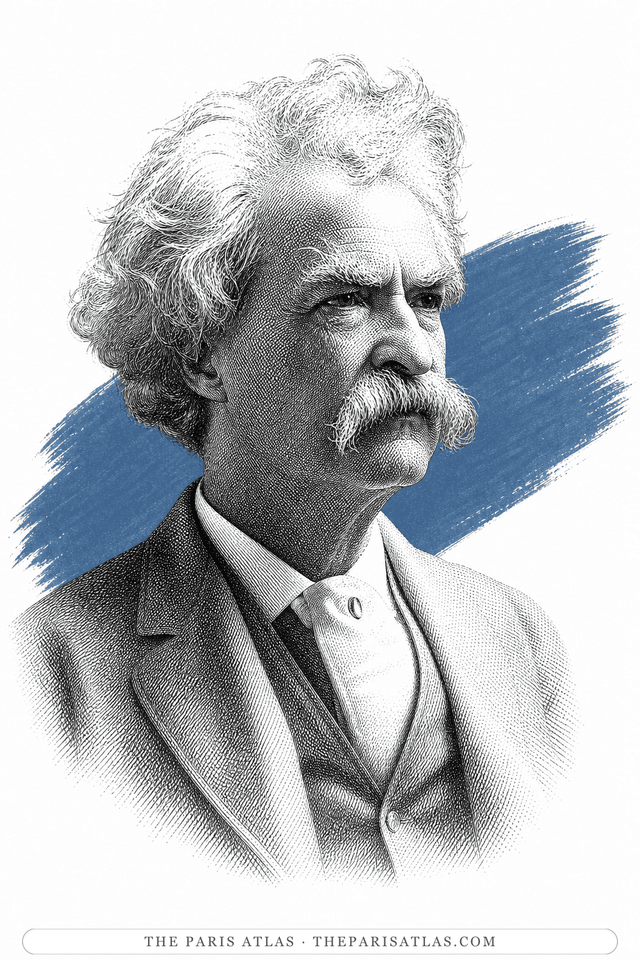
Mark Twain
The Missouri newspaperman who became America's most famous writer, and whose first book made its reputation partly out of Paris: in 1867 he arrived with a shipload of American tourists, renamed his guide Ferguson, watched the high-kicking can-can through his fingers and wrote it all down. He kept coming back — and was living in Paris in the mid-1890s, broke, while finishing the novel he considered his best, Personal Recollections of Joan of Arc.
View author