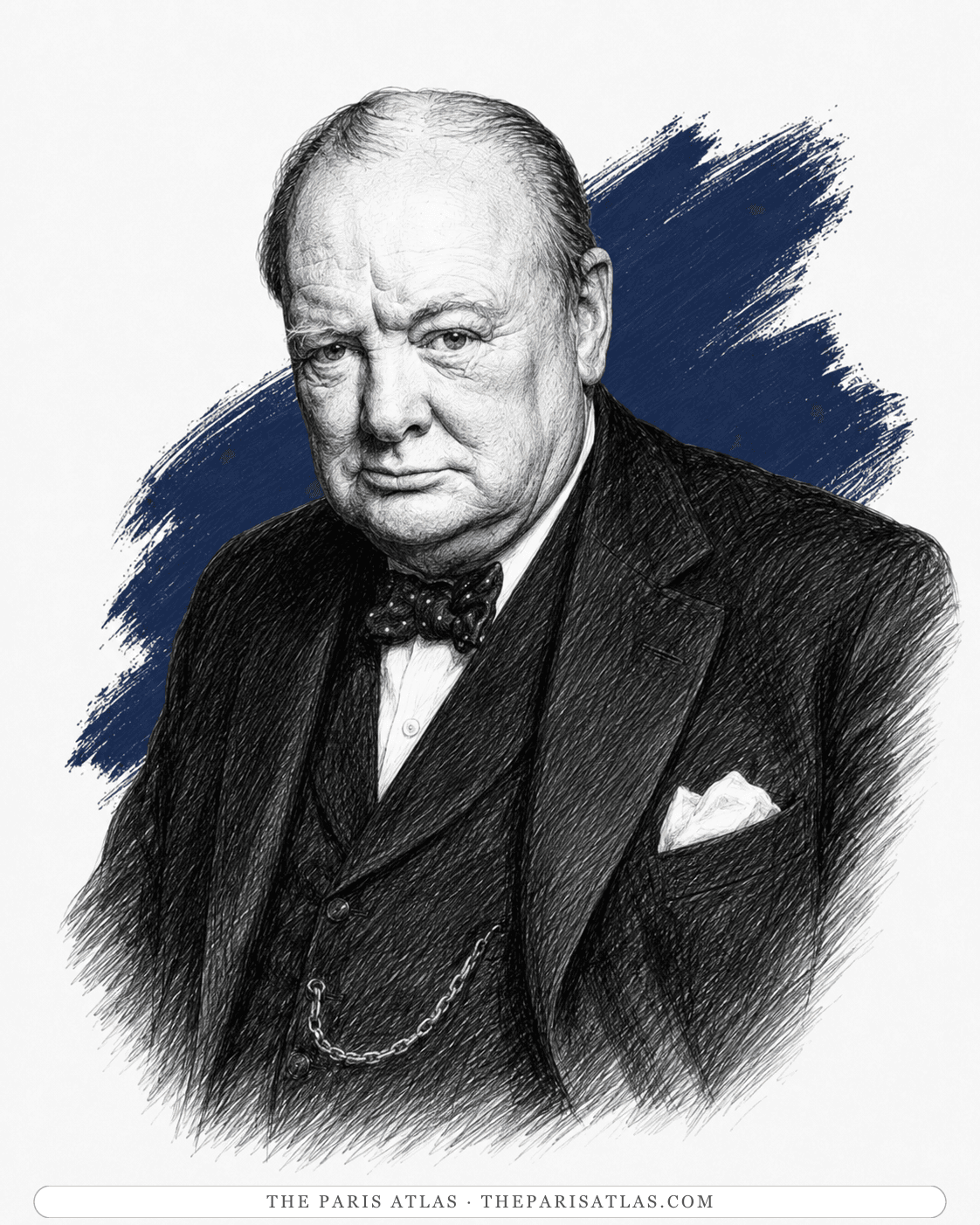
Winston Churchill
Prime Minister while the book was being written, and in George Orwell's account a leader the country chose because he matched its mood. Orwell credits him with grasping that wars are not won without fighting, and expects nothing beyond that from his government.
In Orwell's account, to win the war without disturbing the country's existing arrangements. The book calls his a government of compromise and describes him riding two horses at once.
The book

At a glance
- Prime Minister at the time of writing, named three times
- Grasping that wars are not won without fighting
- Grasping that only socialist nations can fight effectively
- A government of compromise, riding two horses
- Part One, section iii; Part Two, section ii; Part Three, section ii
Who they are in the book
Spoiler-freeWinston Churchill is named three times in the book, and George Orwell's view of him is settled by the first. Orwell writes that once opinion had turned against Neville Chamberlain, the people picked a leader nearer to their mood, Churchill, who was at any rate able to grasp that wars are not won without fighting. The compliment is real and it is also a ceiling: the next sentence looks past him to a later leader who might grasp that only socialist nations can fight effectively.
The other two mentions place his government rather than the man. Part Two credits it with calling some sort of halt to the run of wrong decisions the ruling class had made without a break since 1931. Part Three calls it a government of compromise, with Churchill riding two horses like a circus acrobat, and says it is quite hopeless to expect it to pledge itself to anything that would turn the war into a revolutionary war. Orwell's proposal, if the war settled into another stagnant winter, was to agitate for a General Election.
How Winston Churchill Is Portrayed
- The leader they picked"Thereupon the people picked a leader nearer to their mood, Churchill, who was at any rate able to grasp that wars are not won without fighting." Orwell presents the choice as public opinion correcting itself rather than as a change of party.
- The ceilingThe very next sentence looks past him: "Later, perhaps, they will pick another leader who can grasp that only Socialist nations can fight effectively."
- The haltOrwell writes that the ruling class had done the wrong thing with an unerring instinct ever since 1931, until the Churchill Government called some sort of halt to the process.
- Riding two horses"It is at best a government of compromise, with Churchill riding two horses like a circus acrobat." Orwell uses it to argue that a shift of power has to come before measures such as limitation of incomes are even thinkable.
If you like The Lion and the Unicorn


If you like George Orwell
Explore authors with a similar voice, perspective, and influence.

Henry Miller
The Brooklyn dropout who arrived in Paris broke at thirty-eight and wrote the exuberant, banned books that ended American censorship.
View author
Louis-Ferdinand Céline
The doctor of the Paris slums who wrote the century's blackest, funniest novel — and changed the sound of French prose.
View author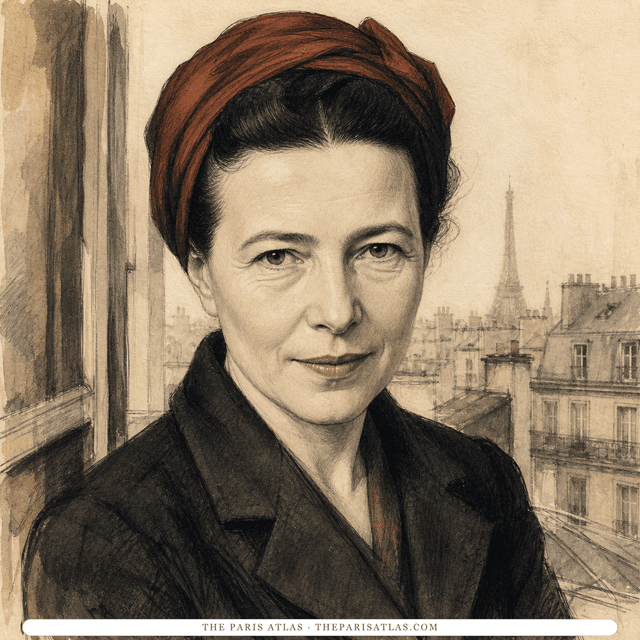
Simone de Beauvoir
French writer and philosopher whose novels, memoirs, and social analysis examined freedom, gender, responsibility, aging, and the material conditions that shape a life.
View author