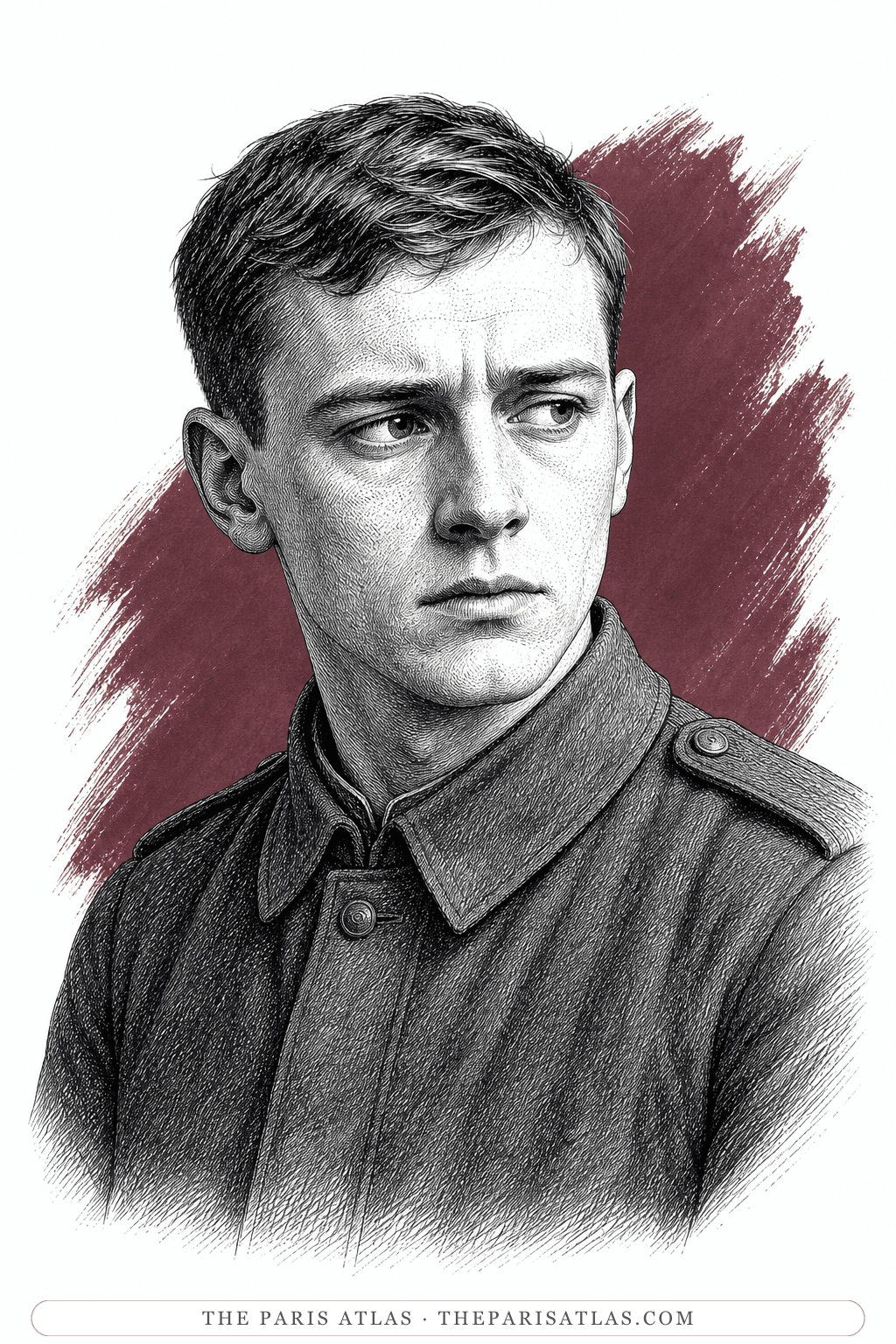
Albert Kropp
Paul's analytical schoolmate, whose intelligence cannot protect his body or future.
To understand the forces controlling their lives and preserve a future beyond them.
The book

At a glance
- About nineteen
- Paul's schoolmate
- Survives an amputation
Who they are in the book
Spoiler-freeAlbert is often the group's clearest reasoner and questions the logic by which nations send ordinary people to fight.
He and Paul are wounded together, turning a close friendship into shared experience of the hospital system.
How Albert Kropp Is Portrayed
- AnalyticalHe follows arguments past the slogans that usually stop them.
- SkepticalRank and ceremony do not impress him without competence.
- Close to PaulTheir shared class and service make him one of Paul's anchors.
- Hospital survivorHe confronts disability while still very young.
- Anger without illusionHe knows outrage does not change the institution around him.
- Interrupted futureHis amputation makes the cost of survival concrete.
Albert's leg is amputated after he and Paul are wounded. He survives, but the novel does not pretend that survival restores the future he expected.
If you like All Quiet on the Western Front


If you like Erich Maria Remarque
Explore authors with a similar voice, perspective, and influence.
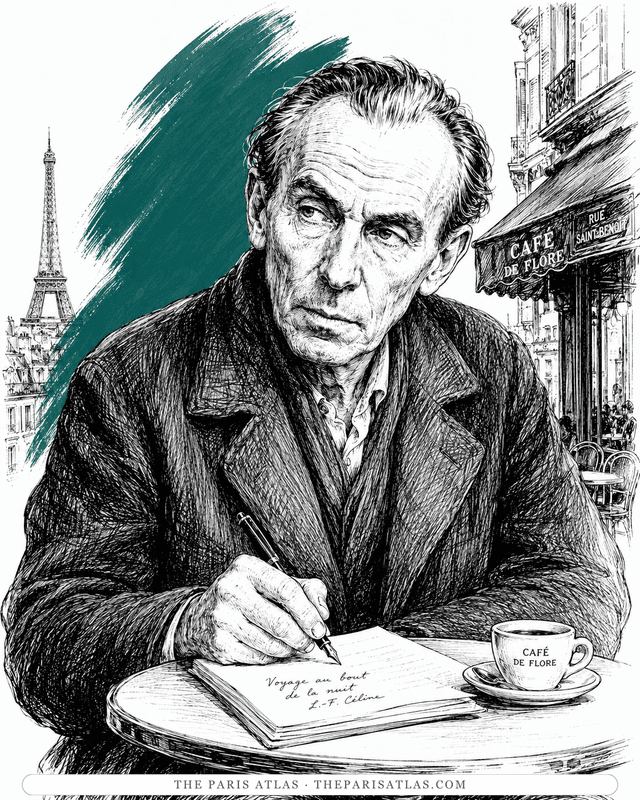
Louis-Ferdinand Céline
The doctor of the Paris slums who wrote the century's blackest, funniest novel — and changed the sound of French prose.
View author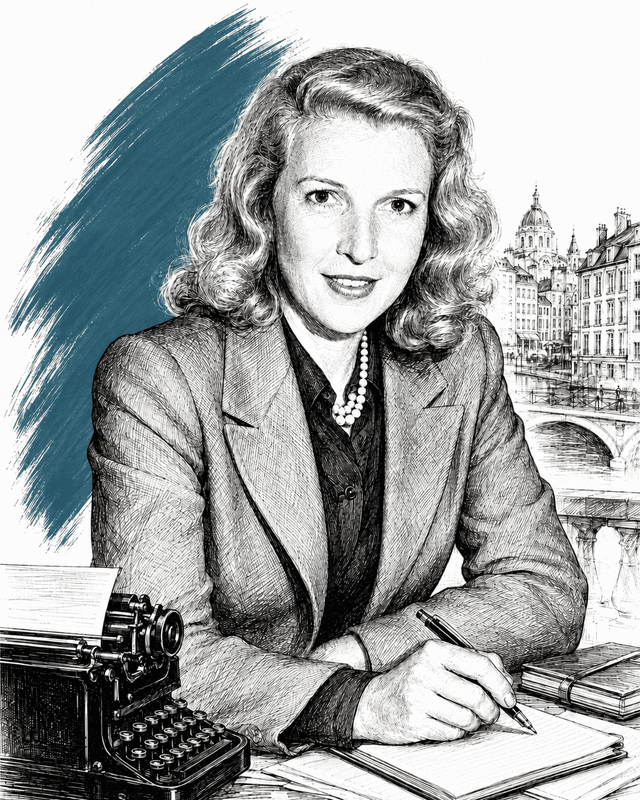
Martha Gellhorn
War correspondent who covered the Spanish Civil War, D-Day, and conflicts across five more decades; Hemingway's third wife, 1940–1945.
View author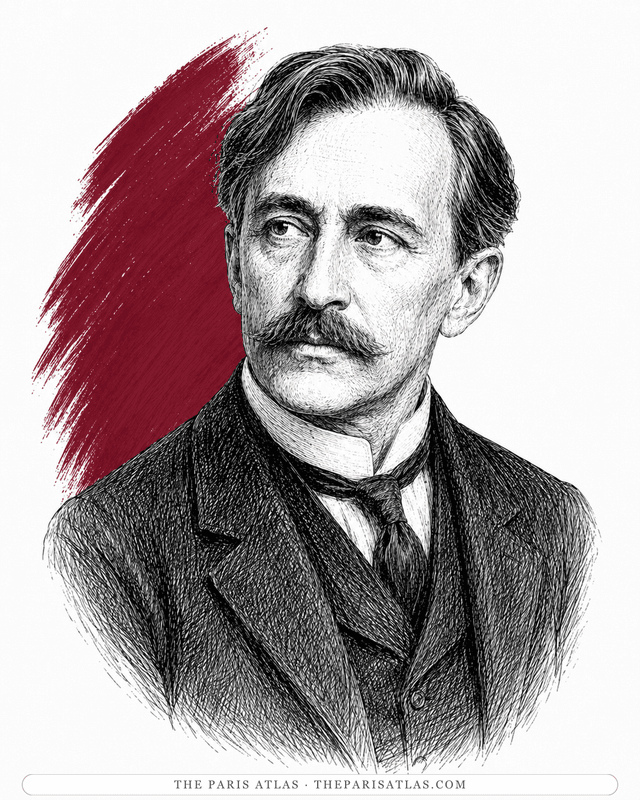
Henri Barbusse
The novelist of Le Feu — the Great War's first great trench book, written from the ranks at forty-one — and the standard both Céline and Hemingway measured war writing against.
View author