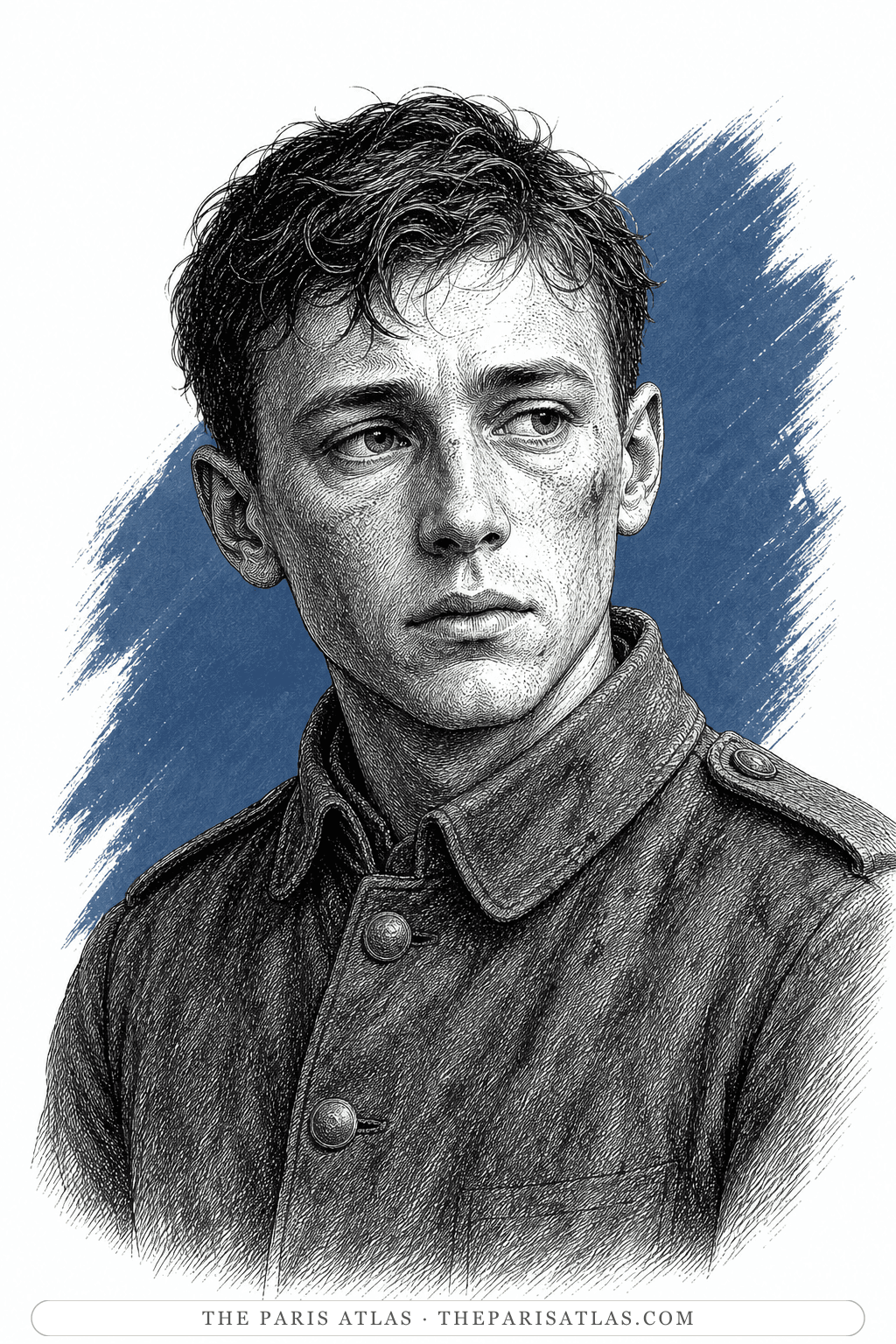
Paul Bäumer
The nineteen-year-old narrator whose education, friendships, and sense of the future are consumed by war.
To keep his friends alive and find some self that can exist after the war.
The book

At a glance
- Nineteen at enlistment
- German infantry
- Stanislaus Katczinsky
Who they are in the book
Spoiler-freePaul enters the army directly from school and learns to measure life through food, shelter, shell sounds, and the presence of friends.
He is observant enough to understand much of what the war is doing to him, but understanding does not give him a route back to his former life.
How Paul Bäumer Is Portrayed
- Young face, old attentionHe is nineteen, but the front has made his attention guarded and practical.
- Sensory narratorHe records sound, earth, hunger, wounds, and weather before abstract ideas.
- Loyal friendHis strongest actions are acts of care for the men beside him.
- Estranged sonHe loves his family but cannot explain himself at home.
- Moral witnessDuval's death makes enemy humanity impossible to ignore.
- Voice under pressureHis calm account repeatedly approaches feelings he cannot fully name.
After Kat dies, Paul is the last of his school group alive. He dies in October 1918 on an otherwise quiet day, and the narration continues without his voice.
If you like All Quiet on the Western Front


If you like Erich Maria Remarque
Explore authors with a similar voice, perspective, and influence.
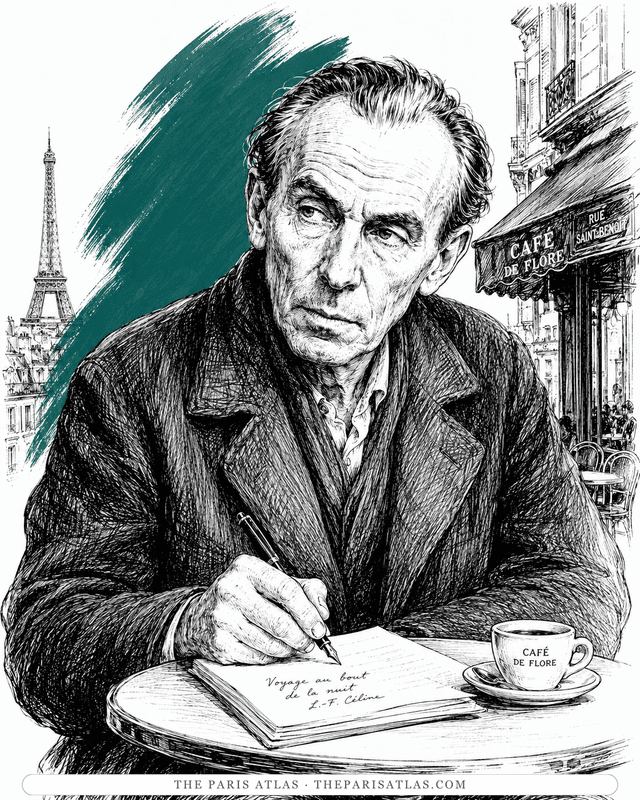
Louis-Ferdinand Céline
The doctor of the Paris slums who wrote the century's blackest, funniest novel — and changed the sound of French prose.
View author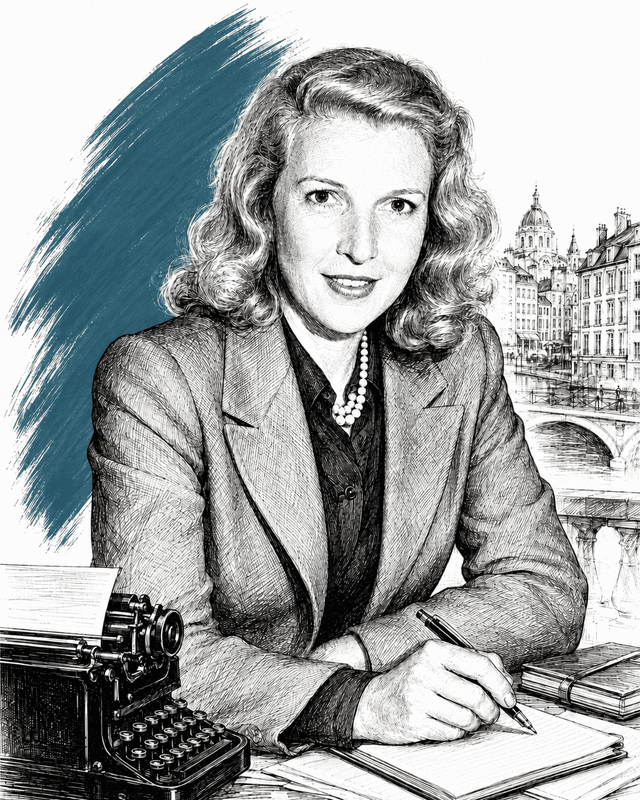
Martha Gellhorn
War correspondent who covered the Spanish Civil War, D-Day, and conflicts across five more decades; Hemingway's third wife, 1940–1945.
View author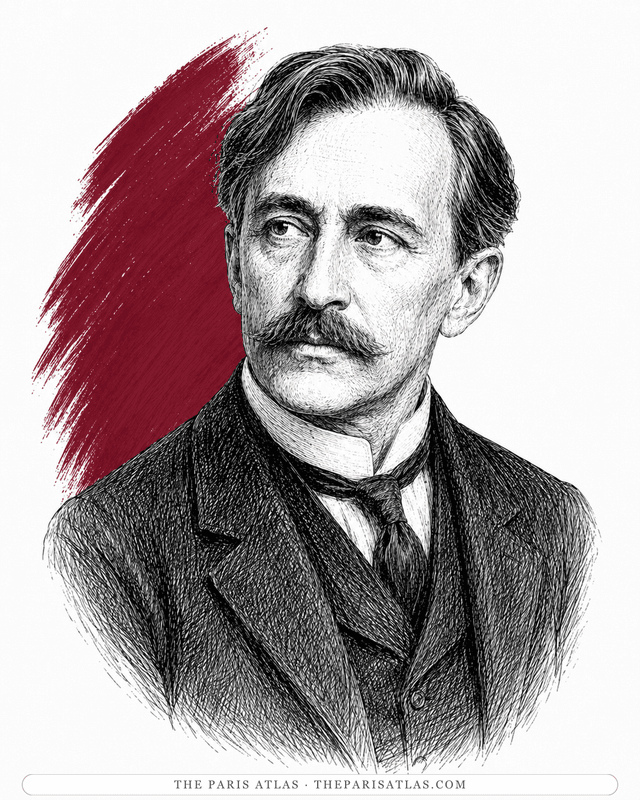
Henri Barbusse
The novelist of Le Feu — the Great War's first great trench book, written from the ranks at forty-one — and the standard both Céline and Hemingway measured war writing against.
View author