
Müller
A practical classmate who studies old textbooks and understands that the living must use what remains.
To survive by thinking practically while keeping hold of a possible civilian future.
The book

At a glance
- About nineteen
- Paul's schoolmate
- Kemmerich's boots
Who they are in the book
Spoiler-freeMüller asks for Kemmerich's boots while Kemmerich is dying. The request is harsh, but it comes from a world where someone will inevitably take useful equipment.
He keeps studying, as if examinations and civilian order might still exist somewhere beyond the front.
How Müller Is Portrayed
- UnsentimentalHe says directly what other people avoid.
- PracticalUseful boots matter because poor equipment kills.
- Still a studentHe carries schoolbooks into a world that has made them nearly absurd.
- Group memberHis bluntness exists inside loyalty, not outside it.
- Material realistHe measures what can actually help the living.
- Part of the boots' chainHis fate continues the book's recurring object history.
Müller inherits Kemmerich's boots and is later killed. Before dying, he passes them to Paul.
If you like All Quiet on the Western Front


If you like Erich Maria Remarque
Explore authors with a similar voice, perspective, and influence.

Louis-Ferdinand Céline
The doctor of the Paris slums who wrote the century's blackest, funniest novel — and changed the sound of French prose.
View author
Martha Gellhorn
War correspondent who covered the Spanish Civil War, D-Day, and conflicts across five more decades; Hemingway's third wife, 1940–1945.
View author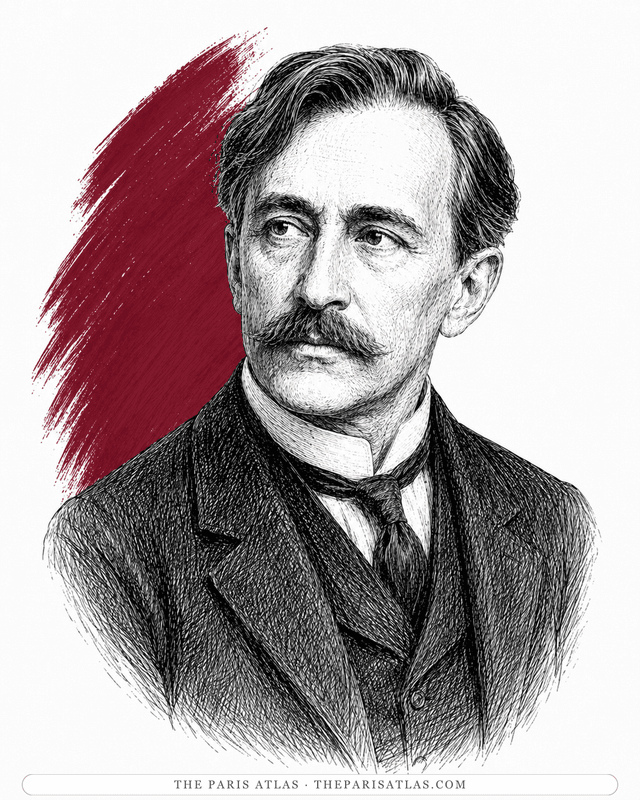
Henri Barbusse
The novelist of Le Feu — the Great War's first great trench book, written from the ranks at forty-one — and the standard both Céline and Hemingway measured war writing against.
View author