Dr Edward Armstrong
The Harley Street specialist with the nervous hands, who once operated drunk and has been sober and successful ever since.
To be told what to do by someone who seems to know.
The book
And Then There Were None
Agatha Christie
At a glance
- Doctor, summoned to treat a patient who does not exist
- The death of Louisa Mary Clees under his knife
- Chapters 1 to 13
Who they are in the book
Spoiler-freeArmstrong drove down from London expecting to attend an anxious rich woman and found no patient. He is successful now, careful and abstemious, and the record reminds him of the years when he was not. He is the island's only doctor, so every death passes through his hands, and the reader trusts his verdicts because there is nobody else to give them.
He is a frightened man, and the book shows it. He sleeps badly, sees things at the window, and is easily led by anyone who speaks with authority. What he wants is to be safe, and he will take advice from whoever offers it.
How Dr Edward Armstrong Is Portrayed
- The pastA woman called Louisa Clees died on his table while he was drunk; he has not touched a drink since.
- The verdictsHe pronounces each death, and the others take his word.
- The drugsHis medical case holds the sedative that killed Ethel Rogers, and the survivors lock it away.
- The nervesSleepless, jumpy, seeing a figure outside in the night.
- The deferenceHe listens to Wargrave as a junior listens to a senior, and the narration notes it.
- The absenceHe is missing from the house on the night after the judge's death, and the others assume the worst.
Wargrave persuaded Armstrong to help him fake his own death, on the story that a supposedly dead judge could catch the killer off guard. Armstrong pronounced the living judge dead. That night Wargrave took him to the cliff and pushed him into the sea. He was the seventh, the red herring of the rhyme, and his body was found later in the rocks.
If you like And Then There Were None


If you like Agatha Christie
Explore authors with a similar voice, perspective, and influence.
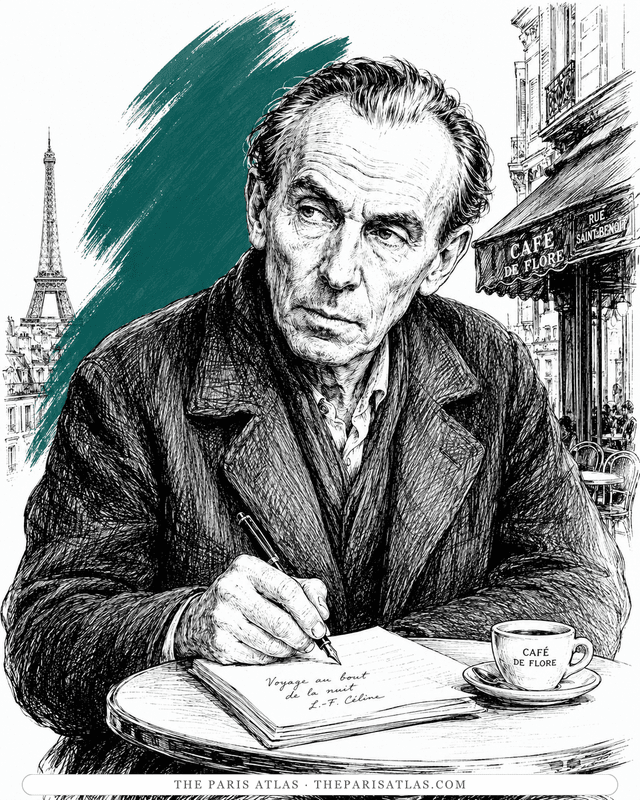
Louis-Ferdinand Céline
The doctor of the Paris slums who wrote the century's blackest, funniest novel — and changed the sound of French prose.
View author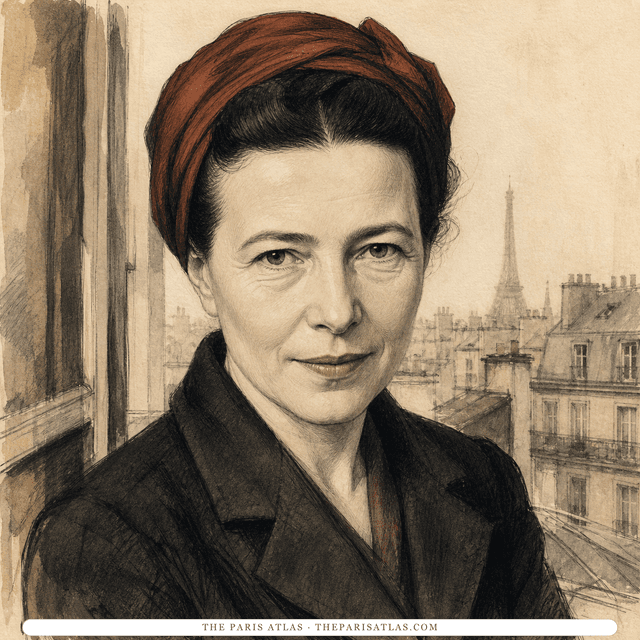
Simone de Beauvoir
French writer and philosopher whose novels, memoirs, and social analysis examined freedom, gender, responsibility, aging, and the material conditions that shape a life.
View author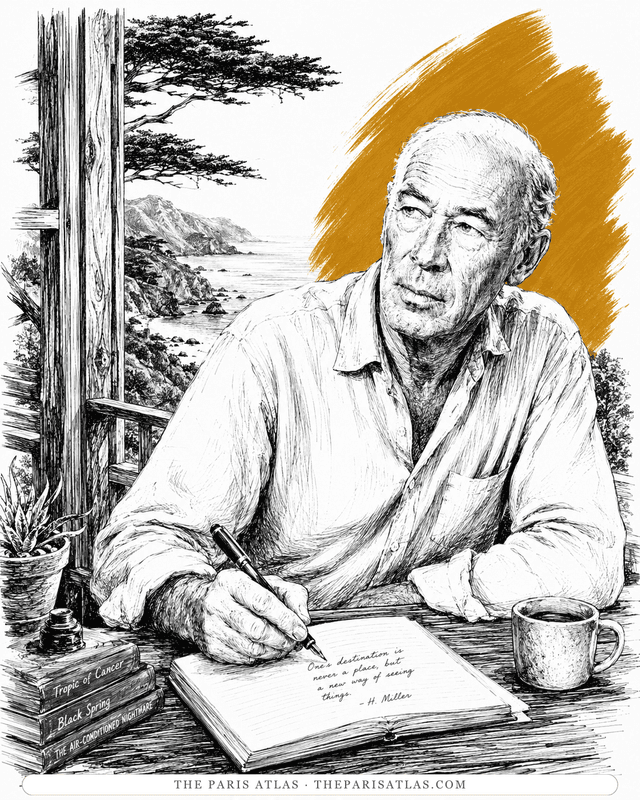
Henry Miller
The Brooklyn dropout who arrived in Paris broke at thirty-eight and wrote the exuberant, banned books that ended American censorship.
View author