Philip Lombard
The soldier of fortune with a revolver in his luggage and twenty-one dead men behind him, paid a hundred guineas to come.
To come through it, as he has come through everything, and to find out who is paying.
The book
And Then There Were None
Agatha Christie
At a glance
- Ex-soldier, hired for a hundred guineas
- The deaths of twenty-one men of an East African tribe
- Throughout
Who they are in the book
Spoiler-freeLombard has been where things are dangerous and says so. He was hired through a solicitor for a hundred guineas and told nothing, and he has brought a revolver, which he mentions to nobody until the killing starts. The record charges him with leaving twenty-one men of an East African tribe to die, and he is the only guest who says yes, he did, and it was a matter of survival.
He is the book's man of action, and its most honest voice. He reasons well, trusts his instincts, and is wrong about the one thing that matters. His half-formed alliance with Vera is the closest the novel comes to warmth.
How Philip Lombard Is Portrayed
- The revolverIn his luggage from the start; he admits to it only when the deaths begin, and it is stolen from his room.
- The admissionThe only guest who answers the record with a plain yes.
- The walkLight and quiet, like a big cat, the narration says; Vera notices it on the first evening.
- The feeA hundred guineas from a solicitor called Isaac Morris, and no explanation.
- The reasoningHe works the problem aloud with Blore and Armstrong, and is the first to suspect Wargrave.
- The grinWolfish, the book says; he smiles when things get worse.
Lombard suspected Wargrave from early on and could not prove it. On the beach, with Blore dead and Armstrong's body in the rocks, Vera takes the revolver from his pocket and shoots him. He was the ninth to die.
If you like And Then There Were None


If you like Agatha Christie
Explore authors with a similar voice, perspective, and influence.
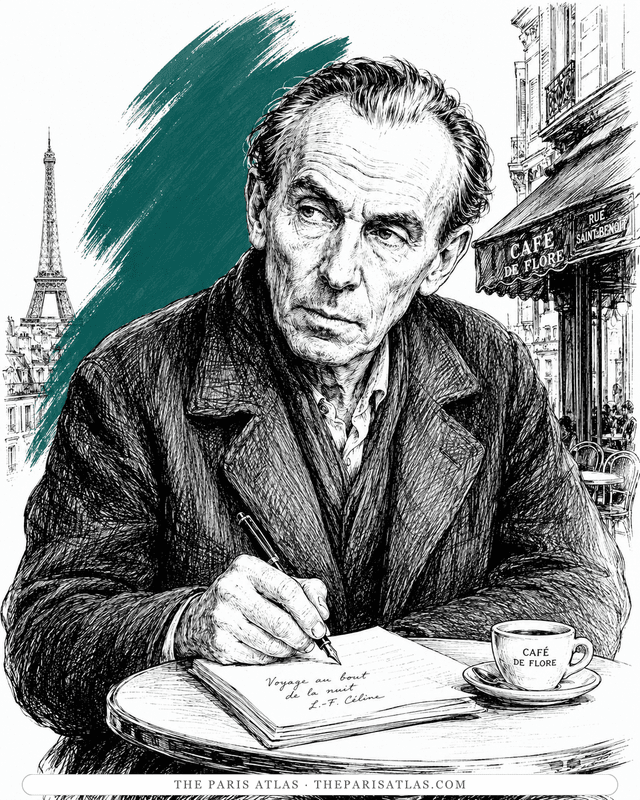
Louis-Ferdinand Céline
The doctor of the Paris slums who wrote the century's blackest, funniest novel — and changed the sound of French prose.
View author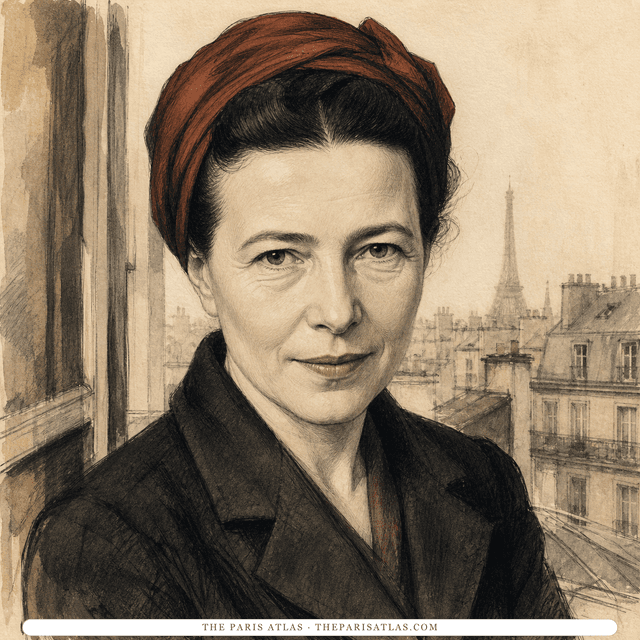
Simone de Beauvoir
French writer and philosopher whose novels, memoirs, and social analysis examined freedom, gender, responsibility, aging, and the material conditions that shape a life.
View author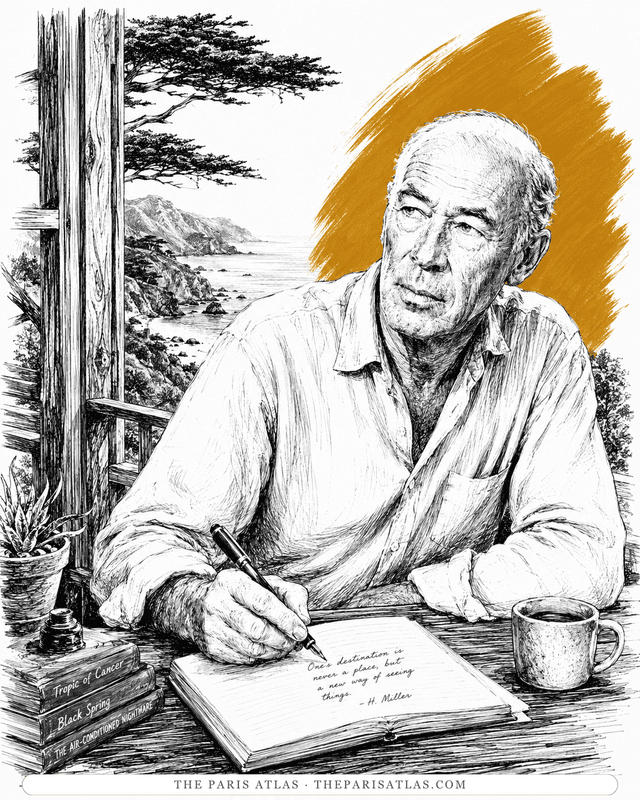
Henry Miller
The Brooklyn dropout who arrived in Paris broke at thirty-eight and wrote the exuberant, banned books that ended American censorship.
View author