William Blore
The former police inspector travelling as a South African called Davis, whose cover lasts one dinner.
To do the job he was hired for, and then to get off the island in one piece.
The book
And Then There Were None
Agatha Christie
At a glance
- Former police inspector, now a private enquiry agent, travelling as Davis
- Perjury that sent James Landor to prison, where he died
- Throughout to Chapter 15
Who they are in the book
Spoiler-freeBlore arrives with a false name and a bad accent, hired to watch the other guests, and the record names him before the soup is cleared. He was a detective inspector, and he was paid, the voice says, to send an innocent man to prison, where the man died. He denies it once and then stops denying it.
He is the island's professional, and his professionalism is ordinary: he searches rooms, counts alibis, and suspects whoever seems oddest. He is stolid, brave in a plain way, and the book gives him a plain death.
How William Blore Is Portrayed
- The aliasMr Davis of Natal, an identity that Lombard sees through on the boat.
- The recordCharged with perjury that sent James Landor to prison, where he died a year later.
- The methodSearches, timetables, suspicion of the odd one out; a policeman's reasoning with no evidence to work on.
- The buildHeavy, square, and slow to move; the narration keeps him physical.
- The lieHe is the last to admit what the record said of him, and admits it flatly when he does.
- The lunchHe goes back to the house alone for food, against Lombard's advice.
Blore is killed by a marble clock in the shape of a bear, dropped on him from Vera's window as he passes beneath it on his way to the house. Wargrave, alive and hidden inside, dropped it. He was the eighth.
If you like And Then There Were None


If you like Agatha Christie
Explore authors with a similar voice, perspective, and influence.
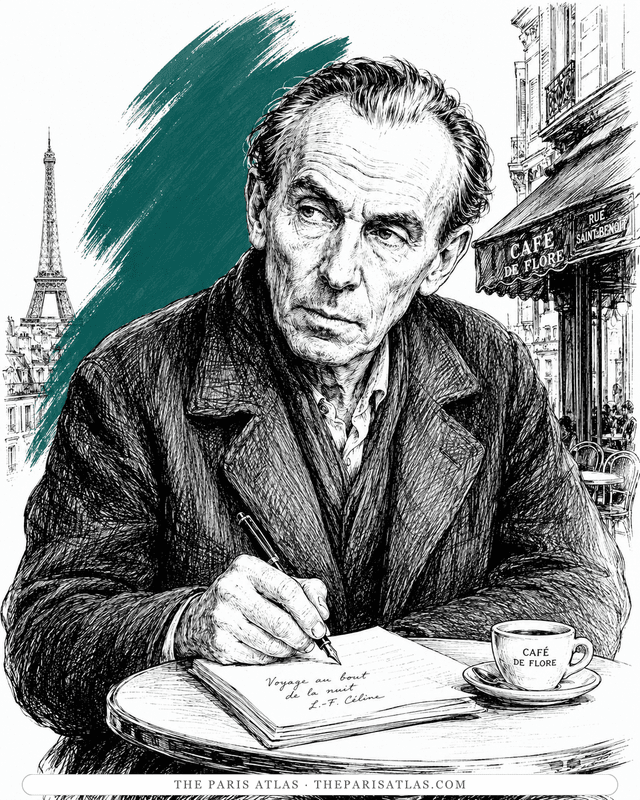
Louis-Ferdinand Céline
The doctor of the Paris slums who wrote the century's blackest, funniest novel — and changed the sound of French prose.
View author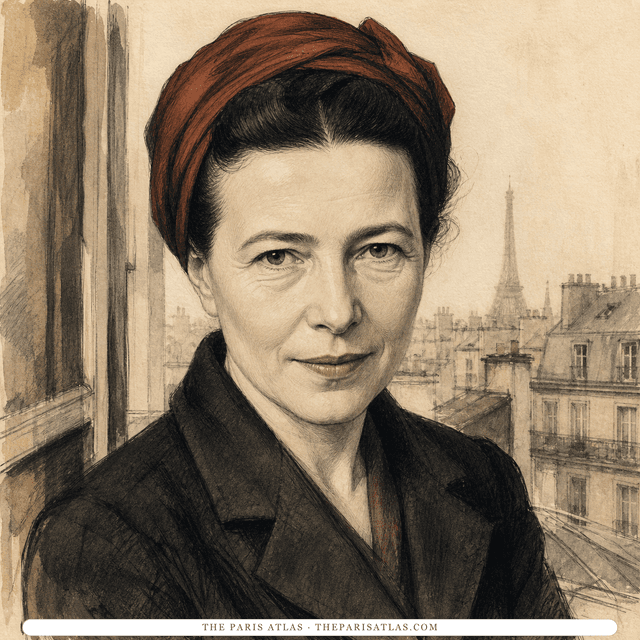
Simone de Beauvoir
French writer and philosopher whose novels, memoirs, and social analysis examined freedom, gender, responsibility, aging, and the material conditions that shape a life.
View author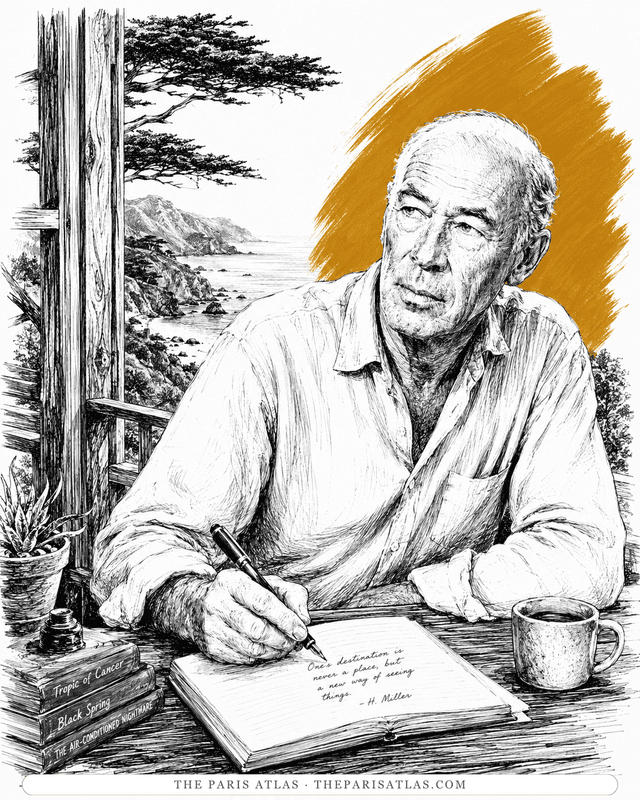
Henry Miller
The Brooklyn dropout who arrived in Paris broke at thirty-eight and wrote the exuberant, banned books that ended American censorship.
View author