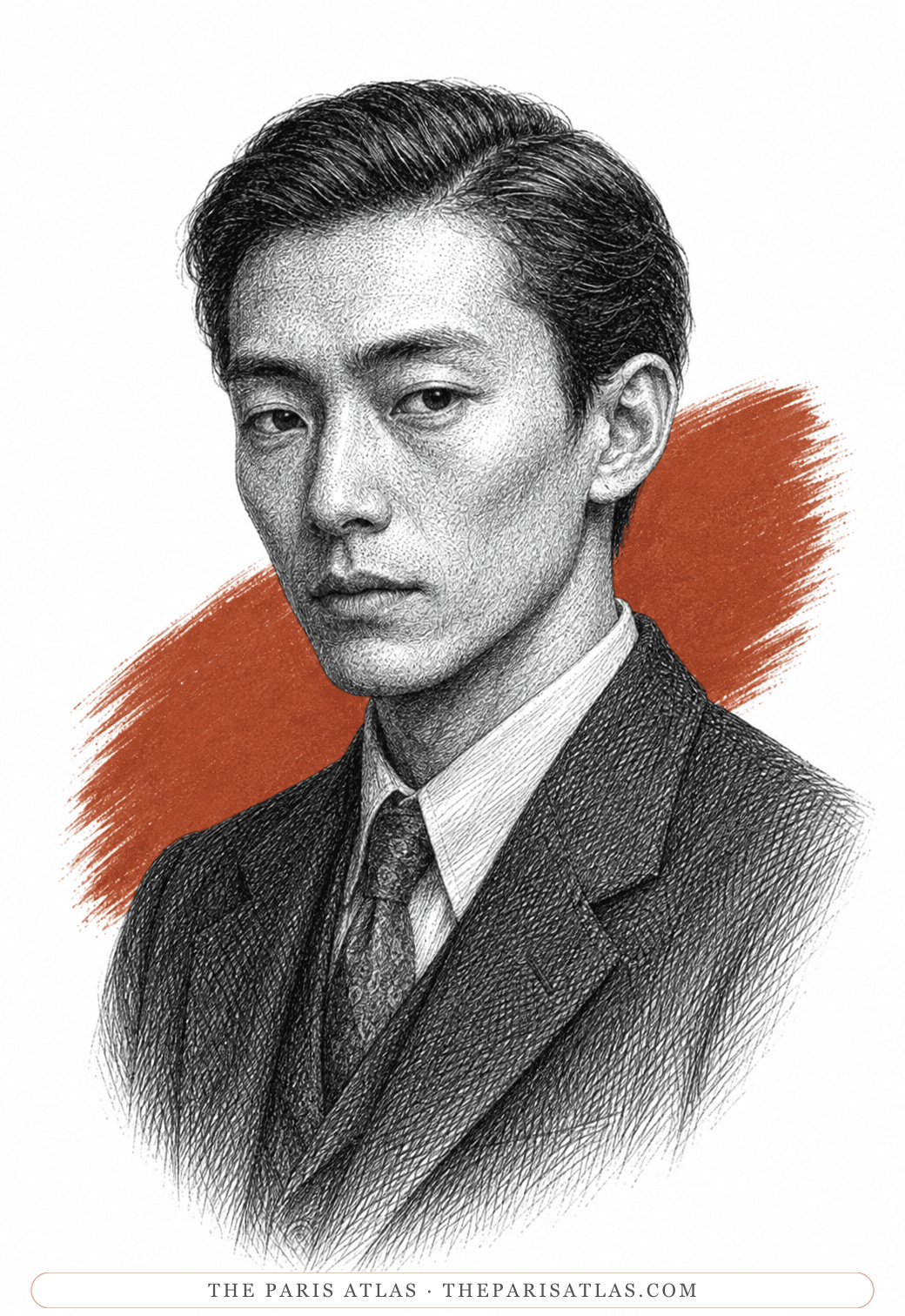
Kochan
The self-observing narrator who builds a socially acceptable identity around desires he believes must remain hidden.
The book

Who they are in the book
Spoiler-freeKochan is a frail, imaginative Japanese boy who grows into a young man during wartime and postwar Japan. His attraction to male beauty, strength, injury, and death develops alongside an increasingly elaborate performance of conventional masculinity.
He wants to understand his desires while satisfying social expectations and avoiding exposure. The novel records his attempts to build, test, and interpret the mask that protects and deceives him.
How Kochan Is Portrayed
- Narrative roleHe tells the story in an intense first-person confession.
- AppearanceHe presents himself as thin, pale, refined, and physically delicate.
- TemperamentHis introspective attention turns memories into evidence in a private investigation.
- Public mannerFormal self-control helps him perform the expected social role.
- Private imaginationMale beauty repeatedly becomes entangled with danger and injury.
- Central conflictAffection, social aspiration, and erotic desire do not align for him.
He ends the novel without resolving the divide between his public role and attraction to men. His fixation on a young man in the final scene confirms that the desires beneath the mask remain unchanged.
If you like Confessions of a Mask


If you like Yukio Mishima
Explore authors with a similar voice, perspective, and influence.
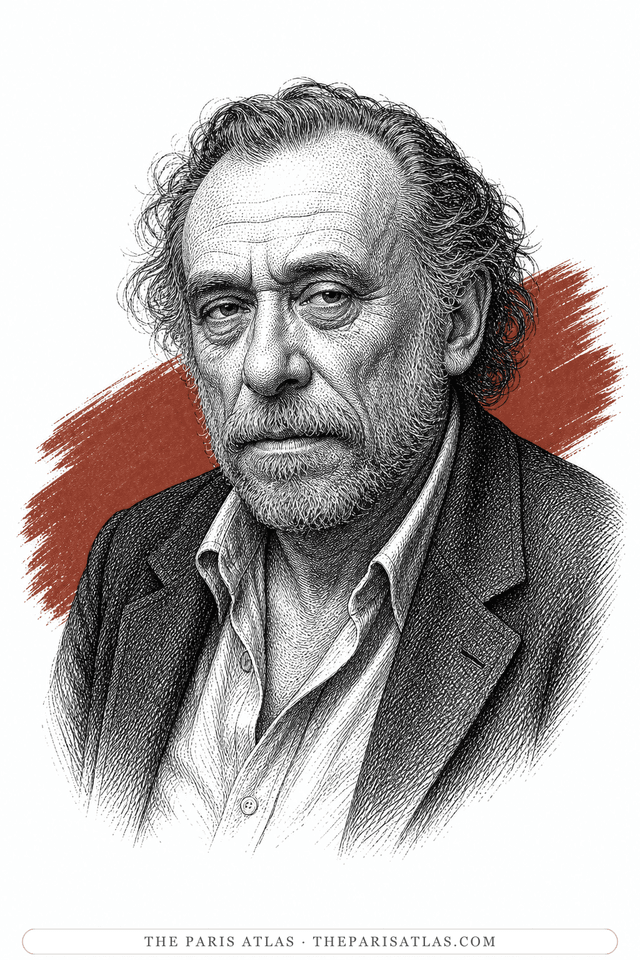
Charles Bukowski
American poet and novelist of Los Angeles rooming houses, racetracks and the post office, who quit his job to write when a publisher offered him a hundred dollars a month. He came to Paris once, in September 1978, drank his way through a live television book programme and walked off the set — and French television has been replaying it ever since.
View author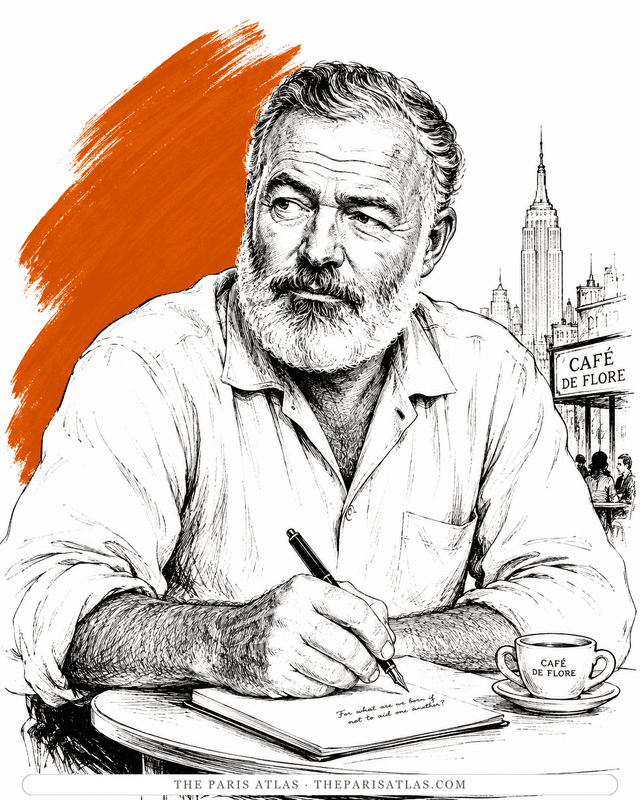
Ernest Hemingway
Author of The Sun Also Rises and A Moveable Feast; his pared-down style, developed in 1920s Paris, became the most imitated in American prose.
View author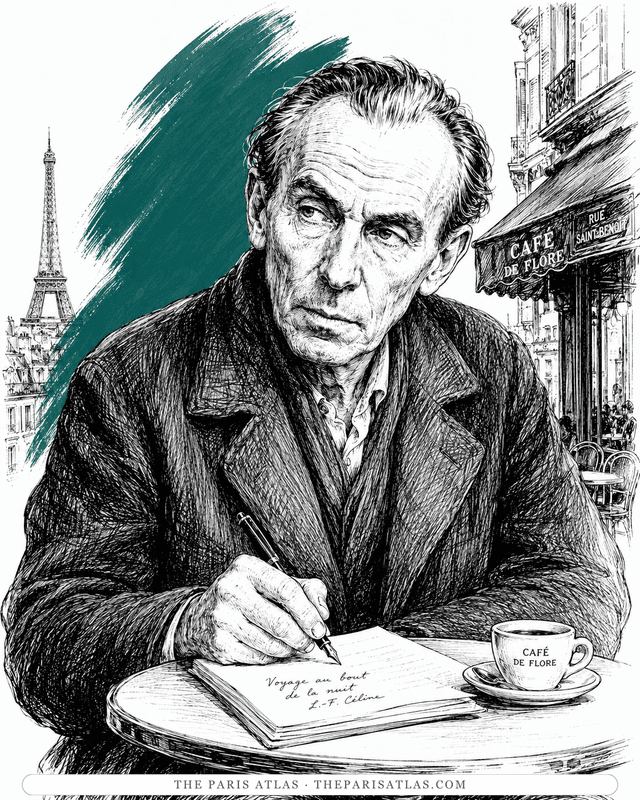
Louis-Ferdinand Céline
The doctor of the Paris slums who wrote the century's blackest, funniest novel — and changed the sound of French prose.
View author