Kochan's father
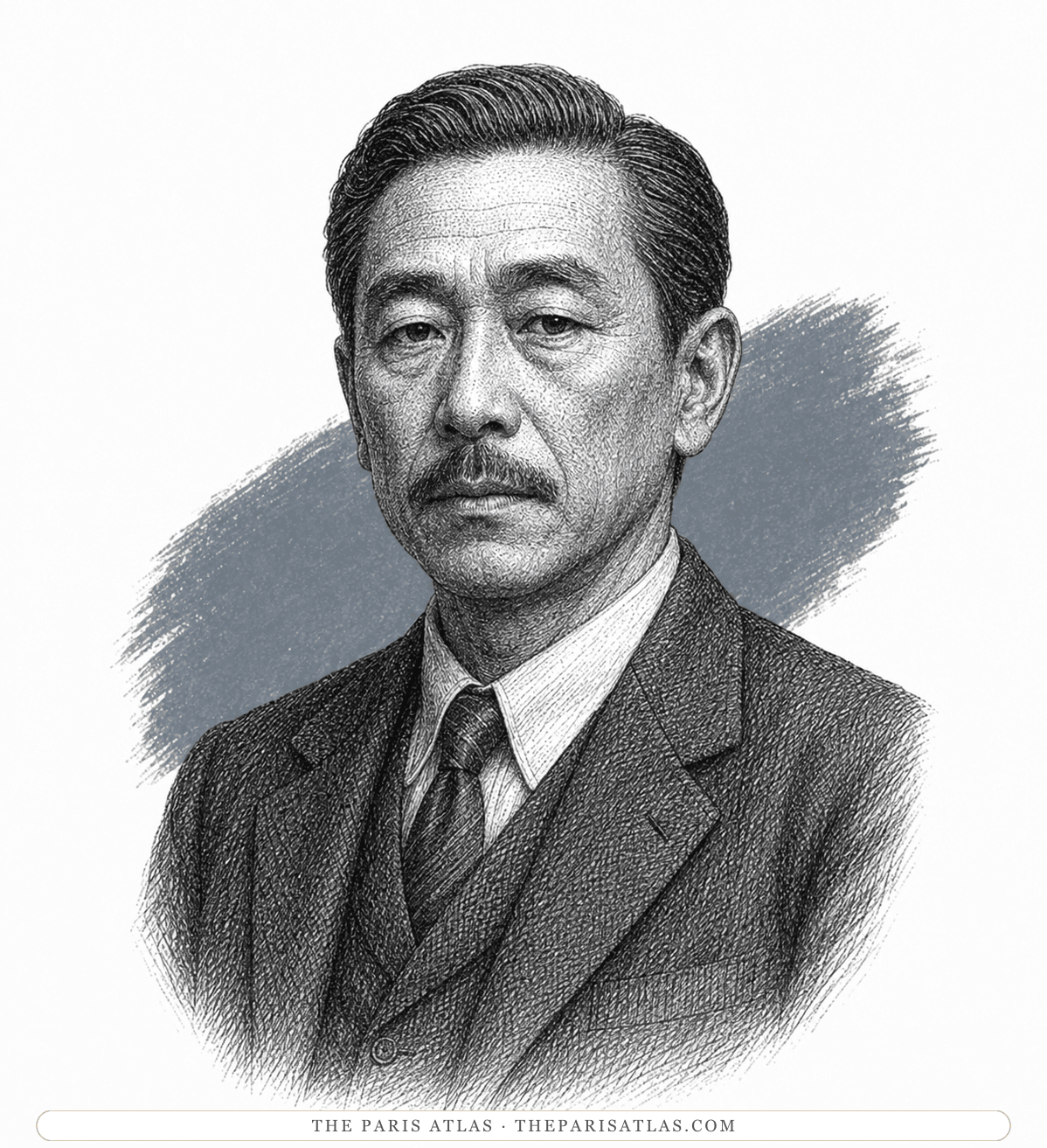
A reserved father who represents the conventional family and adult structures Kochan is expected to enter.
The book

Who they are in the book
Spoiler-freeKochan's father contributes to a household in which conventional masculinity and heterosexual adulthood are treated as the expected future.
He remains emotionally formal and is less central than the grandmother in Kochan's account of childhood.
How Kochan's father Is Portrayed
- AgeHe is a middle-aged Japanese man.
- DressA conservative suit or wartime civilian clothing signals respectability.
- PostureAn upright, reserved bearing suggests formal authority.
- RoleHe represents ordinary family expectations rather than an independent plot.
No separate dramatic fate is central to the novel.
If you like Confessions of a Mask


If you like Yukio Mishima
Explore authors with a similar voice, perspective, and influence.
Charles Bukowski
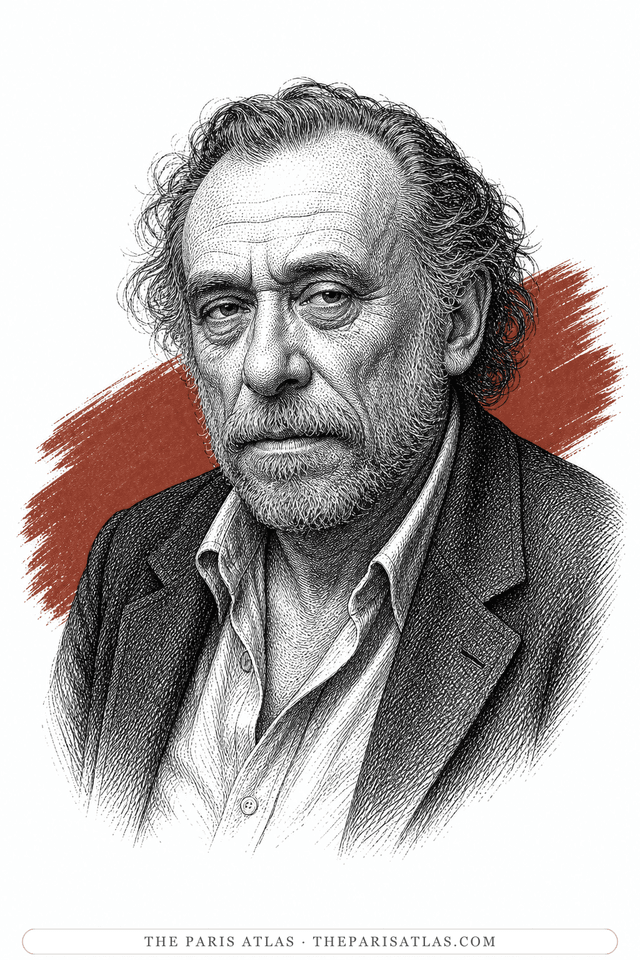
American poet and novelist of Los Angeles rooming houses, racetracks and the post office, who quit his job to write when a publisher offered him a hundred dollars a month. He came to Paris once, in September 1978, drank his way through a live television book programme and walked off the set — and French television has been replaying it ever since.
View author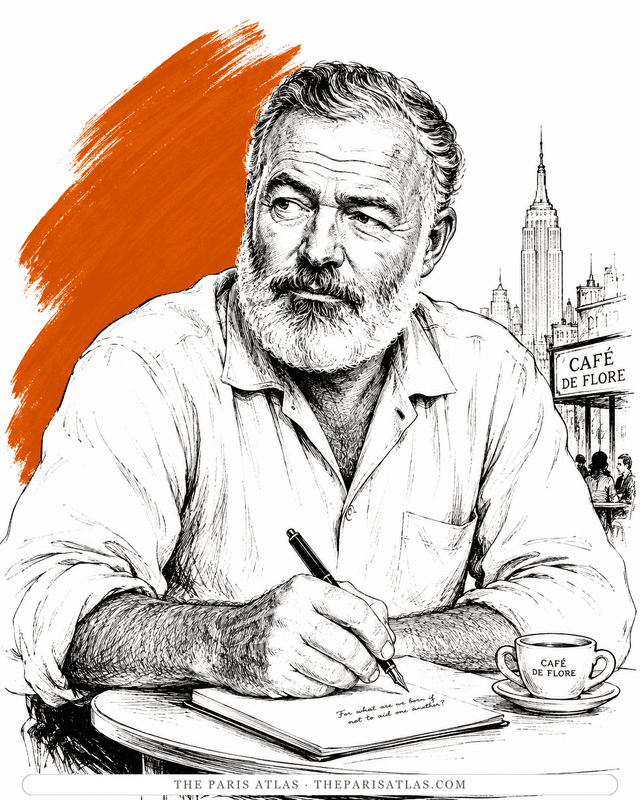
Ernest Hemingway
Author of The Sun Also Rises and A Moveable Feast; his pared-down style, developed in 1920s Paris, became the most imitated in American prose.
View author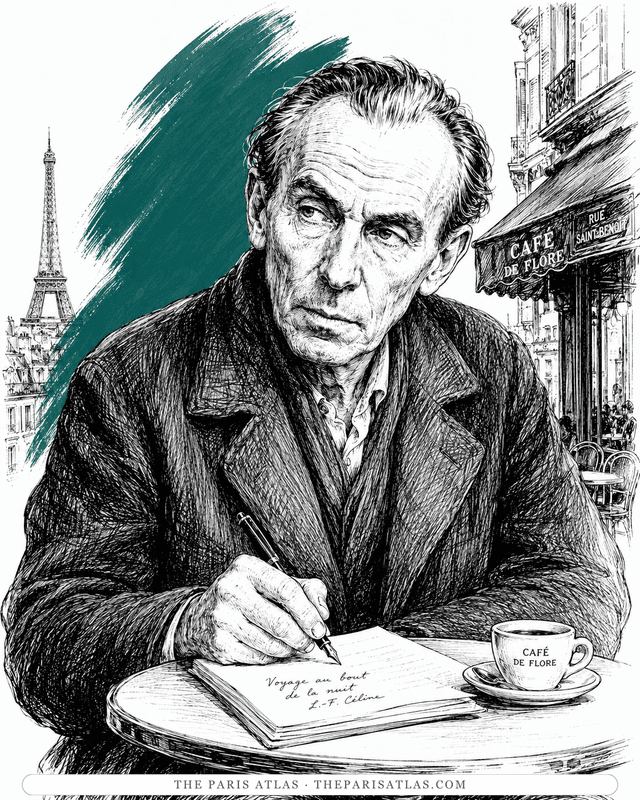
Louis-Ferdinand Céline
The doctor of the Paris slums who wrote the century's blackest, funniest novel — and changed the sound of French prose.
View author