Sonoko
The young woman Kochan courts, whose genuine affection becomes his strongest test of a conventional future.
The book

Who they are in the book
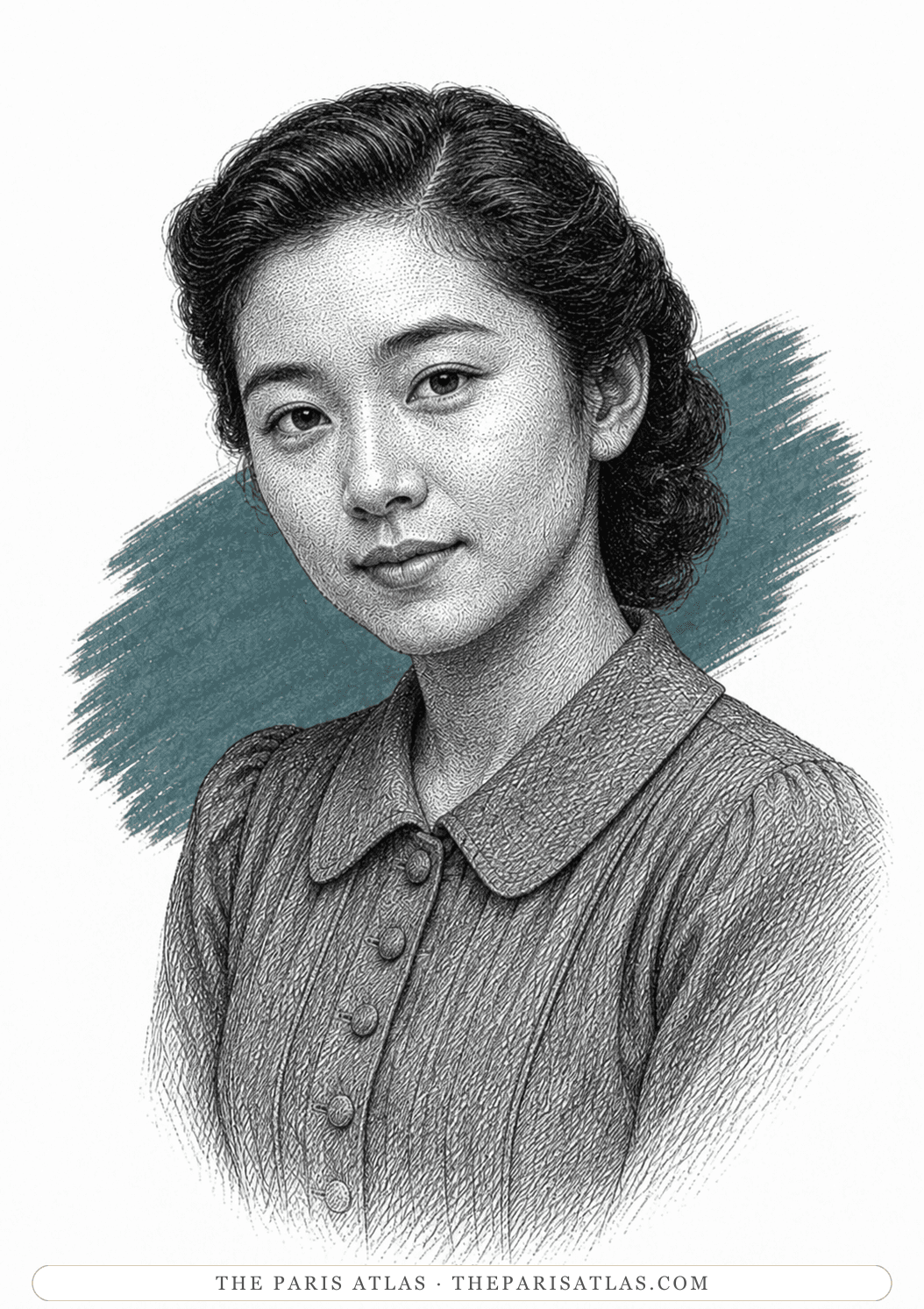
Spoiler-freeSonoko is Kusano's sister and the young woman Kochan nearly marries. Her gentleness and affection matter to him, but they cannot create the sexual desire he is trying to prove.
She represents a recognizable future of courtship, marriage, and social acceptance while remaining a person whose feelings are affected by Kochan's experiment.
How Sonoko Is Portrayed
- PeriodHer neat 1940s dress places her within wartime and postwar Japan.
- MannerA soft, open expression contrasts with Kochan's guarded intensity.
- RelationshipHer attachment to Kochan is emotionally sincere.
- Social meaningMarriage to her would confirm the identity Kochan hopes to perform.
- Dramatic functionShe tests whether tenderness can substitute for erotic desire.
- Emotional weightThe ending preserves her importance even as it reveals the limit of the relationship.
Kochan retreats when marriage becomes realistic. Sonoko marries another man, and their postwar meetings cannot resolve his underlying conflict.
If you like Confessions of a Mask


If you like Yukio Mishima
Explore authors with a similar voice, perspective, and influence.
Charles Bukowski
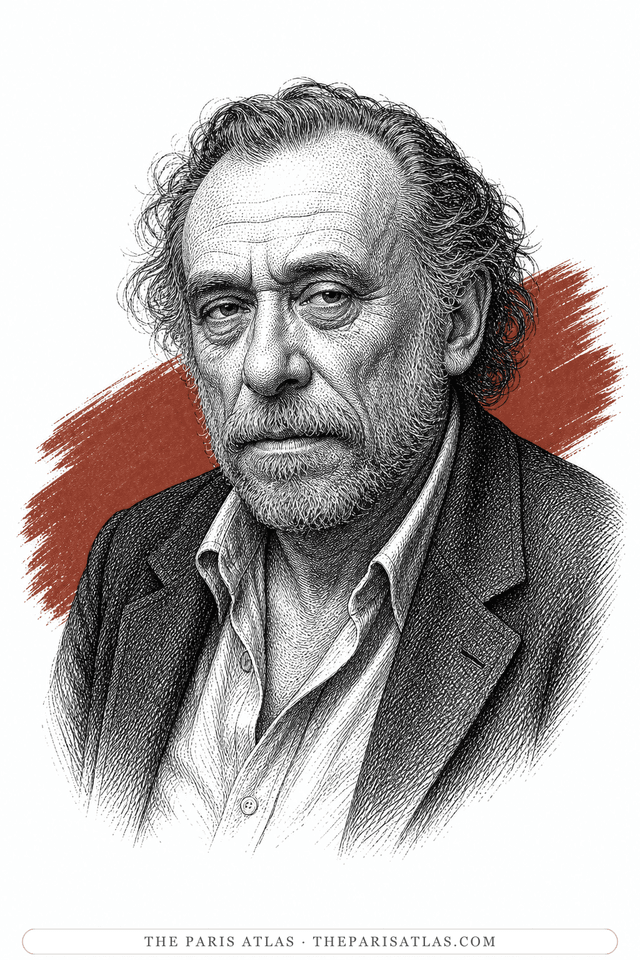
American poet and novelist of Los Angeles rooming houses, racetracks and the post office, who quit his job to write when a publisher offered him a hundred dollars a month. He came to Paris once, in September 1978, drank his way through a live television book programme and walked off the set — and French television has been replaying it ever since.
View author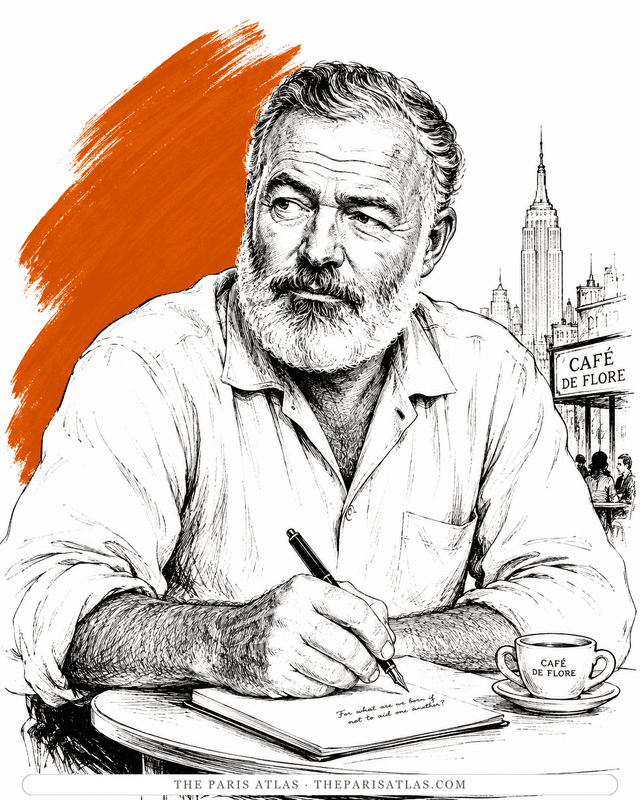
Ernest Hemingway
Author of The Sun Also Rises and A Moveable Feast; his pared-down style, developed in 1920s Paris, became the most imitated in American prose.
View author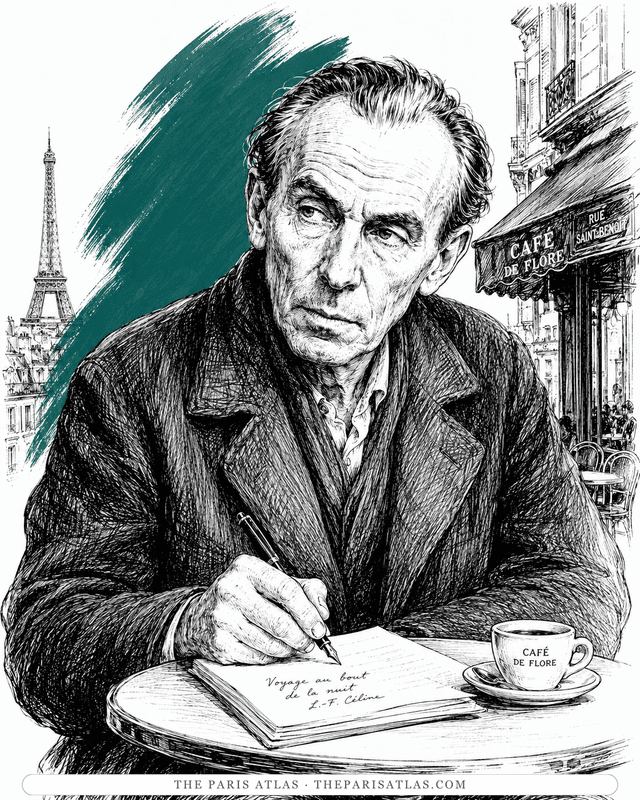
Louis-Ferdinand Céline
The doctor of the Paris slums who wrote the century's blackest, funniest novel — and changed the sound of French prose.
View author