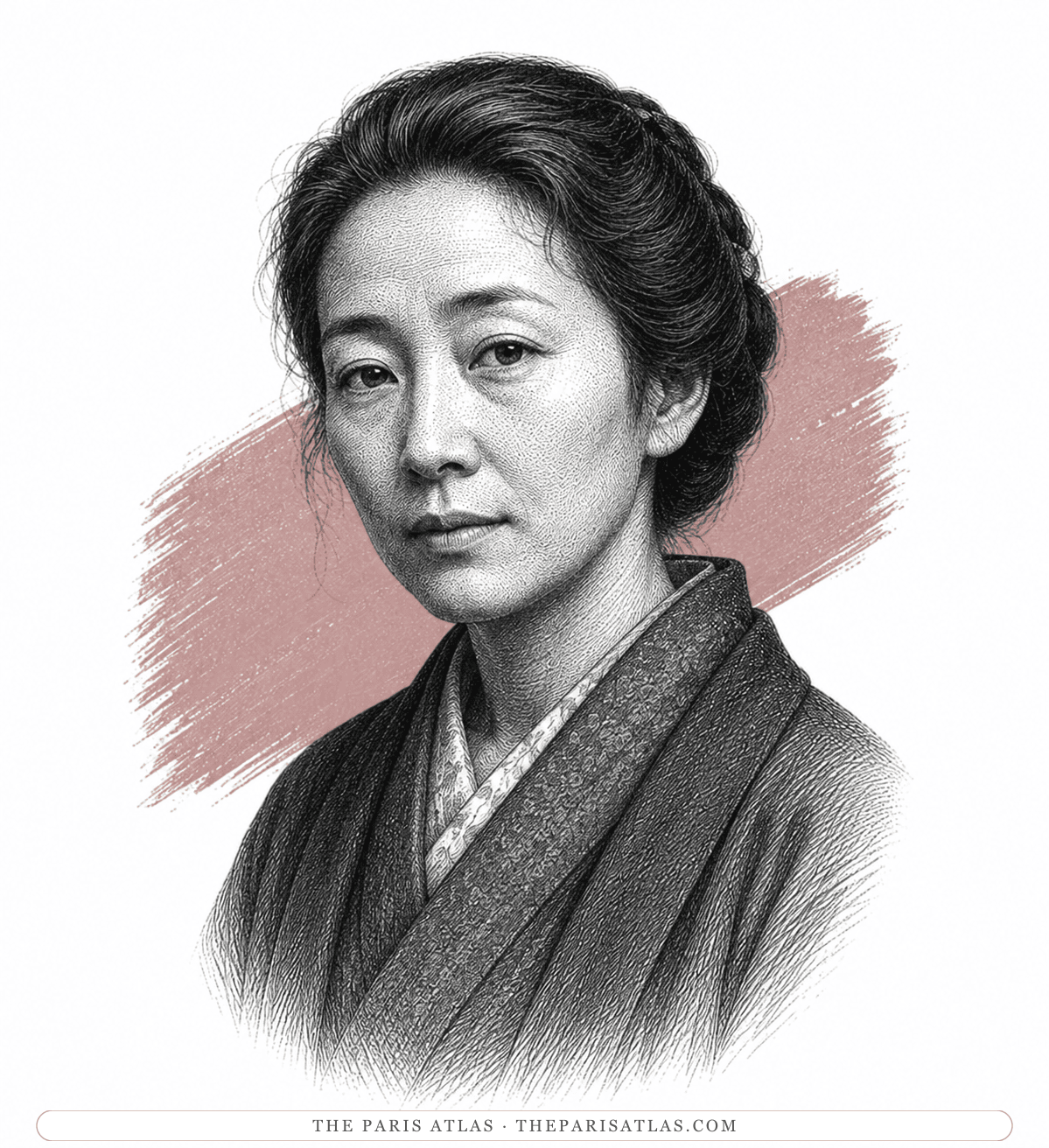
Kochan's mother
A caring mother whose access to her son is constrained by the grandmother's family authority.
The book

Who they are in the book
Spoiler-freeKochan's mother cares for him within a complicated household hierarchy dominated by his grandmother.
Her displaced maternal position helps explain the unusual structure of Kochan's early family life.
How Kochan's mother Is Portrayed
- AgeShe appears as a Japanese woman in early middle age.
- DressRestrained period clothing reflects the family's formality.
- ExpressionHer gentleness carries an emotional distance imposed by the household.
- RoleShe remains part of the family background rather than driving the adult plot.
She receives no independent dramatic resolution.
If you like Confessions of a Mask


If you like Yukio Mishima
Explore authors with a similar voice, perspective, and influence.
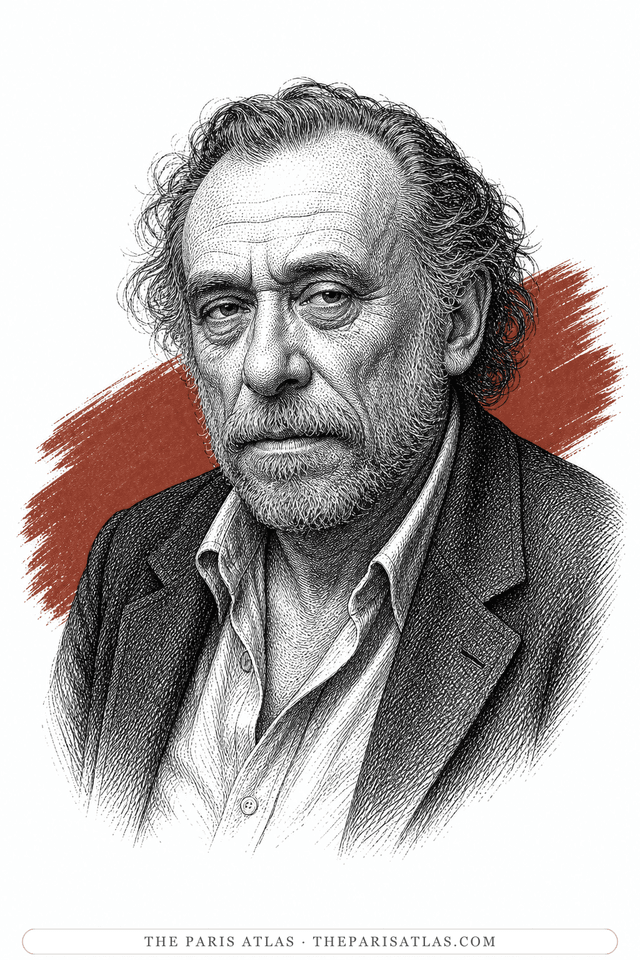
Charles Bukowski
American poet and novelist of Los Angeles rooming houses, racetracks and the post office, who quit his job to write when a publisher offered him a hundred dollars a month. He came to Paris once, in September 1978, drank his way through a live television book programme and walked off the set — and French television has been replaying it ever since.
View author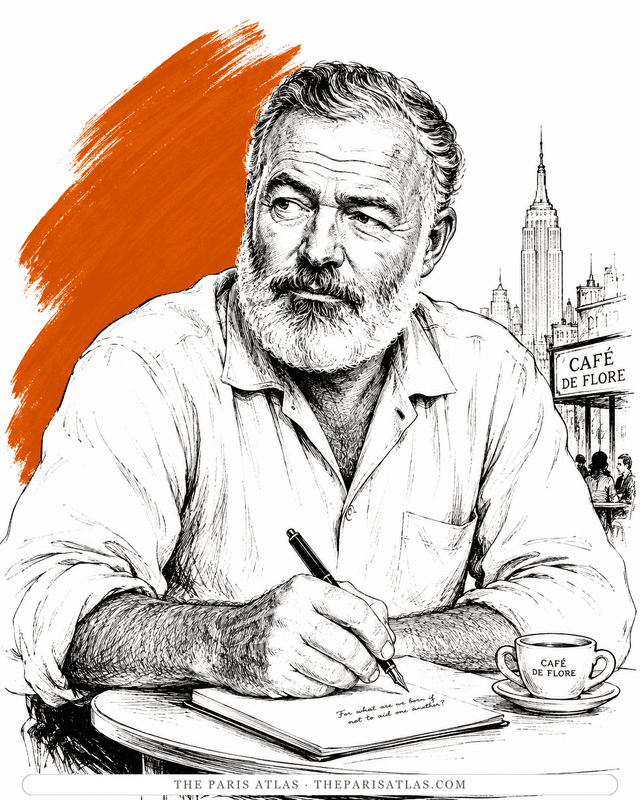
Ernest Hemingway
Author of The Sun Also Rises and A Moveable Feast; his pared-down style, developed in 1920s Paris, became the most imitated in American prose.
View author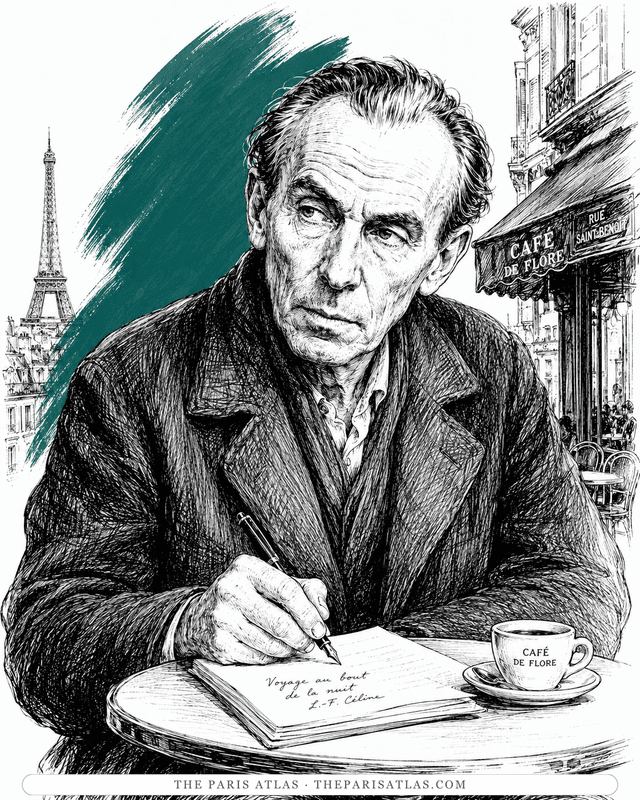
Louis-Ferdinand Céline
The doctor of the Paris slums who wrote the century's blackest, funniest novel — and changed the sound of French prose.
View author