The Old Commandant
The colony's dead founder, who invented the machine. He never appears, but everyone in the story lives in his shadow.
The inscription on his grave says his followers expect him to rise again after a certain number of years and retake the colony (pages 67 and 68).
The book
In the Penal Colony
Franz Kafka
Who they are in the book
Spoiler-freeEverything about him comes from other people. The officer speaks of him with devotion, and the soldier tells the traveler where he is buried.
How The Old Commandant Is Portrayed
- The man who built everythingOn pages 8 and 9 the officer says the machine was his invention and that the whole organization of the colony was his work. His friends, the officer says, knew his successor could change nothing for years.
- Soldier, judge, engineerOn page 15 the traveler asks whether he was soldier, judge, builder, chemist and draftsman all at once. The officer says yes. The officer still carries his hand-drawn designs in a leather folder.
- Execution daysOn pages 36 to 38 the officer recalls him arriving early with his ladies to fanfares. He laid the condemned man under the Harrow himself and ordered that children be given the places nearest the machine.
- A grave under a tableOn pages 66 to 68 the traveler finds his low gravestone under a table in the teahouse. The dockworkers drinking there smile at its prophecy as if it were a joke.
The Old Commandant quotes
Everyone knew: now justice is being done.alle wussten: Jetzt geschieht Gerechtigkeit.
Believe and wait!Glaubet und wartet!
If you like In the Penal Colony


If you like Franz Kafka
Explore authors with a similar voice, perspective, and influence.
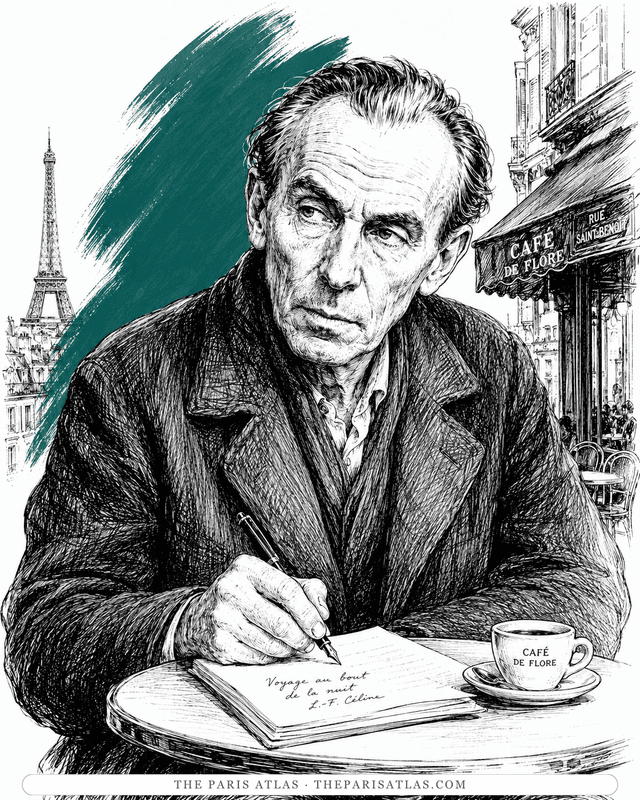
Louis-Ferdinand Céline
The doctor of the Paris slums who wrote the century's blackest, funniest novel — and changed the sound of French prose.
View author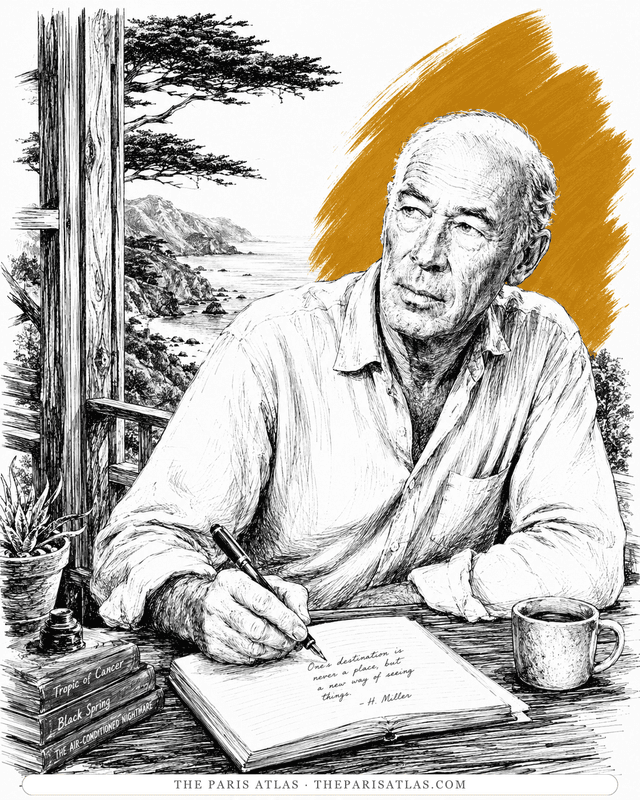
Henry Miller
The Brooklyn dropout who arrived in Paris broke at thirty-eight and wrote the exuberant, banned books that ended American censorship.
View author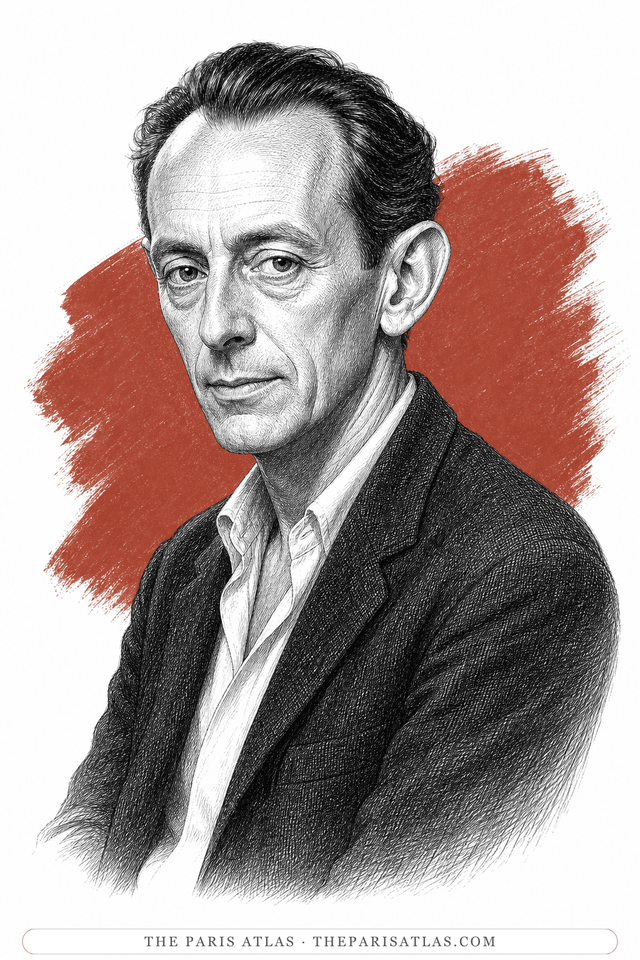
Paul Bowles
American novelist and composer whose expatriate fiction explores dislocation, unstable intimacy, fatalism, and North Africa.
View author