Dorothea Brooke
An earnest young heiress who wants to do some great good with her life and marries the wrong man in order to try.
She wants to spend her life on something large and good, and to understand the world well enough to know what that is.
The book
Middlemarch
George Eliot
Who they are in the book
Spoiler-freeDorothea is not yet twenty when the novel opens. She is clever, religious and badly educated, and she wants a life that matters. She mistakes Casaubon's learning for greatness. Most of the book is about what she does once she finds out.
How Dorothea Brooke Is Portrayed
- The emeraldsIn Chapter I she tells Celia she does not care for their mother's jewels. Then she holds an emerald ring and bracelet up to the window, finds them lovely, and keeps them after all.
- Cottages for the labourersIn Chapter III she is drawing plans for better cottages for the tenants. She talks of getting the people at Lowick well housed if she marries Casaubon.
- Like the portrait of LockeIn Chapter II she thinks Casaubon looks like the portrait of the philosopher John Locke. Celia asks whether Locke also had two white moles with hairs on them.
- Crying in RomeIn Chapter XX, alone on her honeymoon while Casaubon works in the Vatican library, she sits crying and could only have explained it in vague, general words.
- The night of griefIn Chapter LXXX she spends a night in misery after finding Will with Rosamond. At dawn she opens the curtains and sees a man with a bundle and a woman carrying a baby, and feels the largeness of the world.
- Going backIn Chapter LXXXI she returns to Rosamond's house that same morning, because she had promised to help Lydgate, and her visit brings out the truth about Will.
Dorothea Brooke quotes
for the growing good of the world is partly dependent on unhistoric acts; and that things are not so ill with you and me as they might have been, is half owing to the number who lived faithfully a hidden life, and rest in unvisited tombs.
If we had a keen vision and feeling of all ordinary human life, it would be like hearing the grass grow and the squirrel’s heart beat, and we should die of that roar which lies on the other side of silence.
Far off in the bending sky was the pearly light; and she felt the largeness of the world and the manifold wakings of men to labor and endurance.
She gives up Casaubon's fortune to marry Will Ladislaw, who becomes a reforming member of Parliament. Her son inherits her uncle's estate. The Finale says she never became famous and that the good she did was real anyway.
If you like Middlemarch


If you like George Eliot
Explore authors with a similar voice, perspective, and influence.
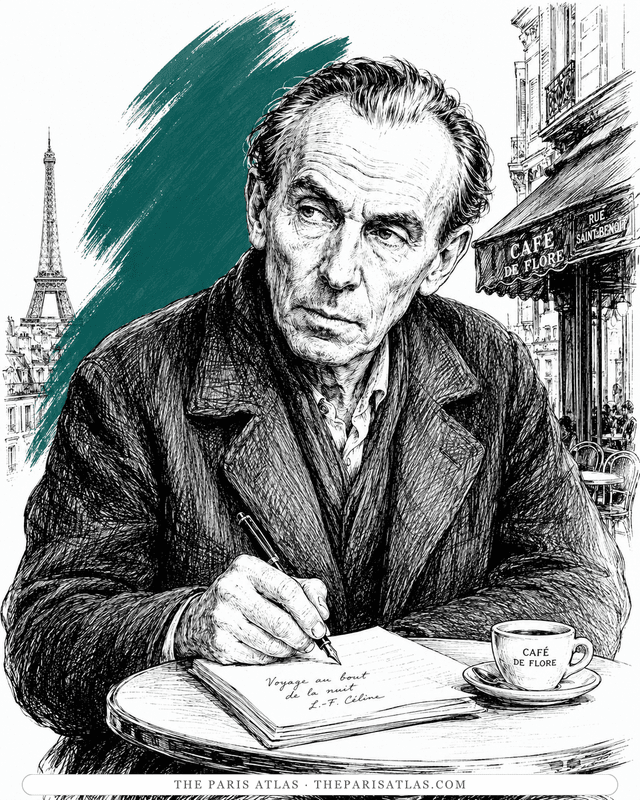
Louis-Ferdinand Céline
The doctor of the Paris slums who wrote the century's blackest, funniest novel — and changed the sound of French prose.
View author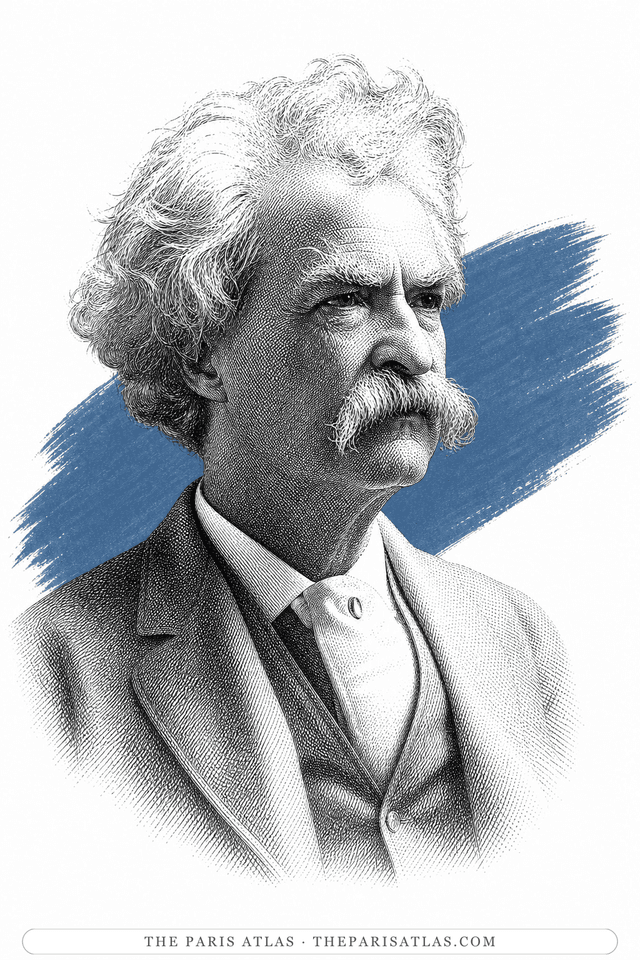
Mark Twain
The Missouri newspaperman who became America's most famous writer, and whose first book made its reputation partly out of Paris: in 1867 he arrived with a shipload of American tourists, renamed his guide Ferguson, watched the high-kicking can-can through his fingers and wrote it all down. He kept coming back — and was living in Paris in the mid-1890s, broke, while finishing the novel he considered his best, Personal Recollections of Joan of Arc.
View author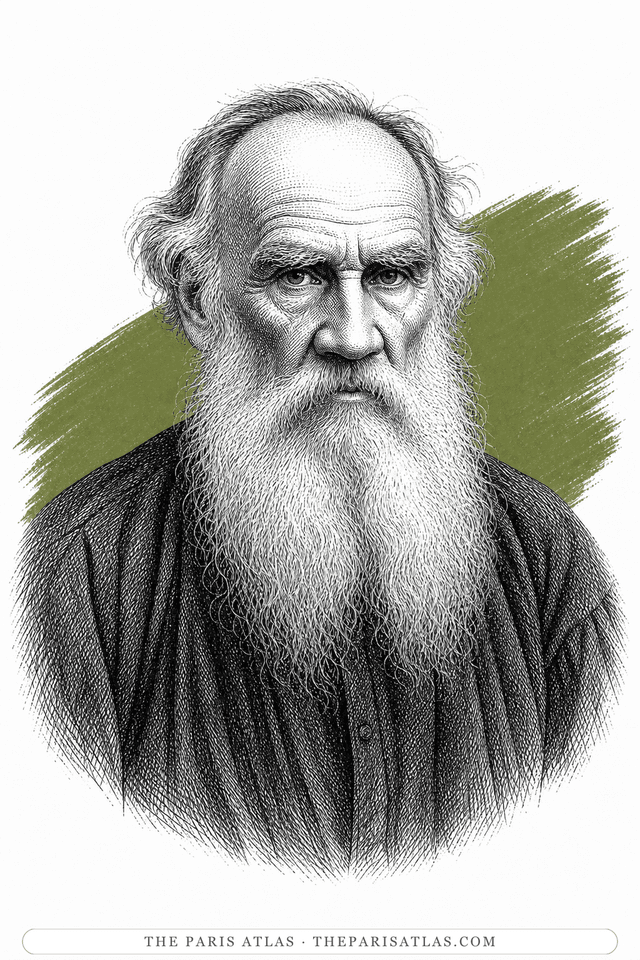
Leo Tolstoy
Russian novelist who wrote War and Peace and Anna Karenina, then renounced the life that produced them. He spent six weeks in Paris in 1857, and on one April morning went to watch a man beheaded in the street — an hour he said destroyed his belief in progress and in the state, and which he was still writing about twenty-two years later.
View author