Tertius Lydgate
A young doctor from a good family, trained in Paris, who comes to Middlemarch to practise medicine properly and reform it.
He wants to make a real discovery in medicine and to be a better kind of doctor than the town has ever had.
The book
Middlemarch
George Eliot
Who they are in the book
Spoiler-freeLydgate is the novel's second hero. He is talented, well-meaning and proud, and he has a blind spot about money and women. The story of his decline runs beside Dorothea's from start to finish.
How Tertius Lydgate Is Portrayed
- The valves of the heartIn Chapter XV, as a schoolboy stuck indoors on a wet holiday, he takes down a dusty old encyclopedia and reads about the valves of the heart. From then on he means to be a doctor.
- Laure at the Porte Saint-MartinIn Chapter XV, as a student in Paris, he falls for an actress who stabs her husband on stage. He follows her to Avignon and proposes, and she tells him she meant to do it.
- The vote for TykeIn Chapter XVIII he votes with Bulstrode to make Mr Tyke chaplain of the new hospital, against his friend Mr Farebrother. He dislikes knowing that the vote suits his own interests.
- The dropped chainIn Chapter XXXI he calls on Rosamond meaning nothing serious. She drops her chain, he stoops for it, sees tears in her eyes, and is engaged within minutes.
- A bill of saleIn Chapter LVIII he has to give a creditor a bill of sale on the furniture of his house, meaning it can be taken if he does not pay.
- The basil plantIn the Finale he once calls Rosamond his basil plant, and explains that basil flourished wonderfully on a murdered man's brains.
Tertius Lydgate quotes
I meant to do it.
Bulstrode lends him a thousand pounds just before Raffles dies, and the town decides he was bribed. He leaves Middlemarch, becomes a successful doctor to wealthy patients and dies of diphtheria, always regarding himself as a failure.
If you like Middlemarch


If you like George Eliot
Explore authors with a similar voice, perspective, and influence.
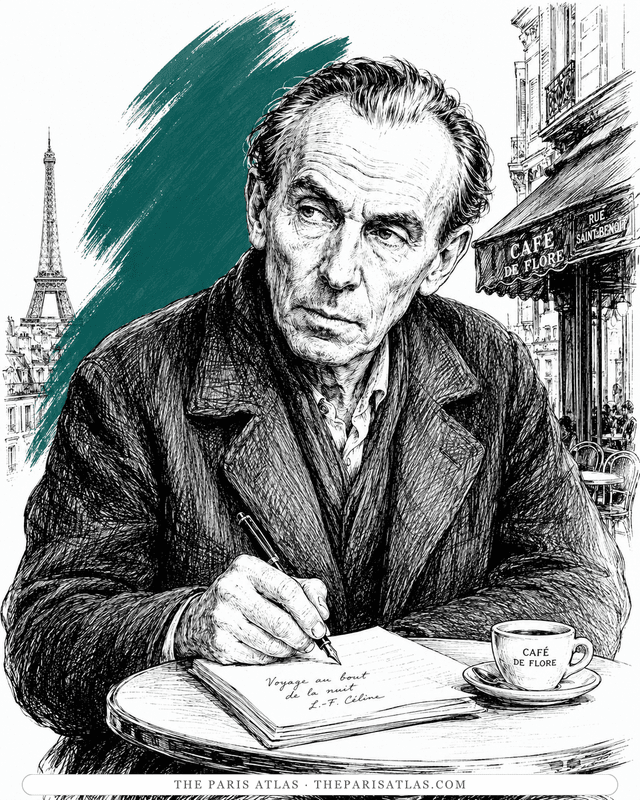
Louis-Ferdinand Céline
The doctor of the Paris slums who wrote the century's blackest, funniest novel — and changed the sound of French prose.
View author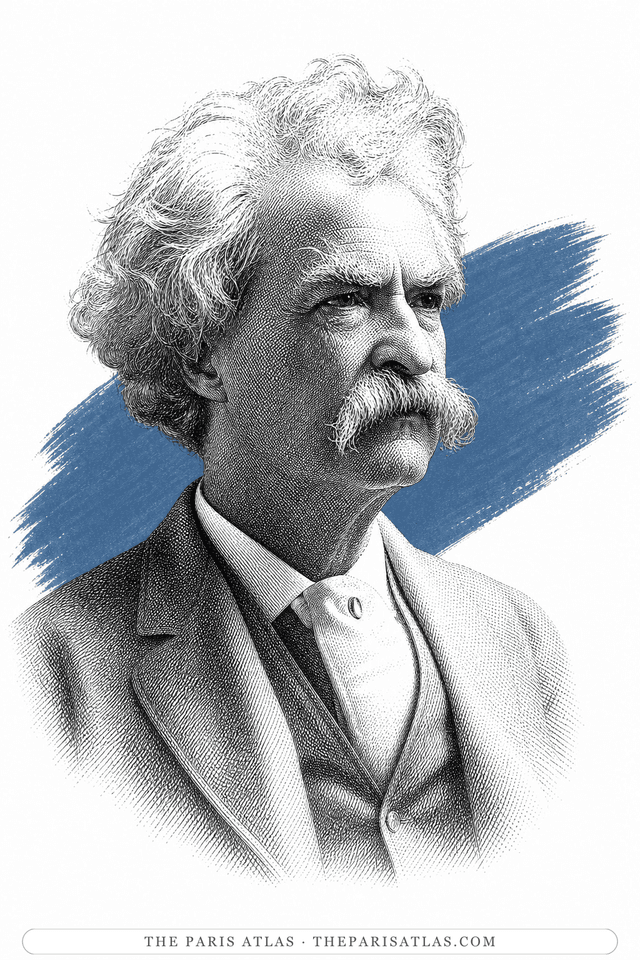
Mark Twain
The Missouri newspaperman who became America's most famous writer, and whose first book made its reputation partly out of Paris: in 1867 he arrived with a shipload of American tourists, renamed his guide Ferguson, watched the high-kicking can-can through his fingers and wrote it all down. He kept coming back — and was living in Paris in the mid-1890s, broke, while finishing the novel he considered his best, Personal Recollections of Joan of Arc.
View author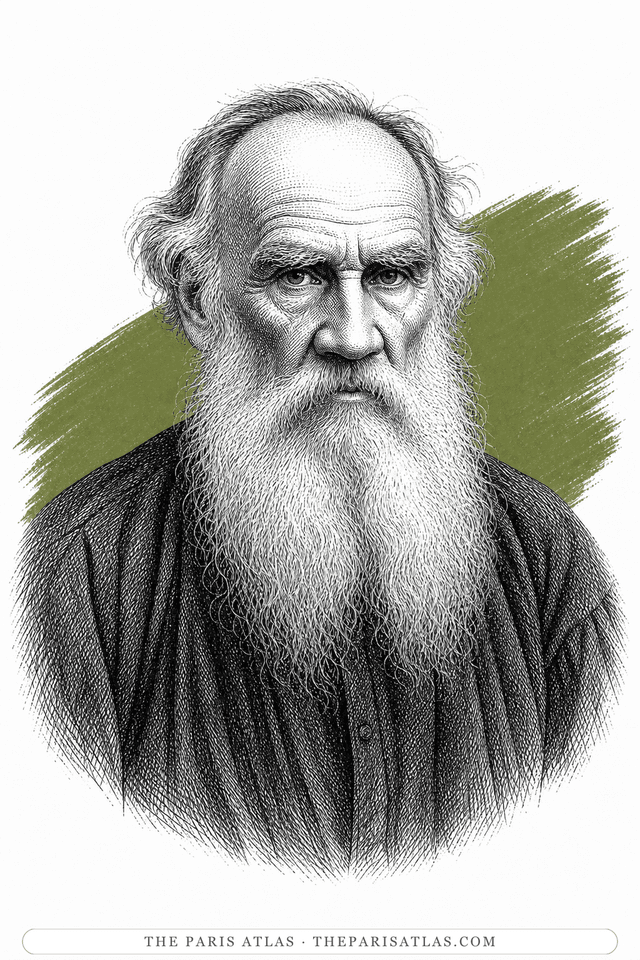
Leo Tolstoy
Russian novelist who wrote War and Peace and Anna Karenina, then renounced the life that produced them. He spent six weeks in Paris in 1857, and on one April morning went to watch a man beheaded in the street — an hour he said destroyed his belief in progress and in the state, and which he was still writing about twenty-two years later.
View author