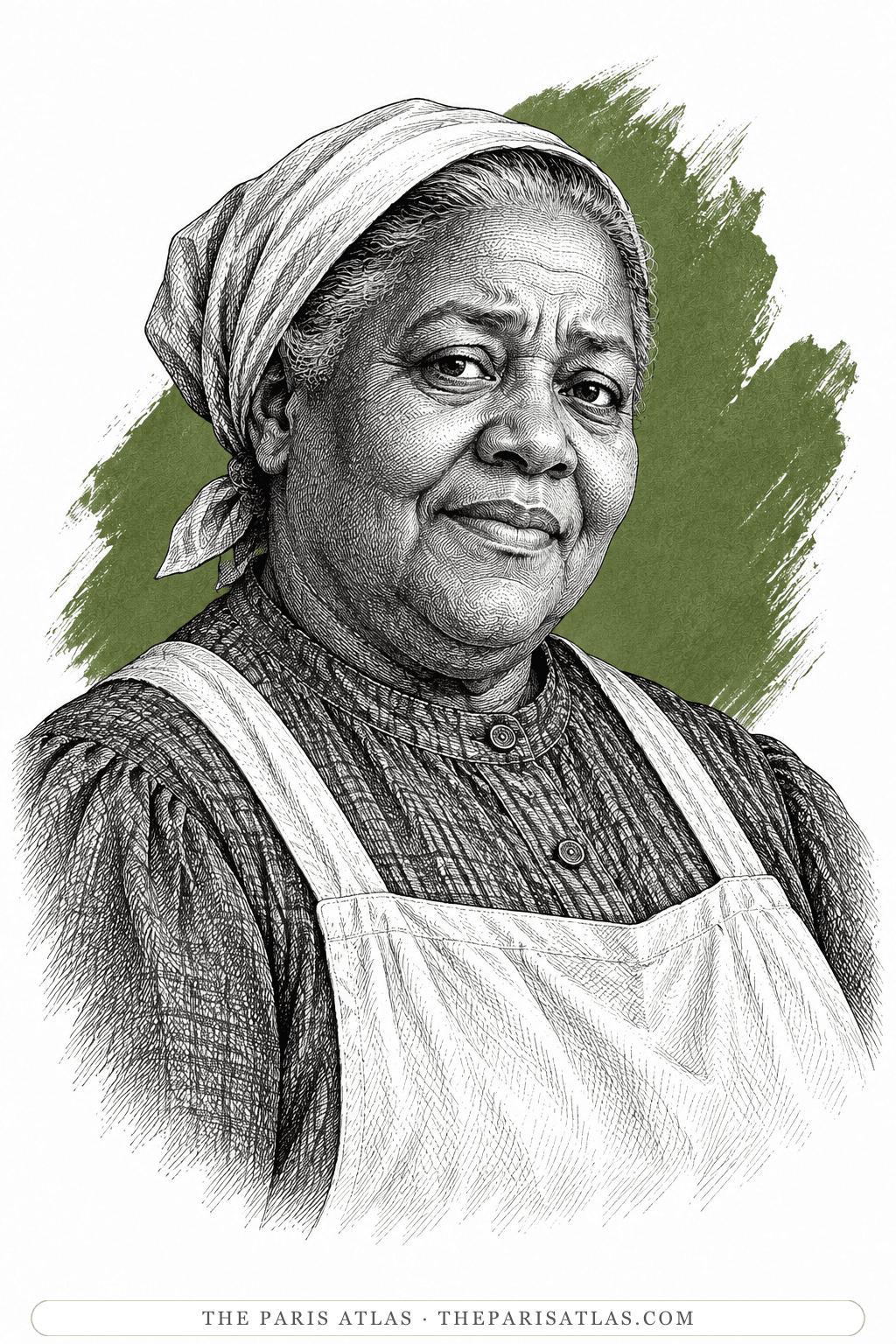
Hager Williams
Sandy's grandmother, a laundress whose earnings, faith, and care sustain the household.
She wants to keep her family safe, guide them toward Christian conduct, and help Sandy become an educated man who serves Black people.
The book

Who they are in the book
Spoiler-freeHager has survived slavery and built a life through paid washing, family care, and church membership. She can be stern and controlling, but repeatedly spends scarce money or strength on other people.
How Hager Williams Is Portrayed
- Care after the cycloneIn Chapter 1, Hager holds Sandy through the storm and then helps a white neighbor who is grieving. Her own damaged house does not stop her from answering another household's need.
- An expensive birthday presentIn Chapter 2, Hager says she spent three weeks' washing income on a gold watch for Harriett. The confession interrupts her complaints about the girl's behavior with pride and affection.
- Refusing hatredIn Chapter 7, Harriett and the neighbors describe racist abuse and exclusion. Hager insists on forgiveness and distinguishes people's failings from her faith, even when the others find her response inadequate.
- A party at homeIn Chapter 18, the amusement park turns Sandy and Willie-Mae away. Hager brings out a cooled watermelon and makes a small celebration for the disappointed children.
- Working through illnessIn Chapter 21, Hager first calls her severe pain tiredness and tries to finish the laundry. Only after the pain worsens does she ask for a doctor. Sandy recognizes the danger because she has stopped her usual work.
- Welcoming Harriett backIn Chapter 22, the dying Hager asks whether Harriett is happy and returns the watch she has redeemed from pawn. She greets her daughter with affection rather than renewed accusations about leaving home.
If you like Not Without Laughter


If you like Langston Hughes
Explore authors with a similar voice, perspective, and influence.
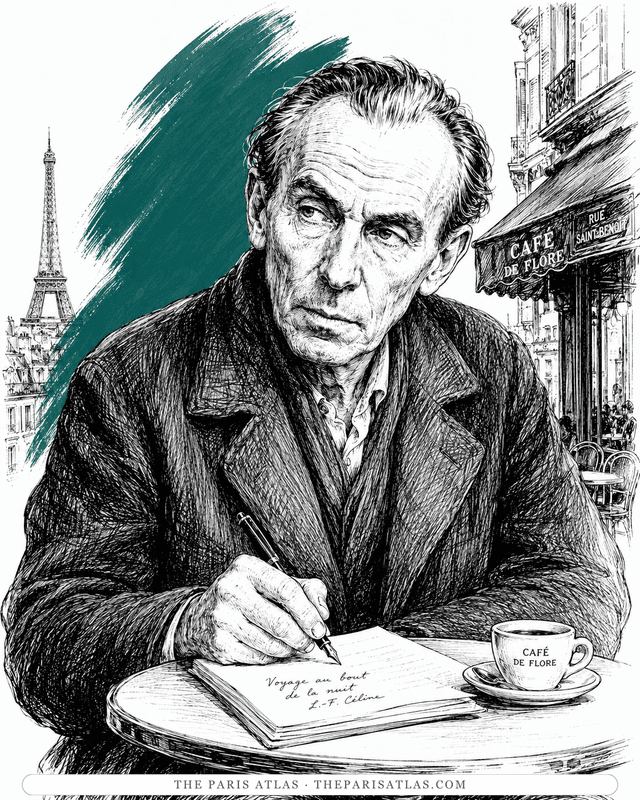
Louis-Ferdinand Céline
The doctor of the Paris slums who wrote the century's blackest, funniest novel — and changed the sound of French prose.
View author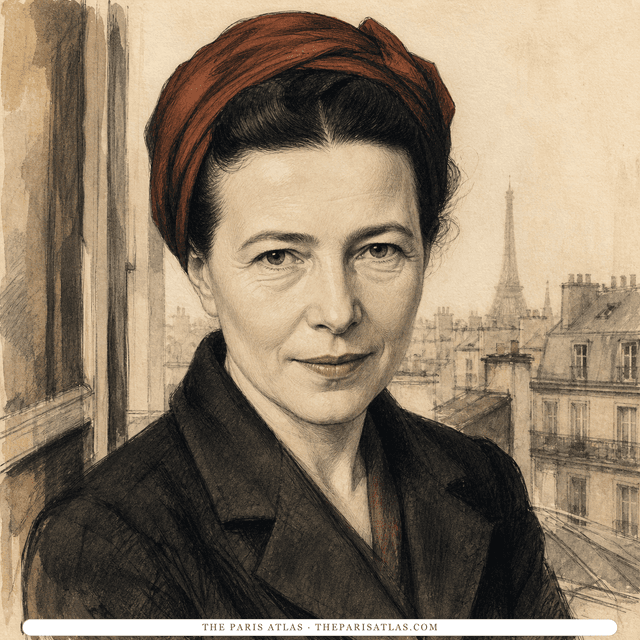
Simone de Beauvoir
French writer and philosopher whose novels, memoirs, and social analysis examined freedom, gender, responsibility, aging, and the material conditions that shape a life.
View author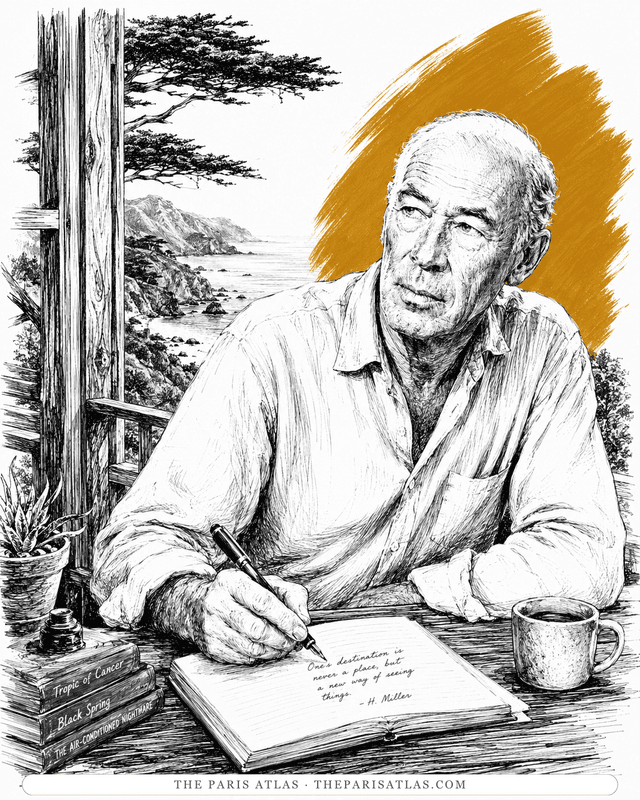
Henry Miller
The Brooklyn dropout who arrived in Paris broke at thirty-eight and wrote the exuberant, banned books that ended American censorship.
View author