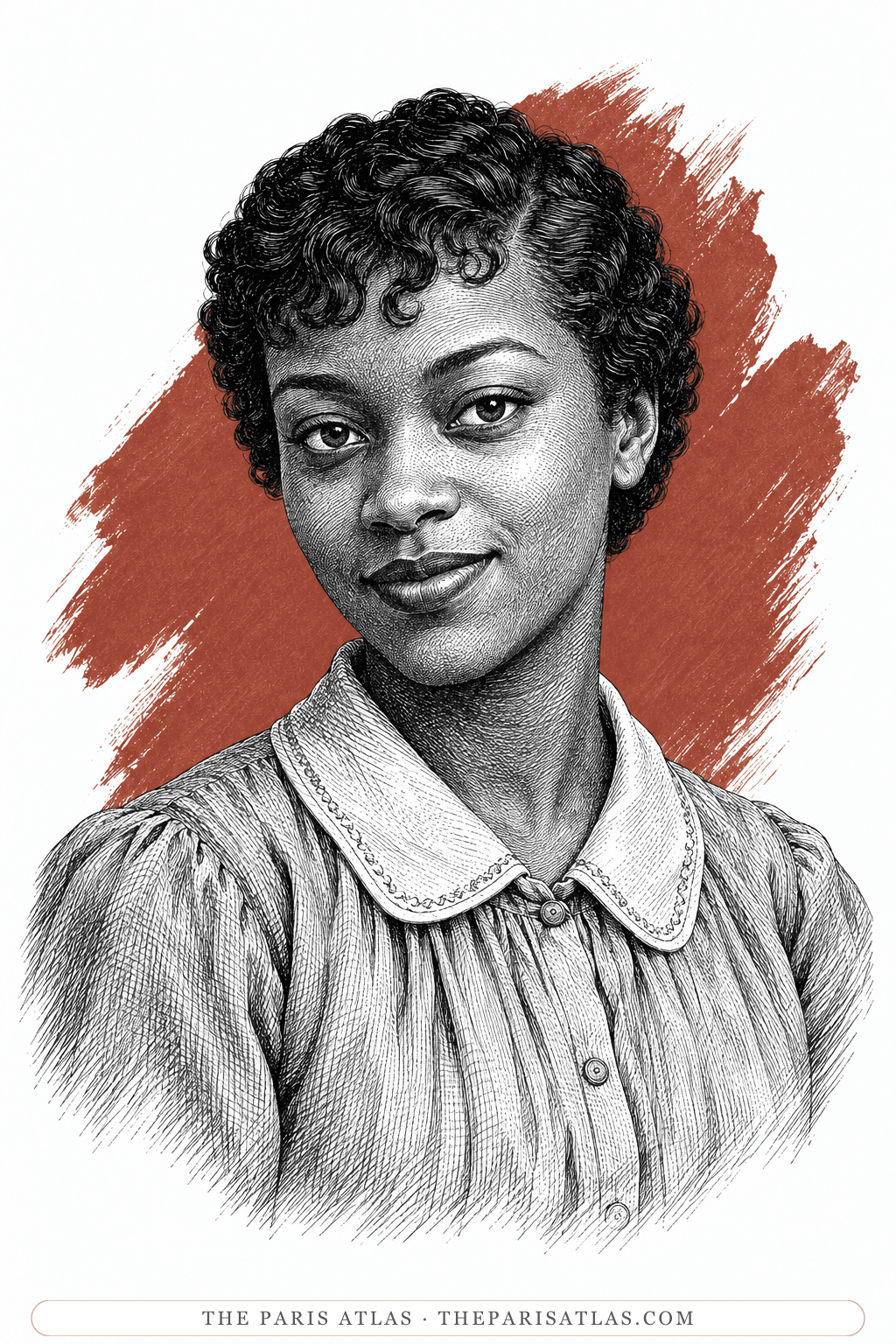
Harriett Williams
Sandy's youngest aunt, who resists domestic service and becomes a blues performer under the name Harrietta Williams.
She wants a life beyond poorly paid service and eventually uses musical performance to support herself.
The book

Who they are in the book
Spoiler-freeHarriett wants pleasure, decent pay, and control over her own movements. Her arguments with Hager concern religion and respectability, but also the exploitation that young Black women face at work.
How Harriett Williams Is Portrayed
- Explaining why she quitsIn Chapter 4, Harriett lists the country club's low pay, heavy cleaning duties, and sexual harassment. Her decision to leave has practical causes that Hager's accusation of restlessness does not address.
- Learning through performanceChapter 5 describes Harriett learning songs and dance steps from Jimboy over several years. Their evening music gives her both a skill and a form of enjoyment that troubles Hager.
- Humiliated in front of classmatesIn Chapter 7, Harriett recalls being ordered away from her school group at a cinema because she is Black. The teacher and classmates do not defend her, reinforcing the anger she expresses at home.
- Returning when calledIn Chapter 21, Sandy brings Tempy's note saying Hager is gravely ill. Harriett quickly dresses and accompanies him home, interrupting the life she has established away from her mother.
- Keeping the old giftIn Chapter 22, Harriett hides her new wristwatch when Hager gives back the little watch she once pawned. At the funeral, she wears Hager's gift beneath her coat.
- Paying for Sandy's futureIn Chapter 30, Harriett challenges Annjee's plan to keep Sandy at work. She offers to replace his wages, gives him money for books, and insists that he fulfill Hager's hope for his education.
If you like Not Without Laughter


If you like Langston Hughes
Explore authors with a similar voice, perspective, and influence.
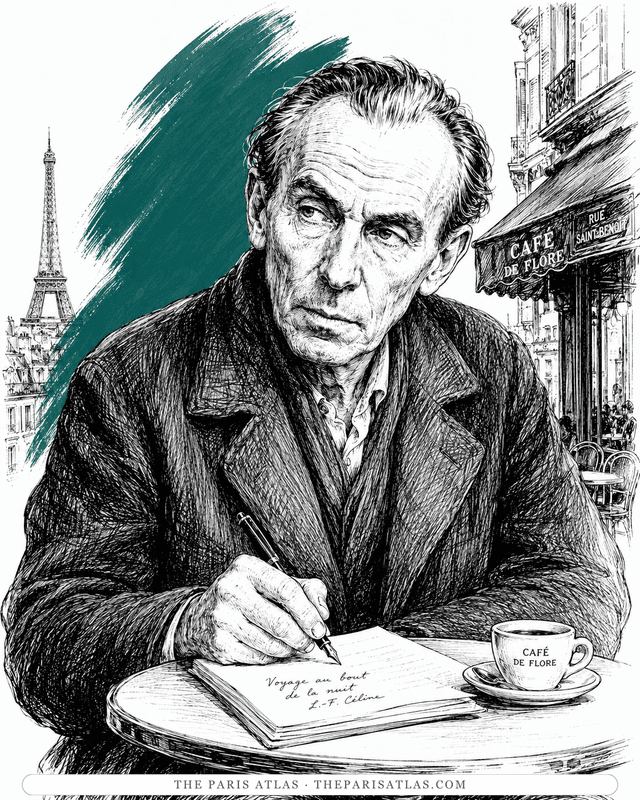
Louis-Ferdinand Céline
The doctor of the Paris slums who wrote the century's blackest, funniest novel — and changed the sound of French prose.
View author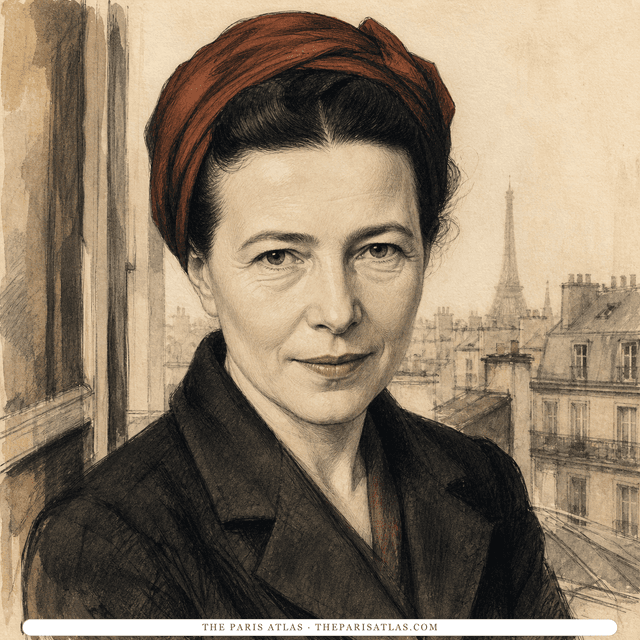
Simone de Beauvoir
French writer and philosopher whose novels, memoirs, and social analysis examined freedom, gender, responsibility, aging, and the material conditions that shape a life.
View author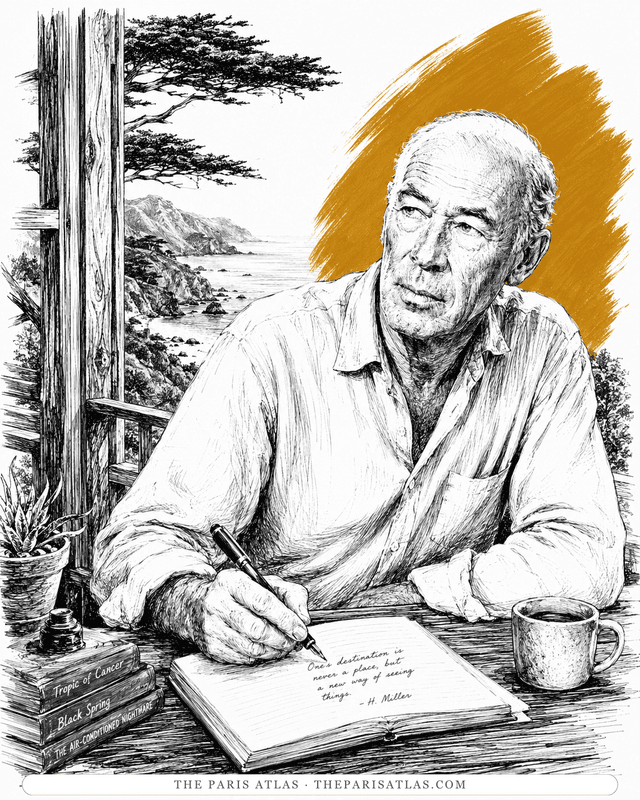
Henry Miller
The Brooklyn dropout who arrived in Paris broke at thirty-eight and wrote the exuberant, banned books that ended American censorship.
View author