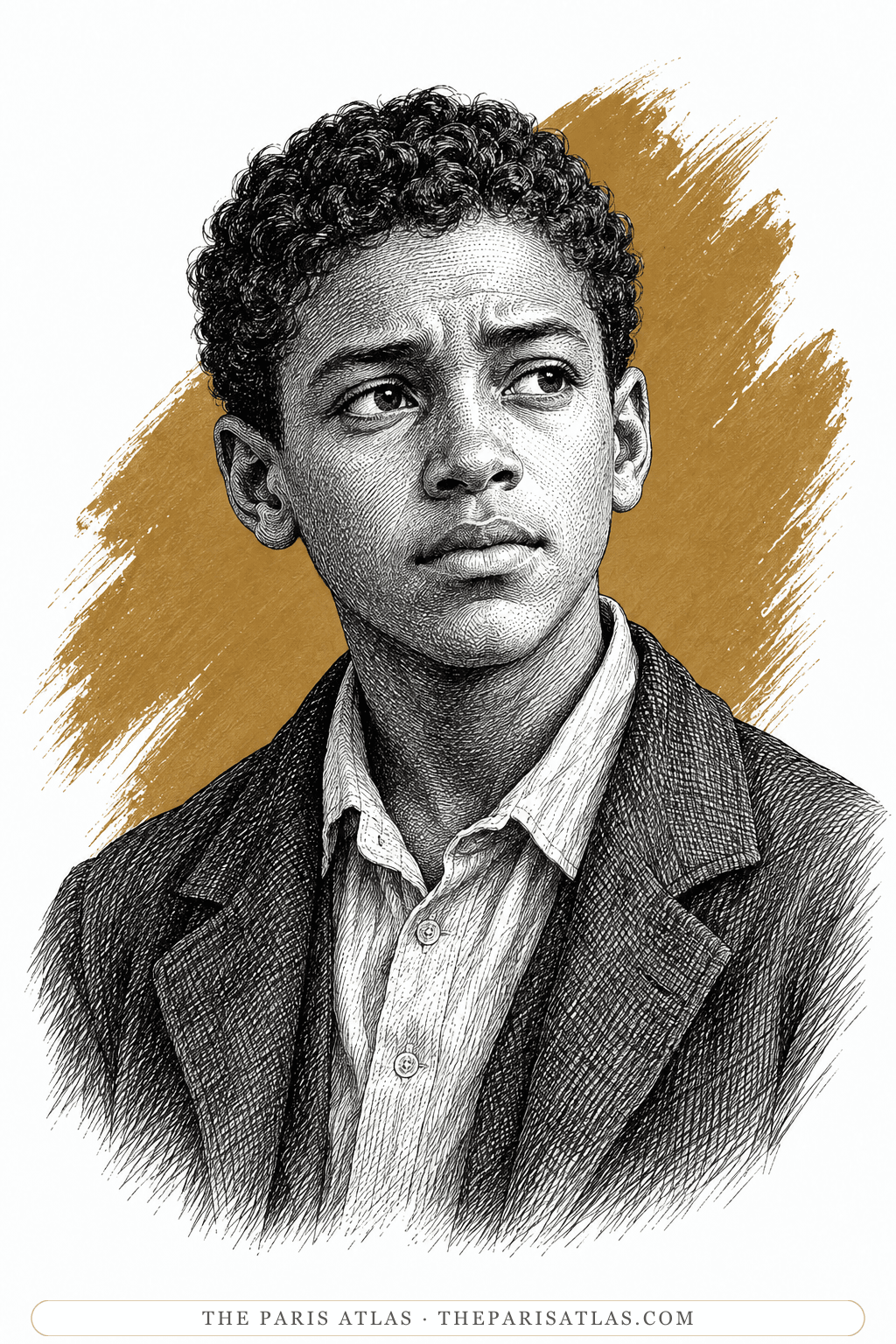
Sandy
The boy whose childhood in Stanton and move to Chicago organize the novel.
He wants to continue his education and find work that gives him more choices than the service jobs his family knows.
The book

Who they are in the book
Spoiler-freeSandy listens to the adults around him without simply accepting one person's account of life. School, work, books, and friendships gradually give him grounds for judgments of his own.
How Sandy Is Portrayed
- Fear beneath the adventureIn Chapter 1, Sandy explores the cyclone damage, then grows frightened while waiting outside a neighbor's house. He imagines that the storm has carried his mother away and finally cries himself to sleep.
- A lesson in exclusionIn Chapter 11, Sandy is placed at the back of the classroom with the other Black pupils. He understands the teacher's decision and struggles against tears, even as he proves a strong contestant in the spelling match.
- Trying to explain an unfair ruleIn Chapter 18, Sandy is refused entry to the advertised Children's Day celebration. He gives his unused coupons to a white friend, then asks Hager whether Kansas is becoming like the South.
- Reading beyond family loyaltiesIn Chapter 24, Sandy admires W. E. B. Du Bois's writing in The Crisis. He later reads Booker T. Washington's Up from Slavery and concludes that Hager's admiration for Washington need not cancel Tempy's admiration for Du Bois.
- Refusing a permanent elevator jobIn Chapter 29, repetitive work and the example of older elevator operators alarm Sandy. He resolves to return to school, while recognizing that Annjee needs his wages and that studying without money will be difficult.
- Hearing continuity in a new cityIn Chapter 30, Harriett promises financial help for school. Walking home afterward, Sandy hears worshippers singing and responds with delight to the music that reminds him of Stanton.
If you like Not Without Laughter


If you like Langston Hughes
Explore authors with a similar voice, perspective, and influence.
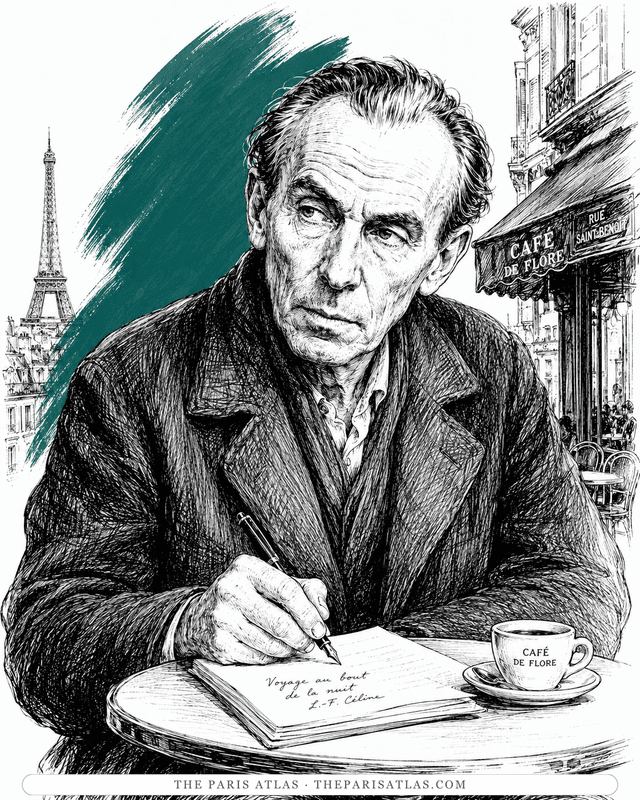
Louis-Ferdinand Céline
The doctor of the Paris slums who wrote the century's blackest, funniest novel — and changed the sound of French prose.
View author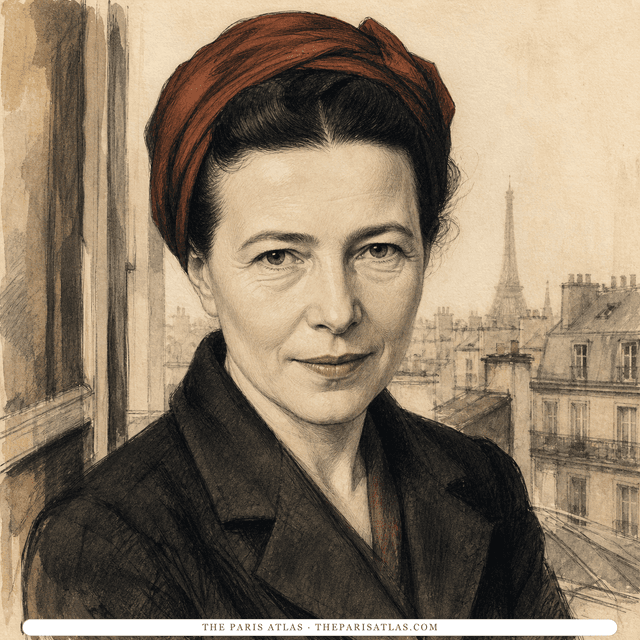
Simone de Beauvoir
French writer and philosopher whose novels, memoirs, and social analysis examined freedom, gender, responsibility, aging, and the material conditions that shape a life.
View author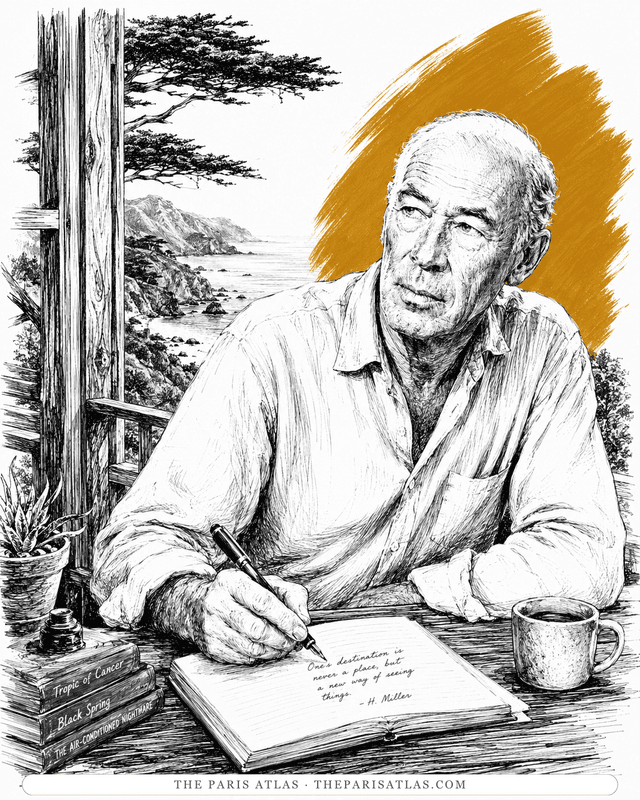
Henry Miller
The Brooklyn dropout who arrived in Paris broke at thirty-eight and wrote the exuberant, banned books that ended American censorship.
View author