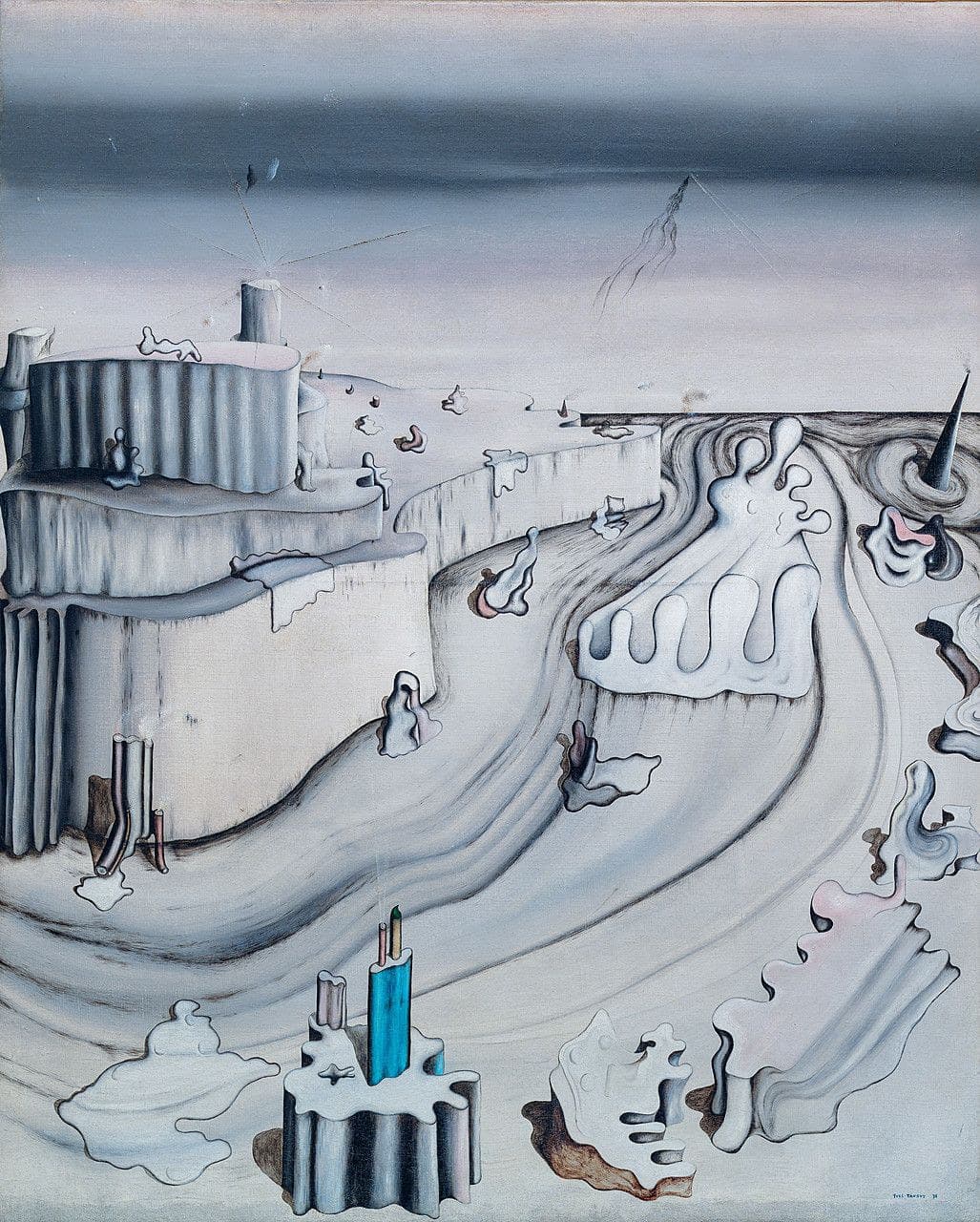
Promontory Palace
by Yves Tanguy
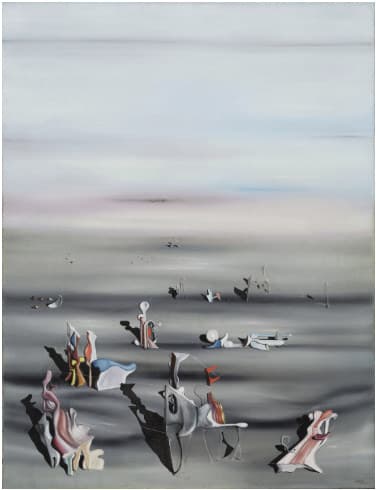
A grey fluted mesa stands on the left of a wide pale plain, with a thorn-like tower on its summit throwing off fine sparks. Everything around it appears to be melting. A five-lobed white mass hangs at the centre right, pipes smoke at the foot of the cliff, and a turquoise block with two pencil-like uprights stands on a fluted drum at the bottom. Yves Tanguy painted it in 1931, and it belongs to the Peggy Guggenheim Collection in Venice.
- 1931
- Oil on canvas
- Peggy Guggenheim CollectionVenice, Italy
About Yves Tanguy
What the painting shows
The Peggy Guggenheim Collection describes a rigid multitiered mass dominating a broad, flat plain. That mass occupies the left third of the canvas: a flat-topped block, fluted in vertical grooves along its upper tier and standing on columnar legs. The museum's account adds that this corrugated mesa and the buttes in front of it hold firm while the landscape around them gives way to a melting force.
On the summit stands a narrow grey tower, and fine lines radiate from its tip. The museum calls these mysterious sparks and calls the peak itself the palace. At the foot of the cliff a cluster of three pale pipes bends at the bottom and gives off steam, which the museum notes rises from the distant horizon as well.
A line of small rounded forms walks down the incline toward the edge of the cliff, and two of them have begun to spill over the drop. At the centre right a white mass hangs with five rounded lobes below it, which the museum describes as gliding over the ground as if on water. The right edge carries a dark cone, a swirl of black line-work, and pale pink lobed forms draped along the margin.
The strongest colour in the canvas sits at the bottom. A fluted drum holds a bright turquoise block with two pencil-like uprights standing in it, one pale pink and one tipped in greenish yellow. The museum notes the restrained greys and muted pinks accented with cool blue, pale green and yellow. The canvas is 73 by 60 centimetres, and Yves Tanguy signed it at the lower right.
The flowing pictures
The Peggy Guggenheim Collection places the painting in a group made after Yves Tanguy travelled to Africa in 1930. The group is known as les coulées, the flowing forms, for its molten character, and the museum names Promontory Palace the most striking of the sequence.
Two other pictures are named alongside it: Neither Legends nor Figures of about 1930 and The Armoire of Proteus of 1931. The museum's text lists the first as being in a private collection in the United States. It has since entered the Menil Collection in Houston, which has published its own account of the picture and of the North African journey behind it.
The museum's note cites the catalogue of the 1982 Paris retrospective, Yves Tanguy: Retrospective (1925–1955), for the fuller discussion of the group. The entry on the painting is by Elizabeth C. Childs.
How it reached Venice
The credit line reads "The Solomon R. Guggenheim Foundation Peggy Guggenheim Collection, Venice, 1976", and the accession number is 76.2553.94. Peggy Guggenheim's collection passed to the Solomon R. Guggenheim Foundation on her death, and the palazzo on the Grand Canal became a museum under the foundation's care.
Yves Tanguy and Peggy Guggenheim were connected before that. The Peggy Guggenheim Collection also holds a pair of earrings he made for her in about 1938, catalogued separately as 2011.2, and a second painting, The Sun in Its Jewel Case of 1937.
Why this one stays behind fair use longest
Yves Tanguy died on 15 January 1955, so the French copyright term expired on 31 December 2025 and the painting entered the French public domain on 1 January 2026.
The American term has not expired. A painting made and first published in France before 1939 is a foreign work, and the Uruguay Round Agreements Act restored the United States copyright in works still protected in France on 1 January 1996. A restored term runs ninety-five years from first publication. Even on the earliest date available, the year of painting, that term runs to 31 December 2026.
The Peggy Guggenheim Collection prints a copyright line naming the Estate of Yves Tanguy and the Artists Rights Society in New York. The atlas shows a reduced reproduction for editorial commentary and keeps it out of commercial reuse.
Close reading
Reading the work, detail by detail
The Peggy Guggenheim Collection reads the picture as a rigid mass holding firm while the landscape around it melts, and the close views follow that reading through the canvas. They take in the fluted mesa, the tower on its summit, the pipes at its foot, and the turquoise column standing at the bottom edge.
1.The mesa and its grooves
The upper tier is cut with close vertical grooves that run its full depth, and the block below stands on columnar legs. The Peggy Guggenheim Collection calls it a rigid multitiered mass and a corrugated mesa. Its edges are firm where everything near it is soft.
2.Sparks from the tower on the summit
A narrow tower stands on the highest point of the mass with fine straight lines radiating from its tip. The museum calls these mysterious sparks and calls the peak itself the palace, which is where the painting takes its title from.
3.Pipes steaming at the foot of the cliff
Three pale tubes stand at the base of the cliff, bent at their lower ends like plumbing. Faint smoke rises from the open tops. The museum records steam coming both from this pipe-shaped form and from the distant horizon.
4.A white mass with five lobes
Five smooth lobes hang from the underside of a rounded white form, and the whole thing sits on a plinth of swirling dark lines. The museum describes a five-fingered, bulbous white mass gliding over the ground as if on water.
5.A turquoise block on a fluted drum
A round drum, fluted like the mesa above, holds a bright turquoise block. Two thin uprights stand in it, one pale pink and one tipped in greenish yellow, and both read as pencils. It is the strongest colour in a canvas of greys.
6.Forms walking over the edge
A line of small rounded forms descends the incline toward the lip of the cliff. Two have already gone over and hang down the face. The museum reads them as having surrendered to the melting and describes some of the shapes as disturbingly anthropomorphic.
Timeline
1930
Yves Tanguy travels to Africa, after which he paints the group of landscapes known as les coulées.
1931
Paints Promontory Palace in oil on canvas, 73 by 60 centimetres, and signs it at the lower right.
1938
Makes a pair of earrings for Peggy Guggenheim, now catalogued by her museum as 2011.2.
1976
Enters the Solomon R. Guggenheim Foundation with Peggy Guggenheim's collection, as accession 76.2553.94.
1982
The Paris retrospective Yves Tanguy: Retrospective (1925–1955) discusses the les coulées group in its catalogue.
2026
The French copyright term expires on 1 January. The restored United States term runs to 31 December of the same year.
Where to see it
Peggy Guggenheim Collection
Venice, Italy
A public viewing address has not yet been confirmed for this holding.
Frequently asked questions
Where is Yves Tanguy's Promontory Palace?
At the Peggy Guggenheim Collection in Venice, accession number 76.2553.94. It entered the Solomon R. Guggenheim Foundation with Peggy Guggenheim's collection in 1976.
What does Promontory Palace show?
A fluted grey mesa standing on a wide flat plain, with a thorn-like tower on its summit giving off sparks. The Peggy Guggenheim Collection describes the mesa and the buttes in front of it holding firm while the landscape around them melts. A five-lobed white mass hangs at the centre right and pipes give off steam at the foot of the cliff.
What are les coulées?
A group of landscapes Yves Tanguy painted after travelling to Africa in 1930, named for their molten, flowing character. The Peggy Guggenheim Collection calls Promontory Palace the most striking of the sequence and names Neither Legends nor Figures and The Armoire of Proteus alongside it.
How big is Promontory Palace?
73 by 60 centimetres, or 28 3/4 by 23 3/8 inches as the museum prints it. It is oil on canvas.
What is the French title of Promontory Palace?
Palais promontoire. The Peggy Guggenheim Collection catalogues it under the English form.
Does the Peggy Guggenheim Collection hold other work by Yves Tanguy?
Yes. It holds The Sun in Its Jewel Case of 1937, accession 76.2553.95, and a pair of earrings he made for Peggy Guggenheim in about 1938, catalogued as 2011.2.
More by Yves Tanguy
If you like Yves Tanguy
Explore painters from the same movements and circles.
Tarsila do Amaral
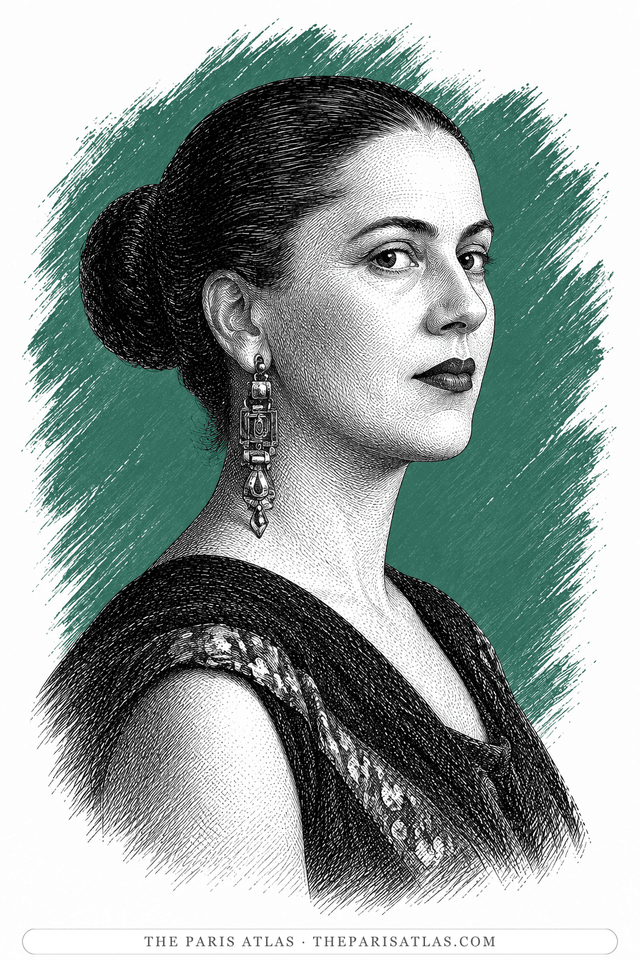
Brazilian painter who spent the 1920s moving between São Paulo and Paris, studied Cubism under André Lhote, Albert Gleizes and Fernand Léger, and used what she learned to paint Brazilian towns, railways, plants and bodies. Her 1928 painting Abaporu prompted the manifesto that gave the Anthropophagic movement its name.
View artist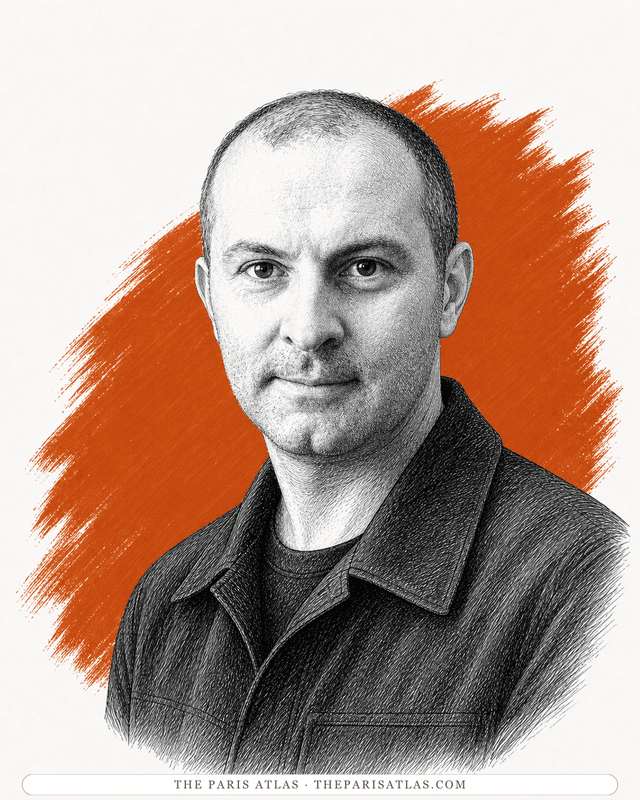
Arman
French-American artist, lifelong friend of Yves Klein, and a founder of New Realism.
View artist
Jean Arp
Strasbourg-born sculptor and poet — Hans in German, Jean in French, both all his life — who co-founded Dada at the Cabaret Voltaire in 1916, composed collages by dropping torn paper 'according to the laws of chance', and settled at Meudon outside Paris in a house his wife Sophie Taeuber-Arp designed.
View artist
References
The sources below include collection records, catalogues, scholarly research, and primary materials that informed this page. They document Promontory Palace, its making, and its place in cultural history.

1Promontory Palace, 1931
Official recordPeggy Guggenheim CollectionUsed forOfficial record used to verify names, dates, institutional details, or other factual information on this page.

2Yves Tanguy: biography and works
WebsitePeggy Guggenheim CollectionUsed forWeb source consulted for documented facts and historical context presented on the Promontory Palace page.
3Neither Legends nor Figures
Official recordMenil CollectionUsed forOfficial record used to verify names, dates, institutional details, or other factual information on this page.
4The history of Yves Tanguy's Neither Legends nor Figures
WebsiteMenil CollectionUsed forWeb source consulted for documented facts and historical context presented on the Promontory Palace page.
5Yves Tanguy: retrospective 1925–1955
WebsiteCentre PompidouUsed forWeb source consulted for documented facts and historical context presented on the Promontory Palace page.
These references provide the documented foundation for this work's history and interpretation. Claim-level citations remain attached to the specific claims they support.
 Explore more resources