Tom Tulliver
Maggie's older brother, honest, hard-working and unbending, who judges her by his own strict idea of right.
He wants to restore his father's name and win back the mill, and he wants his sister to behave.
The book
The Mill on the Floss
George Eliot
Who they are in the book
Spoiler-freeTom is thirteen at the start, a practical boy who hates Latin and loves fishing. He becomes the family's breadwinner at sixteen and pays off his father's debts. He loves Maggie but cannot bend. The novel is fair to him and still lets you see what his hardness costs her.
How Tom Tulliver Is Portrayed
- The rabbitsIn Book First, Chapter V, he comes home from school to find that his rabbits have died because Maggie forgot to feed them. He tells her he does not love her.
- Latin grammarIn Book Second, Chapter I, he struggles through Latin and geometry at Mr Stelling's and understands none of it.
- The swordIn Book Second, Chapter V, he shows off to Maggie with a borrowed sword, drops it on his foot and is badly hurt.
- The family BibleIn Book Third, Chapter IX, he writes in the family Bible, at his father's order, that he will make Wakem and his family feel it, if the day ever comes.
- Maggie's oathIn Book Fifth, Chapter V, he makes Maggie put her hand on their father's Bible and swear never to meet Philip in secret again.
- No home with meIn Book Seventh, Chapter I, when she comes back from Mudport, he tells her she will find no home with him.
Tom Tulliver quotes
In their death they were not divided.
The boat reappeared, but brother and sister had gone down in an embrace never to be parted; living through again in one supreme moment the days when they had clasped their little hands in love, and roamed the daisied fields together.
You will find no home with me. You have disgraced us all. You have disgraced my father’s name.
He wins back the mill. In the flood Maggie reaches him in a boat. He calls her by her childhood name, Magsie, and the two drown together in each other's arms.
If you like The Mill on the Floss


If you like George Eliot
Explore authors with a similar voice, perspective, and influence.
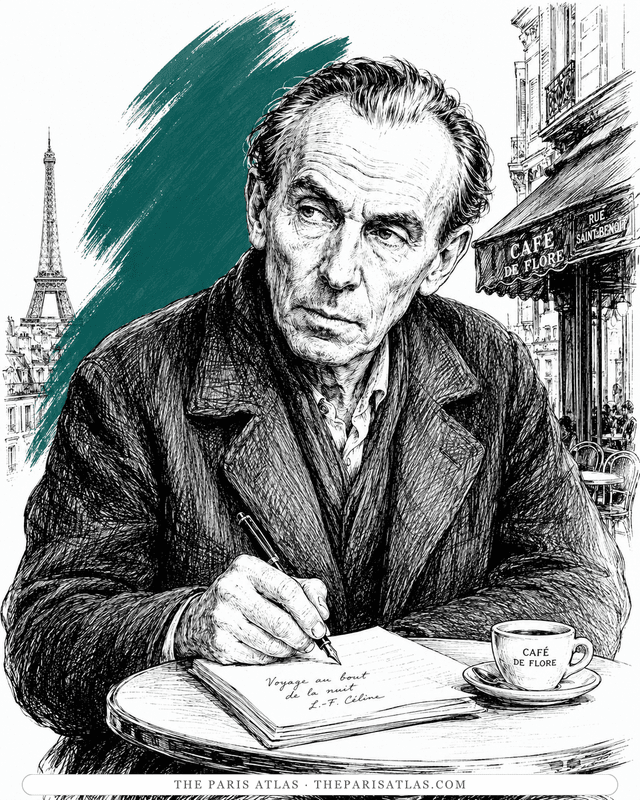
Louis-Ferdinand Céline
The doctor of the Paris slums who wrote the century's blackest, funniest novel — and changed the sound of French prose.
View author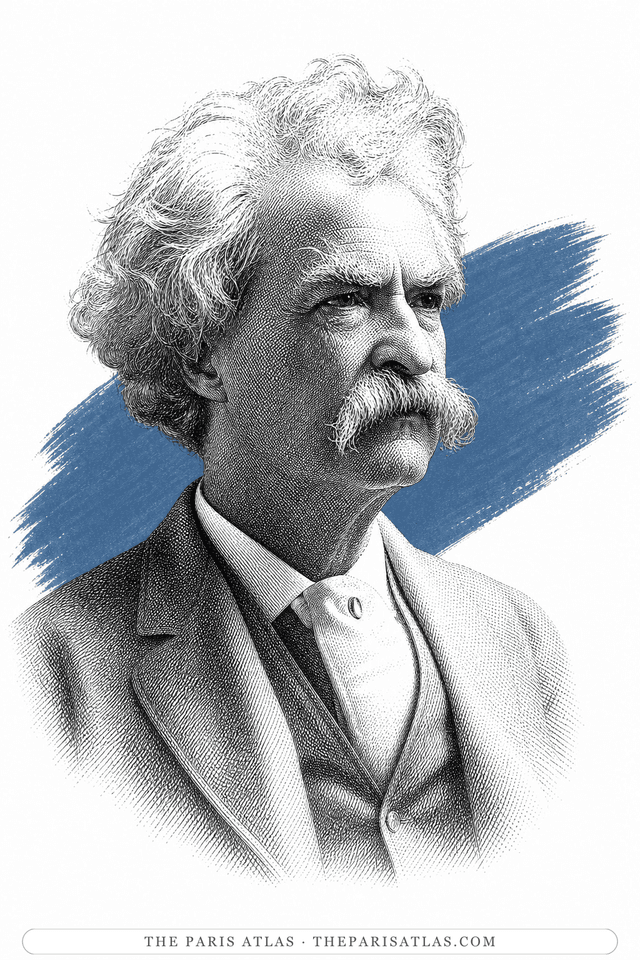
Mark Twain
The Missouri newspaperman who became America's most famous writer, and whose first book made its reputation partly out of Paris: in 1867 he arrived with a shipload of American tourists, renamed his guide Ferguson, watched the high-kicking can-can through his fingers and wrote it all down. He kept coming back — and was living in Paris in the mid-1890s, broke, while finishing the novel he considered his best, Personal Recollections of Joan of Arc.
View author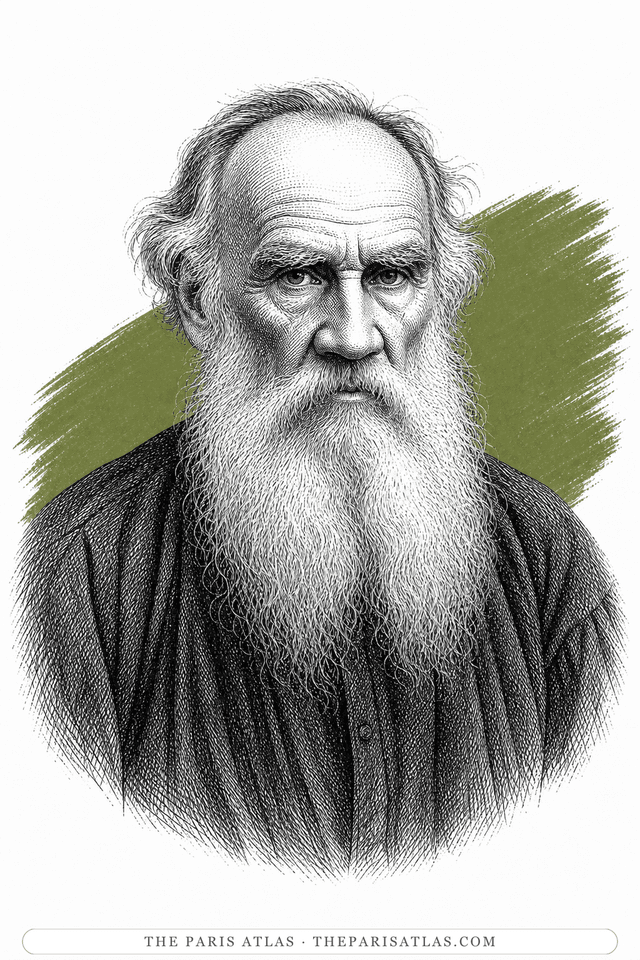
Leo Tolstoy
Russian novelist who wrote War and Peace and Anna Karenina, then renounced the life that produced them. He spent six weeks in Paris in 1857, and on one April morning went to watch a man beheaded in the street — an hour he said destroyed his belief in progress and in the state, and which he was still writing about twenty-two years later.
View author