Hercule Poirot
The famous Belgian detective, now a refugee living in the village on Mrs Inglethorp's charity, in his first case.
The last link, and the household in one room to hear it.
The book
The Mysterious Affair at Styles
Agatha Christie
At a glance
- The detective, a Belgian refugee living at Leastways Cottage
- From Chapter 2 to the end
Who they are in the book
Spoiler-freePoirot arrives in Chapter 2 as a small man with an egg-shaped head, a stiff military moustache and a limp, and Hastings introduces him as one of the most celebrated members of the Belgian police. He is one of a party of Belgian refugees whom Mrs Inglethorp has housed in the village, and he takes her murder personally. He is Belgian, and the household's tendency to call him French is corrected.
His habits are all here already. He straightens the ornaments on a mantelpiece when he is upset. He refuses to explain himself and is hurt when Hastings doubts him. He speaks of his little grey cells for the first time in Chapter 10. What he wants is the whole truth, including the parts that would let a guilty man go free if handled badly.
How Hercule Poirot Is Portrayed
- The figureHardly more than five feet four, with a head exactly the shape of an egg, and a moustache very stiff and military.
- The neatnessA speck of dust, Hastings says, would have caused him more pain than a bullet wound.
- The mantelpieceHe straightens the spill vases when agitated, a habit that later finds the evidence.
- The grey cellsTapping his forehead in Chapter 10, he says the affair must be unravelled from within.
- The refugeeOne of the Belgians Mrs Inglethorp housed in the village, in her debt and grieved by her death.
- The reticenceHe will not tell Hastings what he thinks, and Hastings takes it as a personal slight.
Hercule Poirot quotes
This affair must all be unravelled from within. These little grey cells. It is ‘up to them’ — as you say over here.
Poirot keeps Alfred Inglethorp out of the dock because an acquittal would have protected him for good. He finds the torn letter in the spill vase, proves the strychnine came from the tonic, and names Alfred and Evelyn Howard in the drawing room. He admits to Hastings that he let John Cavendish stand trial partly to bring John and Mary back together.
If you like The Mysterious Affair at Styles


If you like Agatha Christie
Explore authors with a similar voice, perspective, and influence.
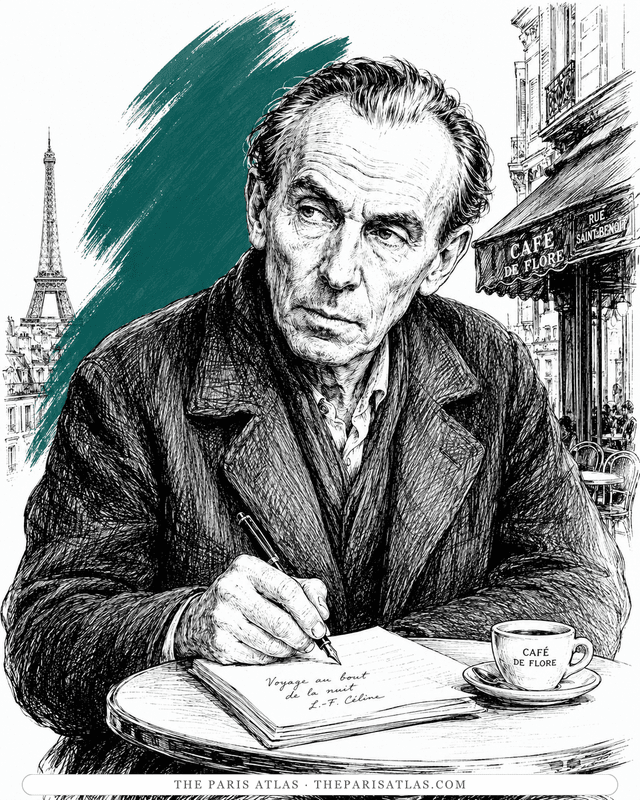
Louis-Ferdinand Céline
The doctor of the Paris slums who wrote the century's blackest, funniest novel — and changed the sound of French prose.
View author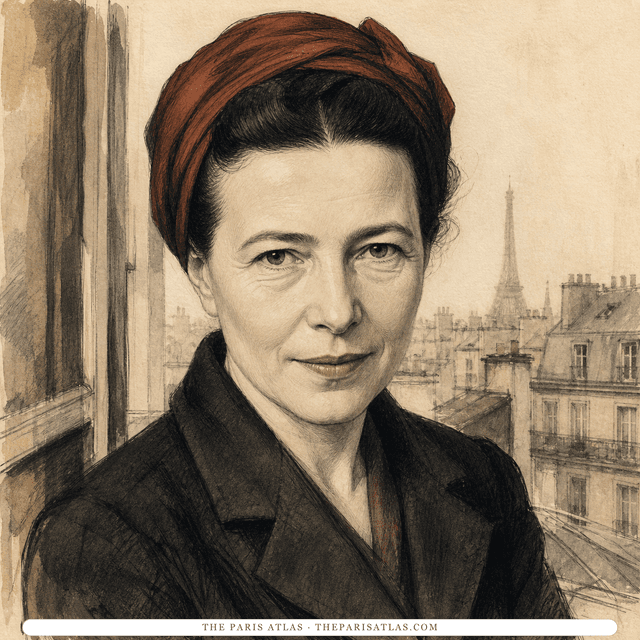
Simone de Beauvoir
French writer and philosopher whose novels, memoirs, and social analysis examined freedom, gender, responsibility, aging, and the material conditions that shape a life.
View author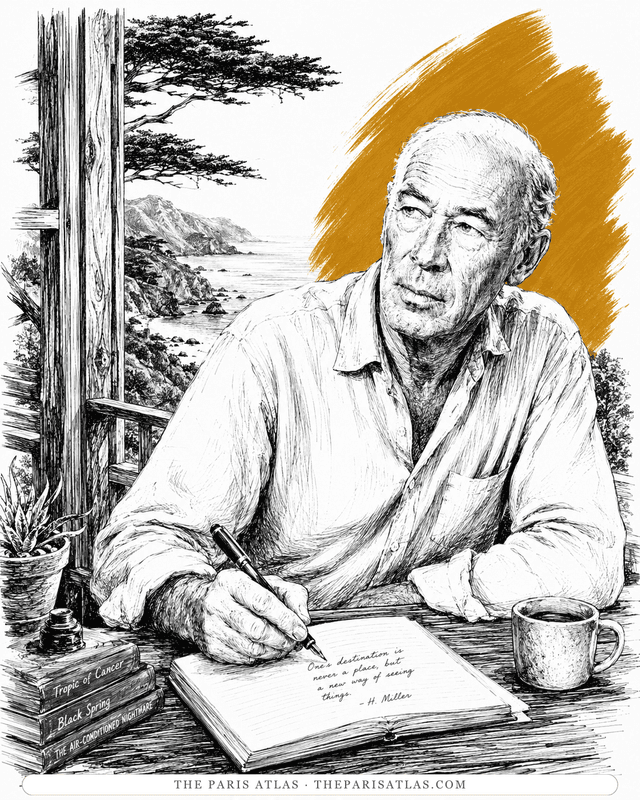
Henry Miller
The Brooklyn dropout who arrived in Paris broke at thirty-eight and wrote the exuberant, banned books that ended American censorship.
View author