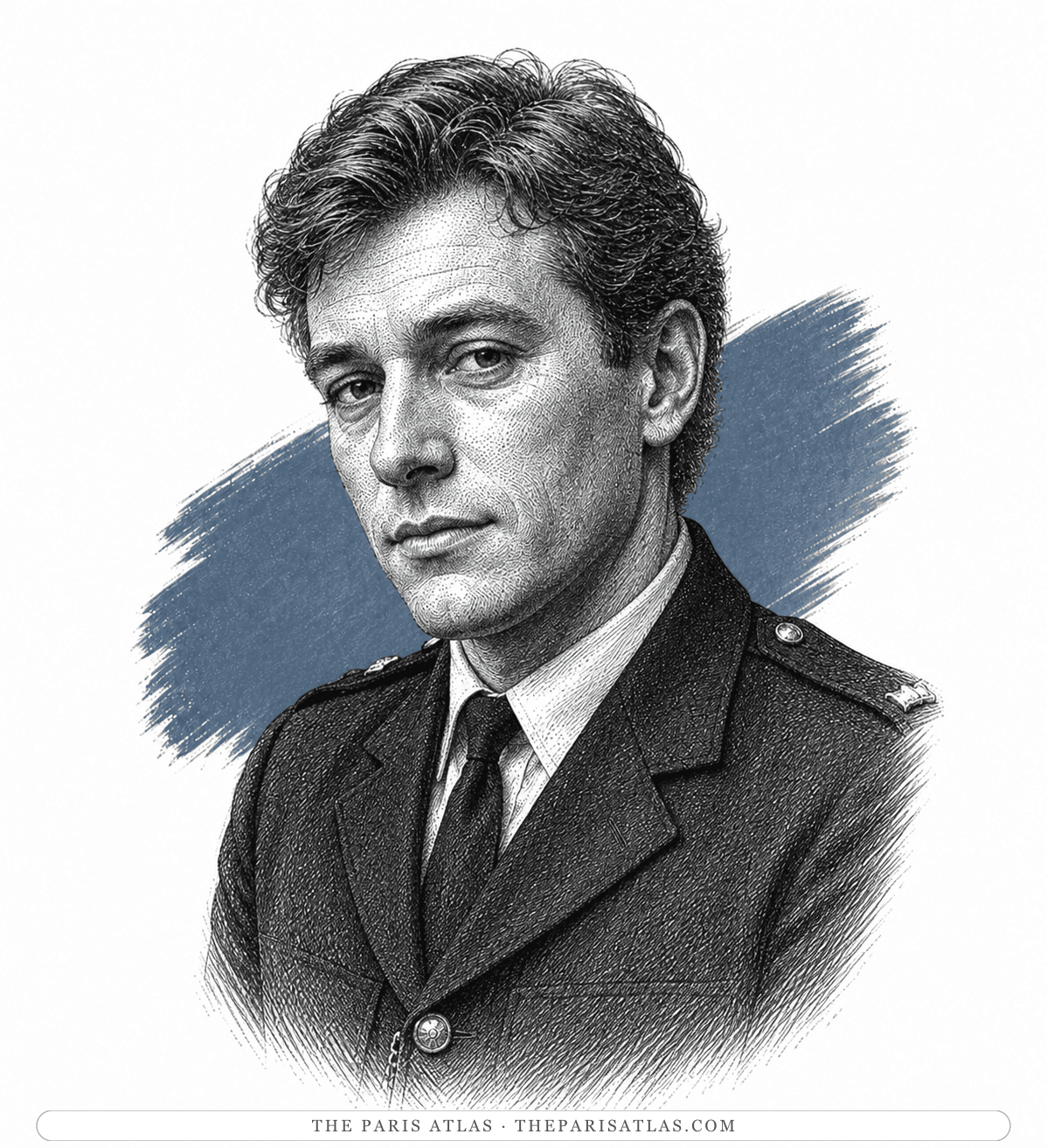
Colin
A gay policeman whose divided role exposes the overlap between queer life and policing.
To navigate homosexual private life while maintaining his place in law enforcement.
The book

Who they are in the book
Spoiler-freeColin is a gay policeman connected with Will.
His private life and official role pull in contradictory directions.
He becomes connected to the entrapment affecting James.
How Colin Is Portrayed
- OfficialUniform and institution shape his public authority.
- Privately knowingHe understands the gay world police continue to monitor.
- ContradictoryIdentity does not place him outside the policing system.
- Institutional linkHis role connects Will’s circle to James’s legal vulnerability.
If you like The Swimming-Pool Library


If you like Alan Hollinghurst
Explore authors with a similar voice, perspective, and influence.

Charles Bukowski
American poet and novelist of Los Angeles rooming houses, racetracks and the post office, who quit his job to write when a publisher offered him a hundred dollars a month. He came to Paris once, in September 1978, drank his way through a live television book programme and walked off the set — and French television has been replaying it ever since.
View author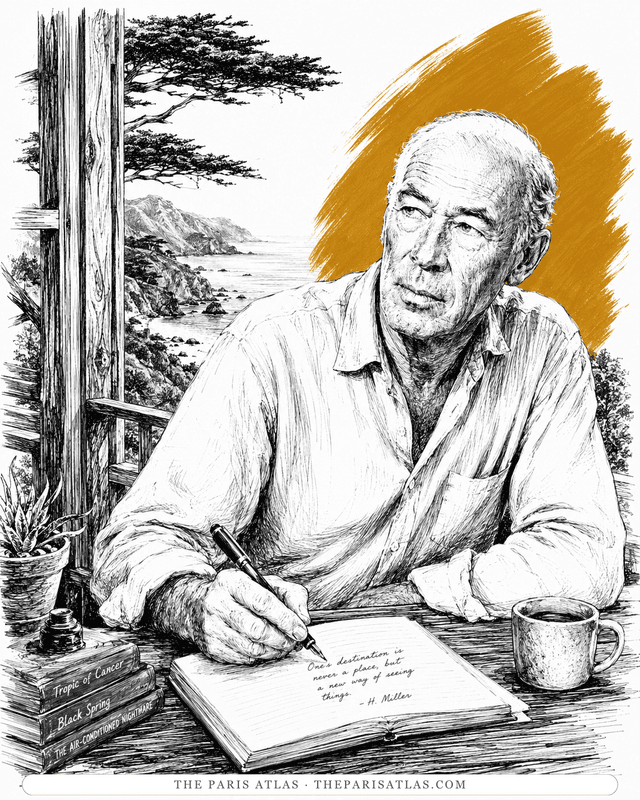
Henry Miller
The Brooklyn dropout who arrived in Paris broke at thirty-eight and wrote the exuberant, banned books that ended American censorship.
View author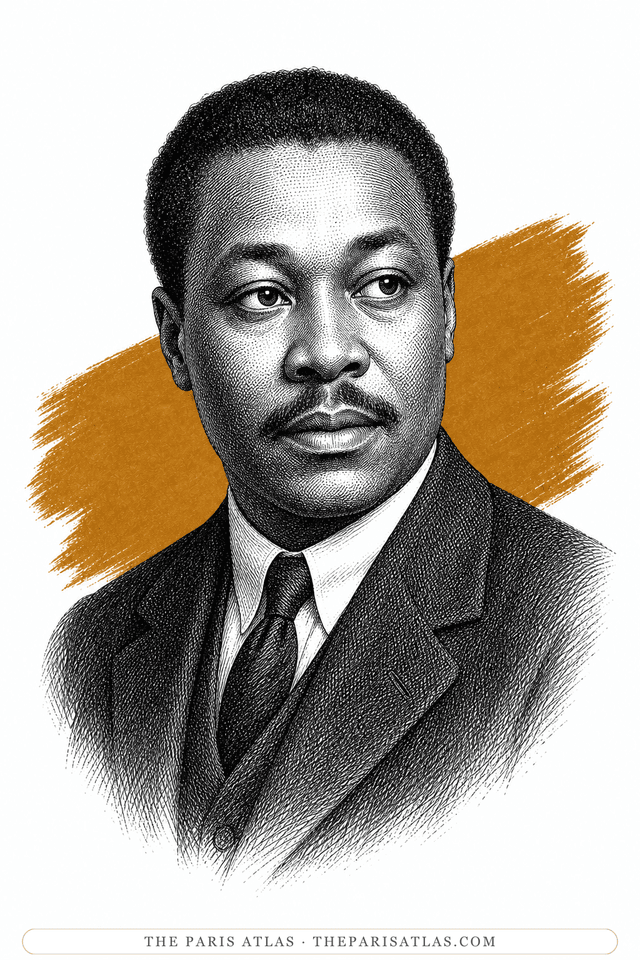
Claude McKay
Jamaican-born poet and novelist, and one of the essential writers of the Harlem Renaissance. He arrived in Paris from Moscow in 1923 and stayed in France until 1928, writing Home to Harlem there — and forming a low opinion of the rich, white expatriate scene that dominates most accounts of the period. His Paris is the same years as Hemingway's and almost nothing like it.
View author