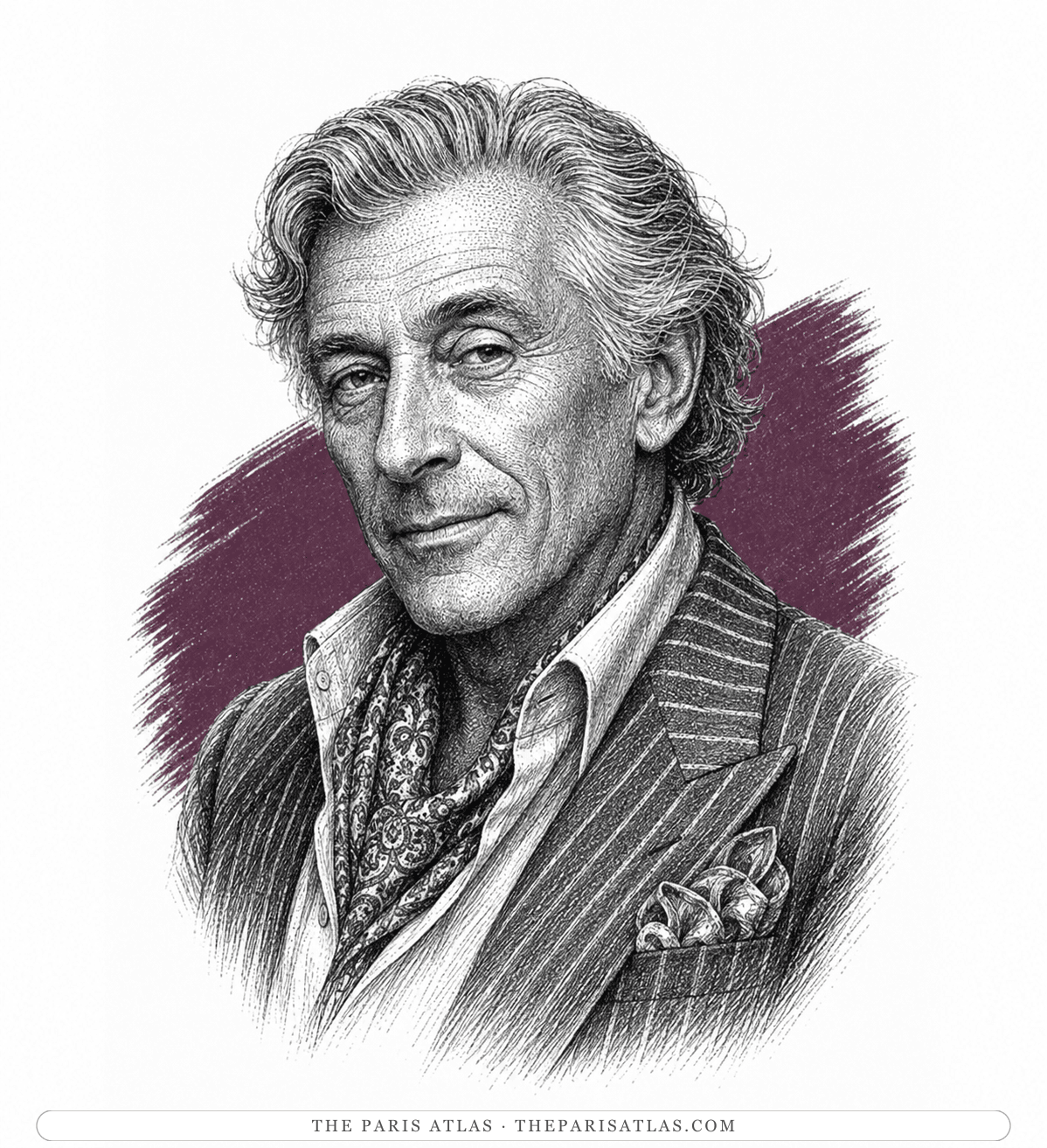
Ronald Staines
A society photographer connecting erotic images, camp, celebrity, and queer archives.
To create, collect, and enjoy stylish and erotic images while remaining central to his social world.
The book

Who they are in the book
Spoiler-freeStaines is a successful society photographer in Charles’s long gay social world.
He delights in gossip, visual style, erotic staging, and preserving images.
The final Firbank film is watched at his home.
How Ronald Staines Is Portrayed
- FlamboyantDress and speech make him socially vivid.
- VisualPhotography turns looking into profession and power.
- EroticizingHis images participate in the objectification of bodies.
- ArchivalHis home preserves film linking queer generations.
If you like The Swimming-Pool Library


If you like Alan Hollinghurst
Explore authors with a similar voice, perspective, and influence.
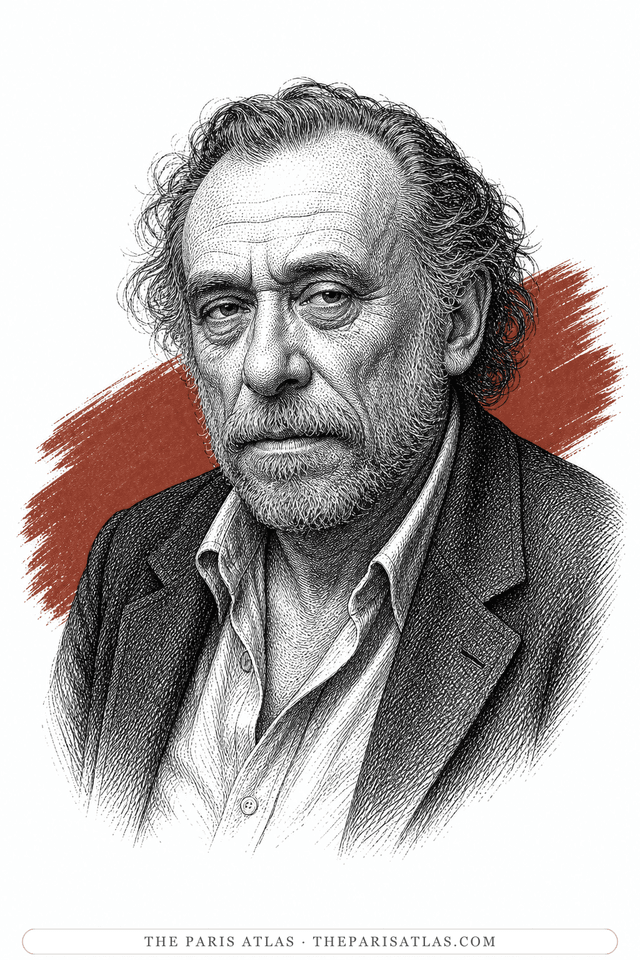
Charles Bukowski
American poet and novelist of Los Angeles rooming houses, racetracks and the post office, who quit his job to write when a publisher offered him a hundred dollars a month. He came to Paris once, in September 1978, drank his way through a live television book programme and walked off the set — and French television has been replaying it ever since.
View author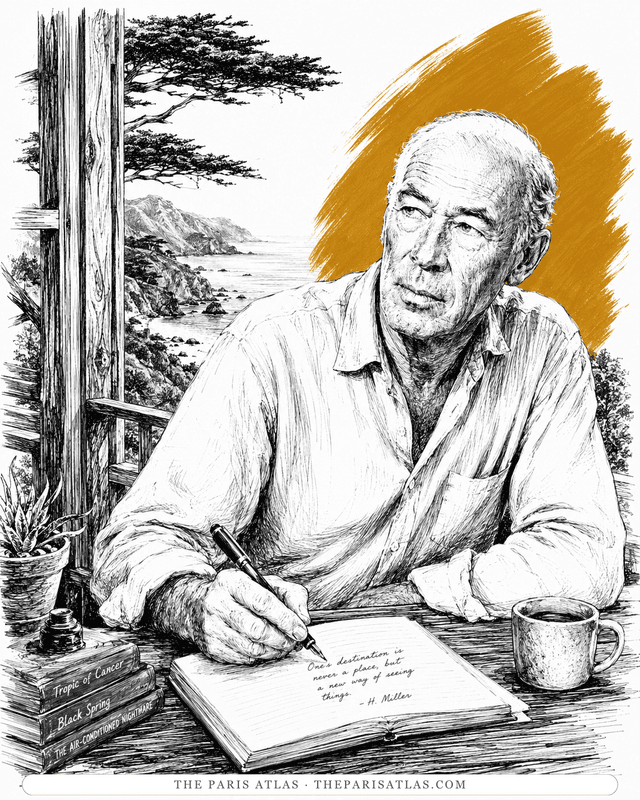
Henry Miller
The Brooklyn dropout who arrived in Paris broke at thirty-eight and wrote the exuberant, banned books that ended American censorship.
View author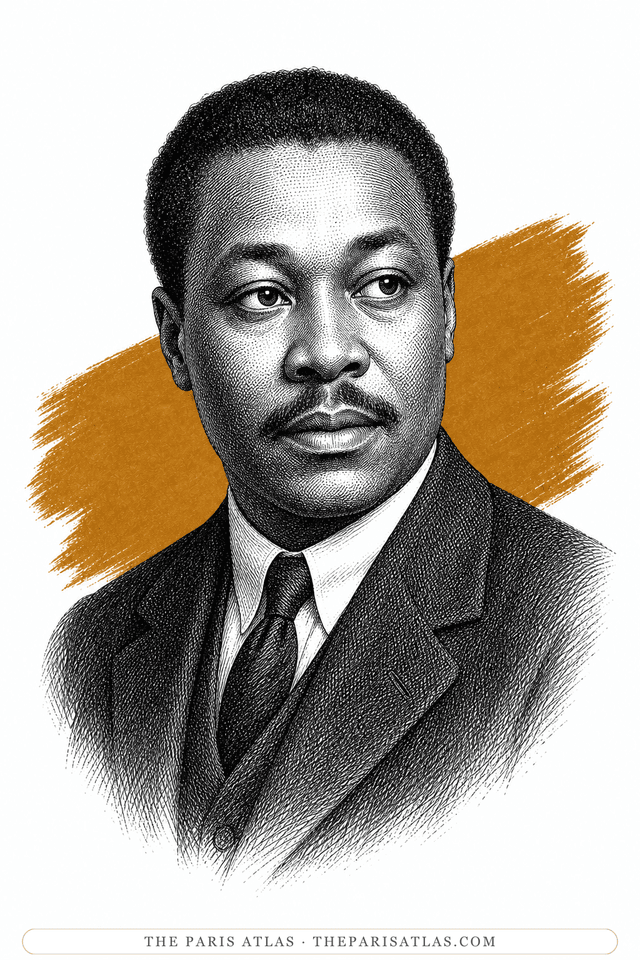
Claude McKay
Jamaican-born poet and novelist, and one of the essential writers of the Harlem Renaissance. He arrived in Paris from Moscow in 1923 and stayed in France until 1928, writing Home to Harlem there — and forming a low opinion of the rich, white expatriate scene that dominates most accounts of the period. His Paris is the same years as Hemingway's and almost nothing like it.
View author