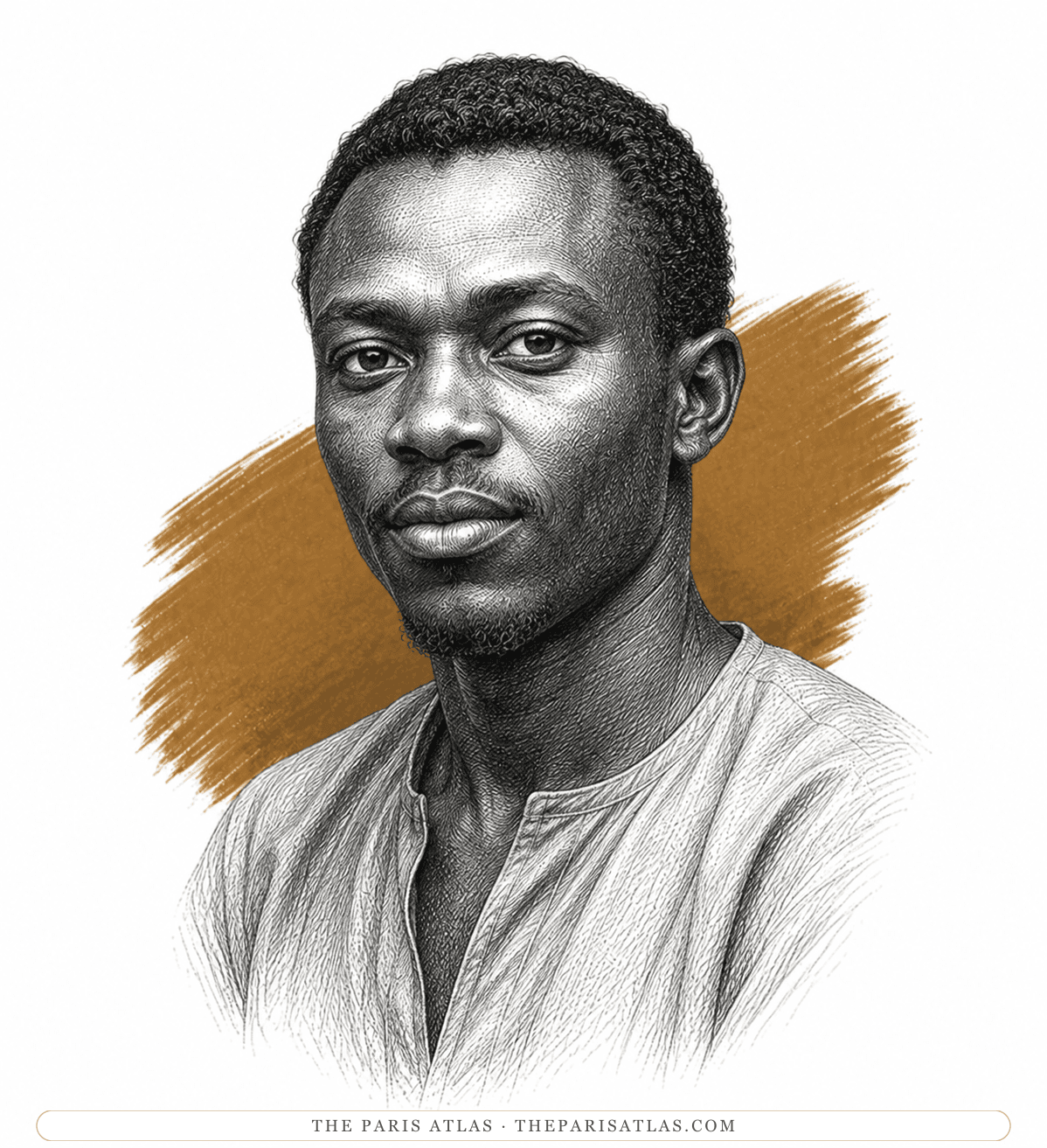
Taha
The African man Charles loved, whose story joins desire to colonial inequality and racist violence.
A life and attachments of his own within the unequal colonial world Charles records.
The book

Who they are in the book
Spoiler-freeTaha is an African man Charles loves during his colonial years.
His life and attachment exist within unequal imperial structures.
The diaries preserve his importance while also showing the limits of Charles’s point of view.
How Taha Is Portrayed
- Loved by CharlesHe holds a central place in the older man’s memory.
- Colonially constrainedRace and empire shape the relationship’s possibilities.
- IndividualizedHe matters as more than a symbol in Charles’s history.
- Victim of racist violenceHis death exposes the lethal structure surrounding the romance.
Charles learns that Taha was beaten to death.
The book presents the killing as racially motivated violence.
If you like The Swimming-Pool Library


If you like Alan Hollinghurst
Explore authors with a similar voice, perspective, and influence.
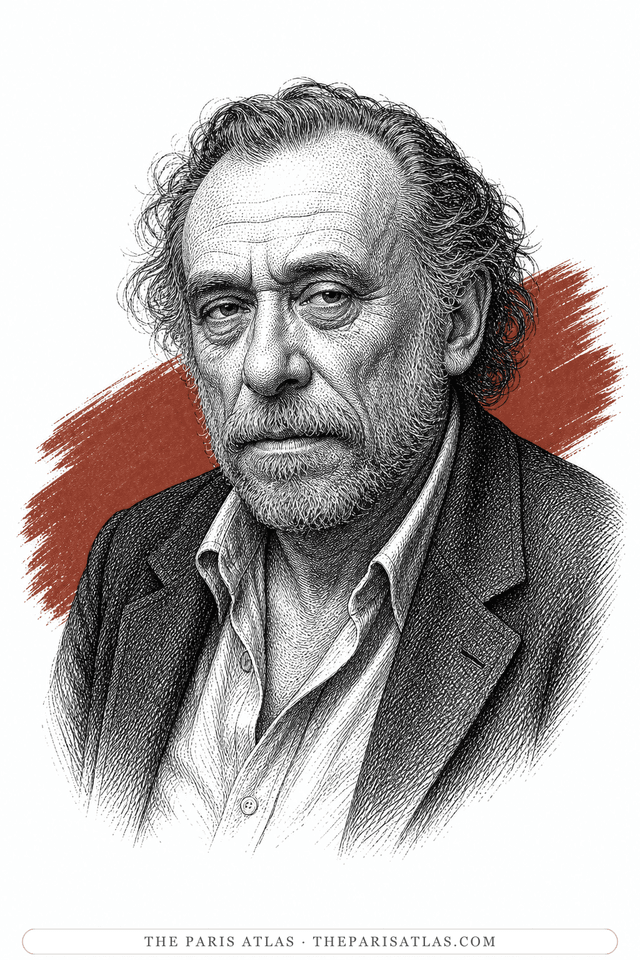
Charles Bukowski
American poet and novelist of Los Angeles rooming houses, racetracks and the post office, who quit his job to write when a publisher offered him a hundred dollars a month. He came to Paris once, in September 1978, drank his way through a live television book programme and walked off the set — and French television has been replaying it ever since.
View author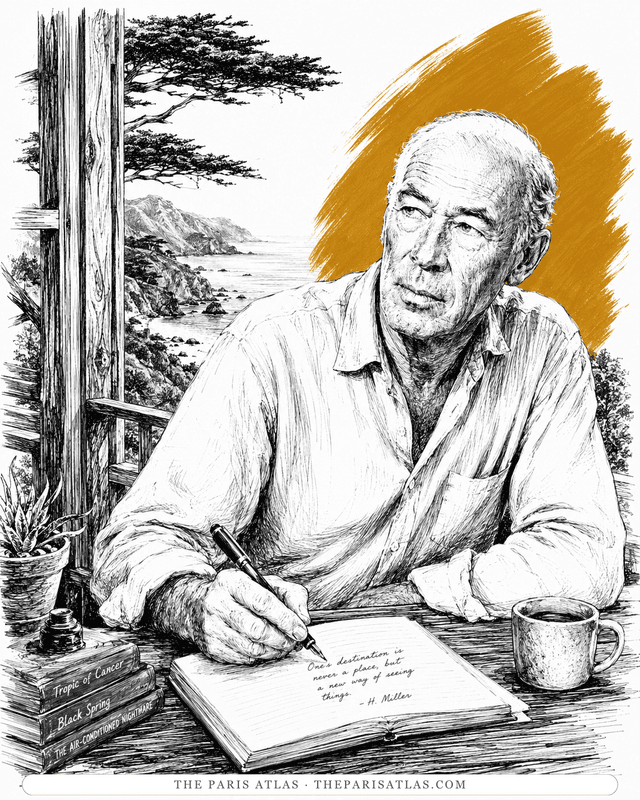
Henry Miller
The Brooklyn dropout who arrived in Paris broke at thirty-eight and wrote the exuberant, banned books that ended American censorship.
View author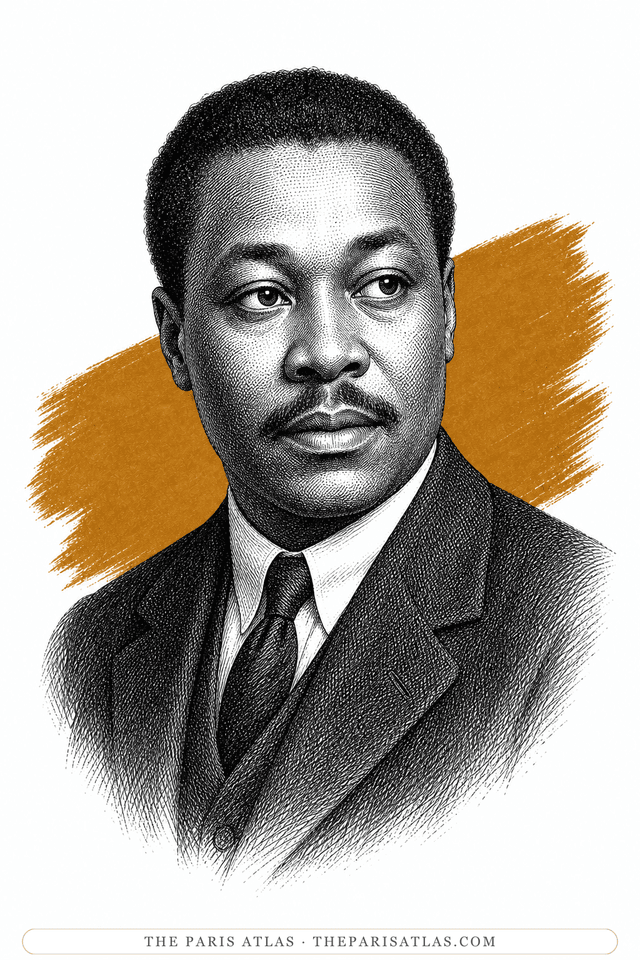
Claude McKay
Jamaican-born poet and novelist, and one of the essential writers of the Harlem Renaissance. He arrived in Paris from Moscow in 1923 and stayed in France until 1928, writing Home to Harlem there — and forming a low opinion of the rich, white expatriate scene that dominates most accounts of the period. His Paris is the same years as Hemingway's and almost nothing like it.
View author