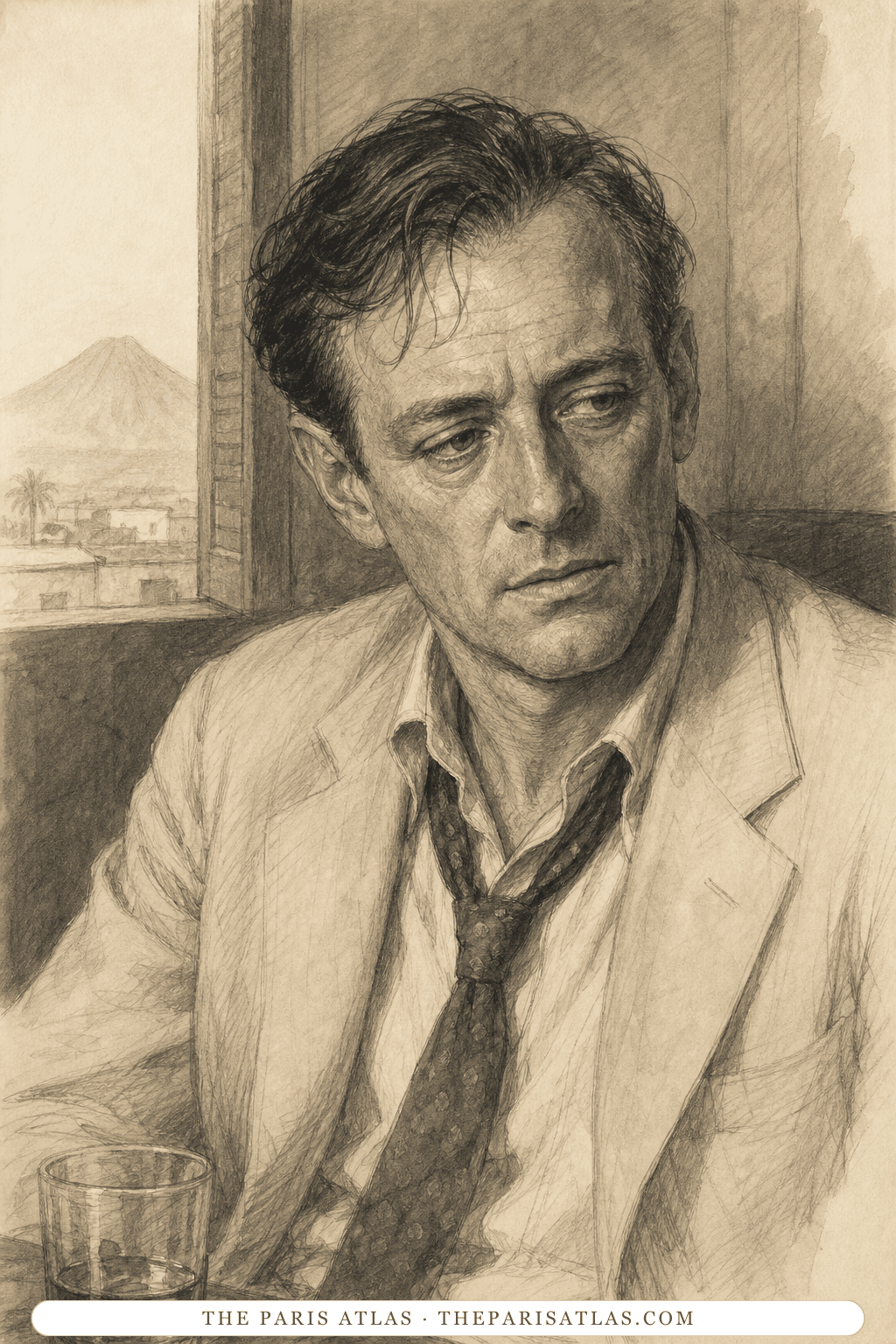
Geoffrey Firmin
The former British consul whose severe alcohol addiction turns Yvonne’s return into the final crisis of his life.
To escape pain and judgment through alcohol while still keeping Yvonne’s love—two desires that the final day proves he cannot satisfy together.
The book

At a glance
- British
- British consul in Quauhnahuac
- Yvonne Firmin
- Older half-brother of Hugh Firmin
- Calle Nicaragua, Quauhnahuac
Who they are in the book
Spoiler-freeGeoffrey Firmin is a former British consul living in Quauhnahuac. Nearly everyone calls him the Consul even though he no longer holds the post. He is highly educated, quick with languages and literary references, and capable of great charm. He is also in the advanced stages of alcohol addiction.
His drinking now organizes his entire day. He hides bottles, drinks to steady withdrawal symptoms, hears persuasive inner voices he calls familiars, and turns conversations into reasons for another drink. He understands much of what is happening to him but uses that intelligence to explain, delay, and escape rather than change.
Yvonne’s return gives Geoffrey the chance he once begged for. He loves her and can imagine their proposed life in Canada, but accepting it would require him to trust her, face old betrayals, and give up the refuge of intoxication. He repeatedly chooses the refuge.
How Geoffrey Firmin Is Portrayed
- Known as the ConsulThe old diplomatic title has become his public identity even after the position itself has ended.
- Brilliant and allusiveHis thoughts move rapidly among literature, religion, politics, languages, jokes, and private memories.
- Physically dependentMorning tremors, fear, confusion, and the search for hidden liquor show that drinking is no longer voluntary recreation.
- Funny as a defenseWordplay and theatrical wit let him charm other people and avoid answering what they have actually asked.
- Jealous with causeYvonne’s relationships with Hugh and Laruelle were real, but Geoffrey enlarges them into an explanation for every present failure.
- Aware but unable to actHe sees possible routes back to Yvonne and recognizes the danger ahead, yet insight never becomes sustained choice.
Geoffrey leaves Yvonne and Hugh and goes to the Farolito. There he receives Yvonne’s old letters, continues drinking, and is questioned by armed men who find Hugh’s political telegram in the jacket Geoffrey is wearing.
The men rob and shoot him, then throw his body into the ravine behind the cantina. His political danger is real, but his decisions have carried him to the place where that danger can reach him. His final thoughts turn the ravine into the hell and volcanic descent he has imagined all day.
If you like Under the Volcano


If you like Malcolm Lowry
Explore authors with a similar voice, perspective, and influence.
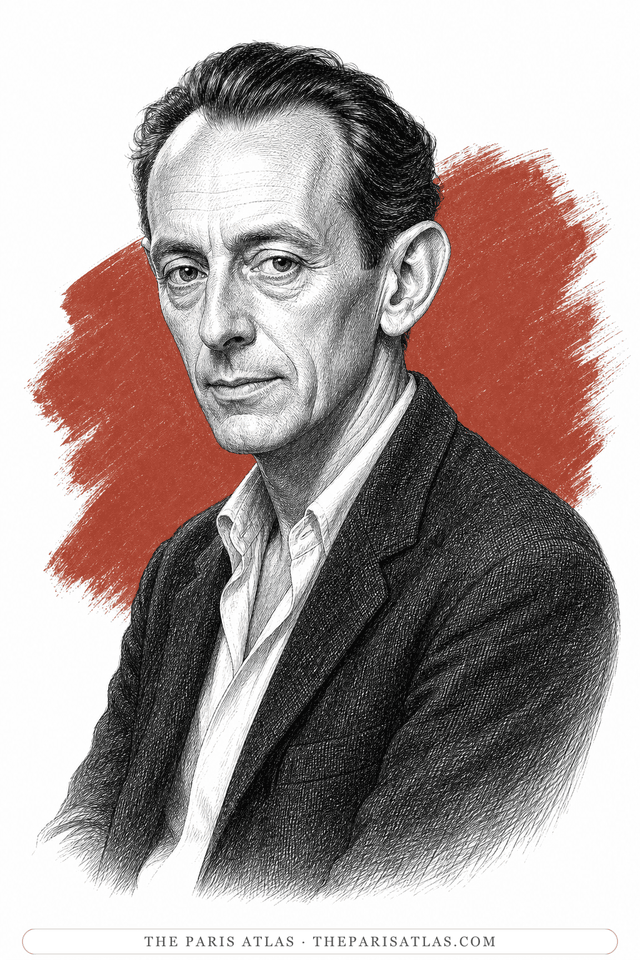
Paul Bowles
American novelist and composer whose expatriate fiction explores dislocation, unstable intimacy, fatalism, and North Africa.
View author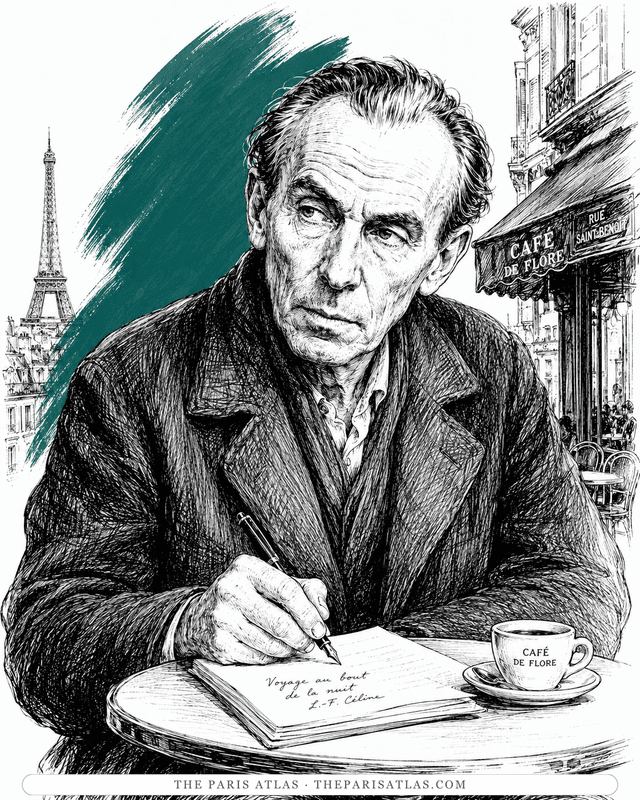
Louis-Ferdinand Céline
The doctor of the Paris slums who wrote the century's blackest, funniest novel — and changed the sound of French prose.
View author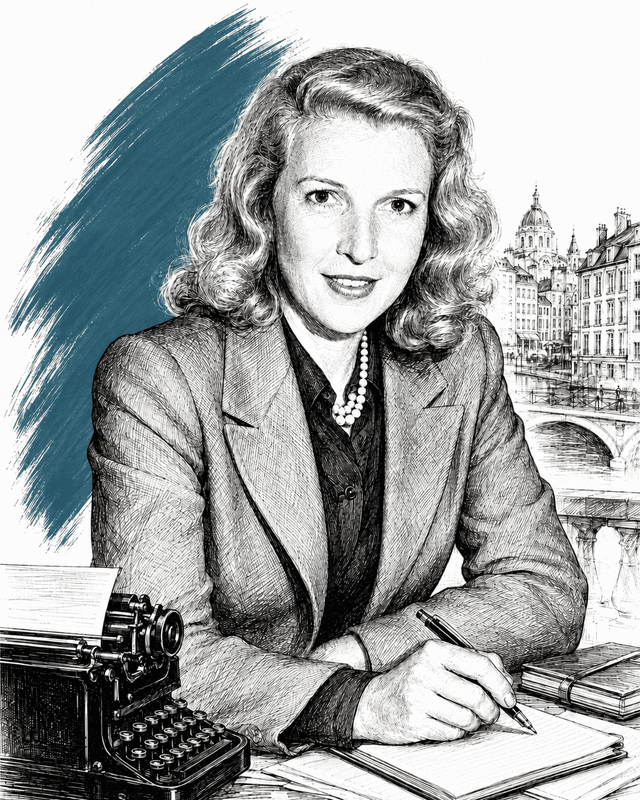
Martha Gellhorn
War correspondent who covered the Spanish Civil War, D-Day, and conflicts across five more decades; Hemingway's third wife, 1940–1945.
View author