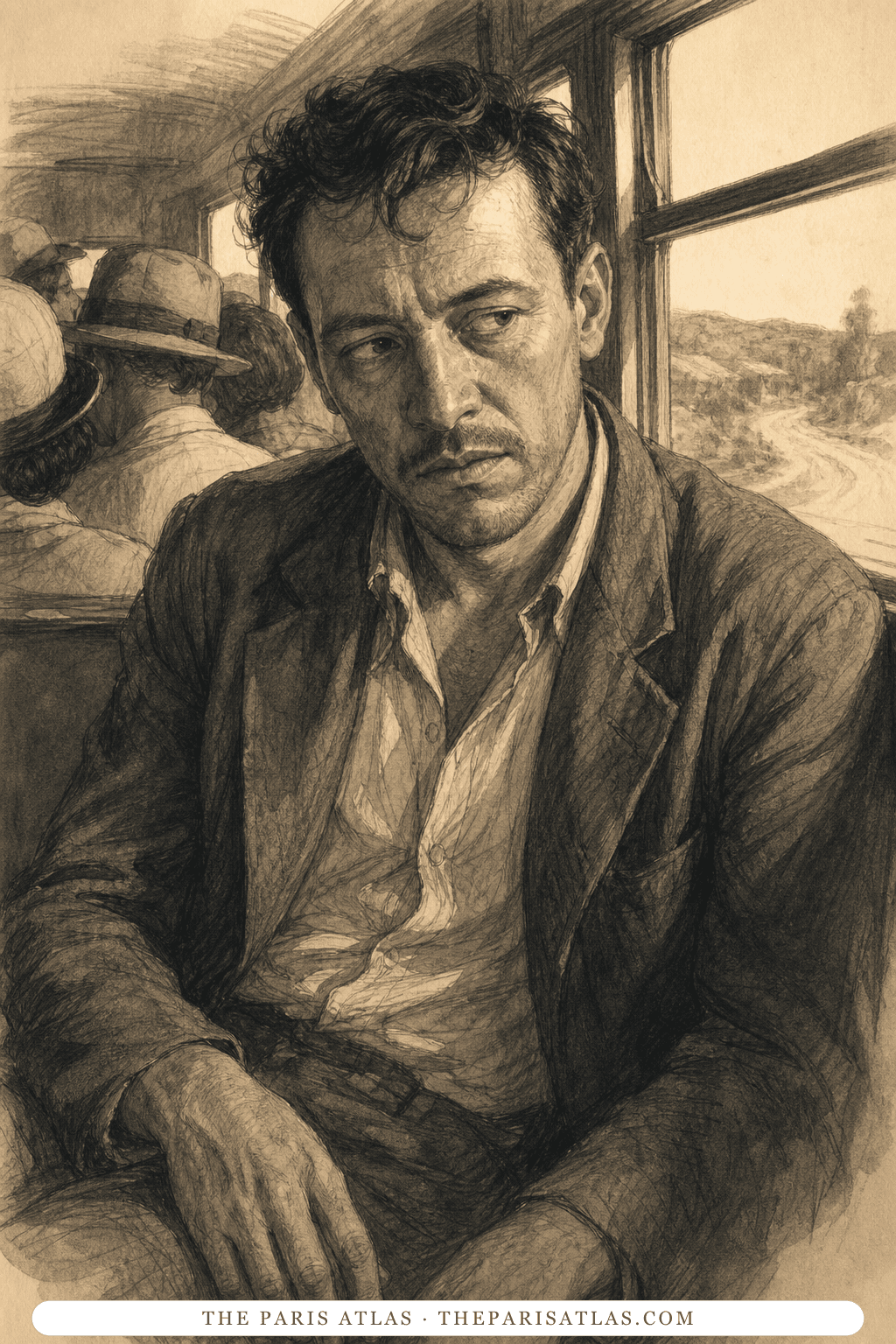
The Pelado
The drunken bus passenger who turns collective hesitation into direct exploitation by stealing from the injured man.
To take whatever immediate advantage the roadside confusion offers while avoiding blame or police attention.
The book

At a glance
- Unnamed bus passenger
- Drunk
- Bus to Tomalín
- Steals the injured man’s money
Who they are in the book
Spoiler-freeThe pelado is an unnamed, drunken passenger on the bus to Tomalín. The label is a social description rather than a personal name. He appears comic and unsteady until the bus stops beside the wounded man.
He kneels, lifts the man’s hat, and reveals the head injury. He then takes the silver pesos and centavos hidden near the man’s collar. Back on the bus, he handles the stolen coins openly while acting as if his concern for the victim excuses what he has done.
Theft makes him easy to condemn, but the scene does not let the other passengers escape judgment. They may not take the money, yet their delay, fear, and theories leave the injured man open to exactly this kind of abuse.
How The Pelado Is Portrayed
- UnnamedHe is identified by a class-marked nickname rather than a personal history.
- Drunk and theatricalHis gestures move between apparent sympathy, helplessness, and a performance meant for watching foreigners.
- Quick to exploitHe sees the money and takes it while everyone else is still debating what can legally be done.
- A visible wrong among quieter failuresHis theft is direct, but it occurs inside a larger group decision to leave a dying person behind.
The pelado finds the pesos and centavos hidden near the injured man’s collar. He later displays the blood-marked coins in his hand and gradually pockets them.
No one stops him. His small theft becomes a concentrated version of the scene’s larger abandonment: everyone can see harm occurring, but each person finds a reason not to take responsibility.
If you like Under the Volcano


If you like Malcolm Lowry
Explore authors with a similar voice, perspective, and influence.
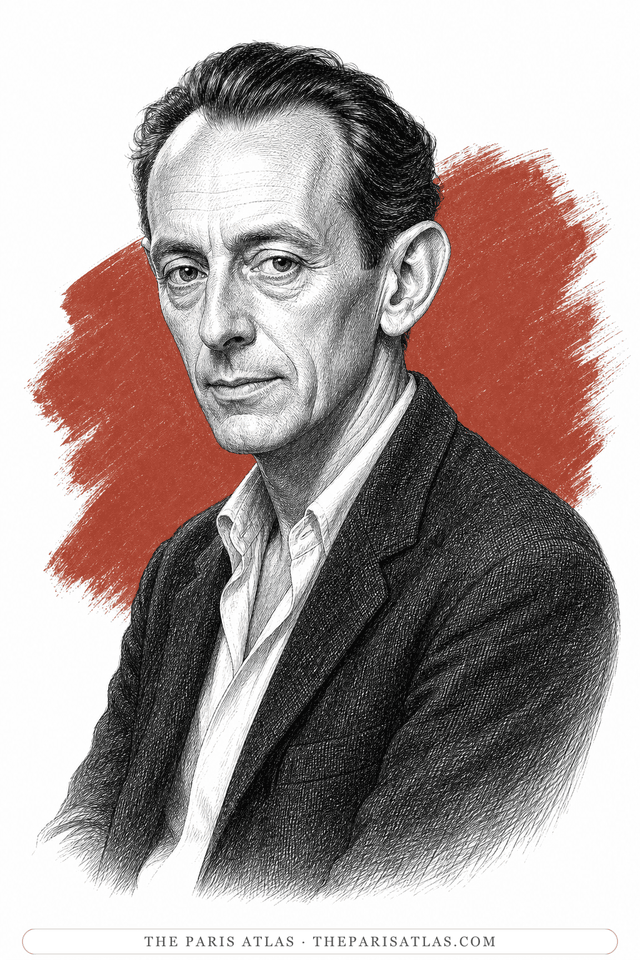
Paul Bowles
American novelist and composer whose expatriate fiction explores dislocation, unstable intimacy, fatalism, and North Africa.
View author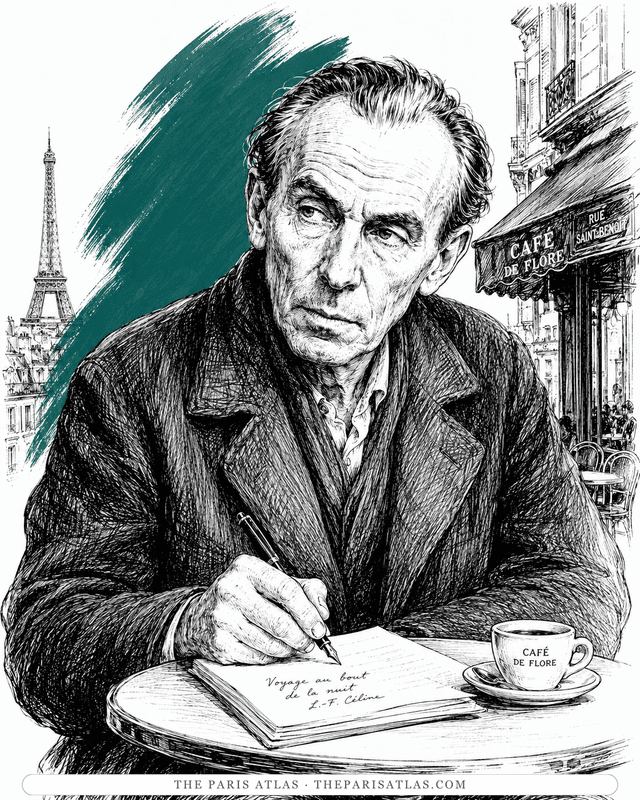
Louis-Ferdinand Céline
The doctor of the Paris slums who wrote the century's blackest, funniest novel — and changed the sound of French prose.
View author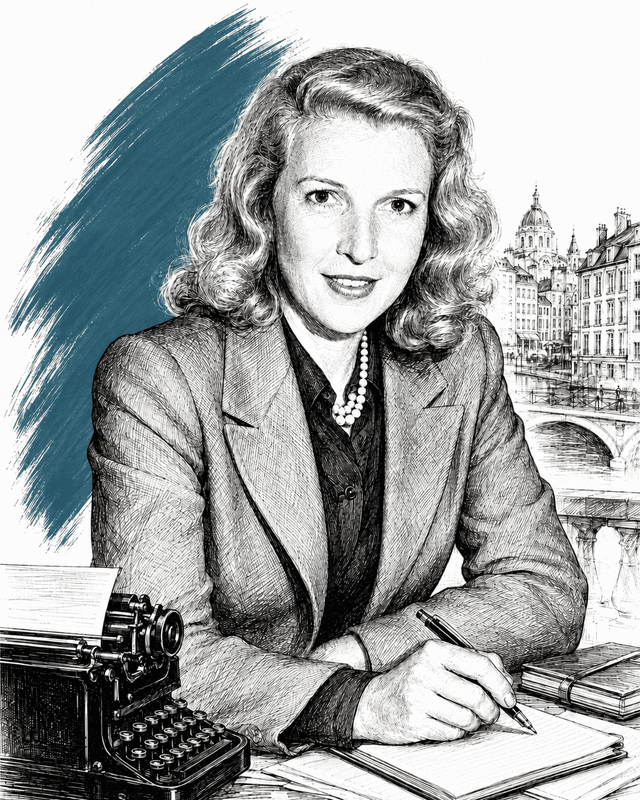
Martha Gellhorn
War correspondent who covered the Spanish Civil War, D-Day, and conflicts across five more decades; Hemingway's third wife, 1940–1945.
View author