Betsey Trotwood
David's fierce great-aunt at Dover. She walks out on his birth because he is a boy, and takes him in ten years later.
She wants to protect the people she has decided are hers, and to keep donkeys off her grass.
The book
David Copperfield
Charles Dickens
Who they are in the book
Spoiler-freeBetsey Trotwood is abrupt, generous and at war with donkeys. She is also the adult in the book who does the most to rescue David.
How Betsey Trotwood Is Portrayed
- Expecting a girlIn Chapter 1 she arrives on the night of David's birth, announces the baby will be a girl called Betsey Trotwood Copperfield, and leaves when she is told it is a boy.
- Janet! Donkeys!In Chapter 13 she keeps rushing out of the house at Dover, shouting for her servant Janet, to drive donkey riders off the patch of grass in front of her cottage.
- Asking Mr DickIn Chapter 13 she asks her lodger Mr Dick what she should do with the ragged boy on her sofa. He considers, and says he should wash him.
- Facing the MurdstonesIn Chapter 14 she refuses to hand David back to the Murdstones and tells them exactly what she thinks of them. Then she renames him Trotwood Copperfield.
- RuinedIn Chapter 34 she turns up at David's London rooms surrounded by luggage, with her two birds and her cat, and tells him she is ruined.
- My property!In Chapter 52, when Micawber exposes Heep, she seizes Uriah by the collar with both hands and demands her property back.
Betsey Trotwood quotes
Janet! Donkeys!
In the last chapter she is godmother to a real, living Betsey Trotwood, David and Agnes's daughter.
If you like David Copperfield


If you like Charles Dickens
Explore authors with a similar voice, perspective, and influence.
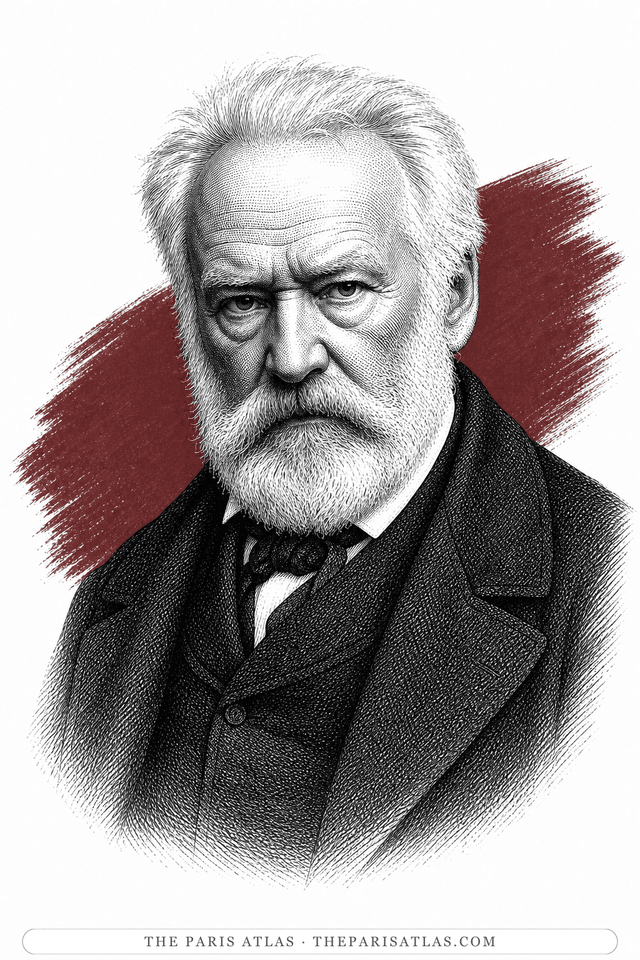
Victor Hugo
Poet, novelist and playwright who spent sixteen years in an apartment on the Place des Vosges that is now his museum, wrote a novel about Notre-Dame that shamed France into repairing the cathedral, spent nineteen years in exile for opposing the emperor Napoleon III, and was buried in the Panthéon — the Paris monument where France buries its most honoured dead — in 1885 after a funeral that brought roughly two million people into the streets of Paris.
View author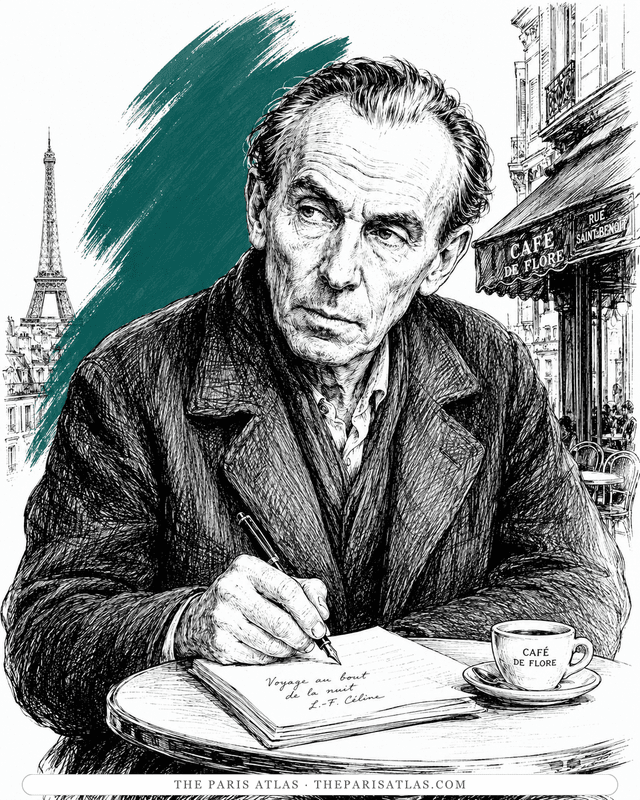
Louis-Ferdinand Céline
The doctor of the Paris slums who wrote the century's blackest, funniest novel — and changed the sound of French prose.
View author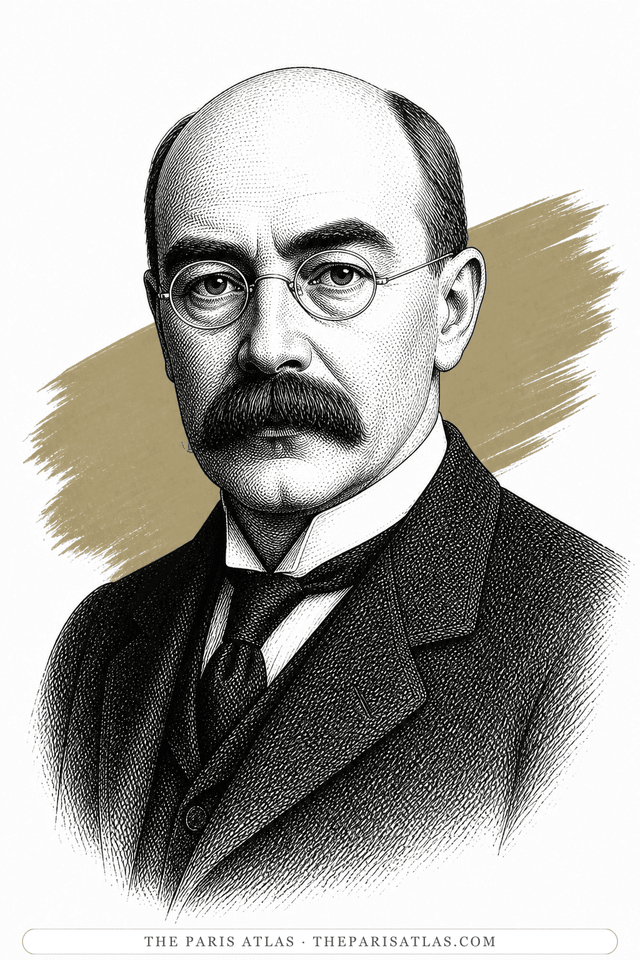
Rudyard Kipling
The English writer of the Jungle Books, Kim and Just So Stories, and in 1907 the first author writing in English to win the Nobel Prize in Literature. His love of France began at twelve, when his father turned him loose alone in the Paris Exhibition of 1878 with two francs a day; it ended with the war-graves work that kept him crossing the Channel after his only son was killed at Loos, and with a small French book, Souvenirs of France, published in Paris in 1933.
View author