Mr Micawber
Wilkins Micawber, David's landlord in London, grand in speech and always in debt, always sure that something will turn up.
He wants to be solvent and respected, and he believes the next opportunity will make him both.
The book
David Copperfield
Charles Dickens
Who they are in the book
Spoiler-freeMr Micawber is a comic figure with a real life behind him. Dickens's own father was imprisoned for debt, as Micawber is, and the novel lets him be ridiculous and brave by turns.
How Mr Micawber Is Portrayed
- In case anything turned upIn Chapter 11 David describes him weeping that nothing is left but jail, then going to bed working out the cost of bow windows. Something turning up was his favourite expression.
- Advice from the King's BenchIn Chapter 11, locked up in the King's Bench prison for debt, he weeps with David and warns him that a man with twenty pounds a year who spends a sixpence less is happy, and a shilling more is miserable. Then he borrows a shilling for beer.
- The formal versionIn Chapter 12, before the family leaves for Plymouth, he gives David the rule again as a set piece, ending with the god of day going down and him being for ever floored.
- He turns upIn Chapter 17, called Somebody Turns Up, he walks past the open door of the Heeps' house in Canterbury while David is at tea, looks in, and walks in with his eyeglass and his walking stick.
- Clerk to HeepIn Chapter 36 he announces he has answered an advertisement and taken a post as clerk to his friend Heep.
- The explosionIn Chapter 52 he reads out a long letter in Canterbury that ends his employer, naming the man behind every fraud as HEEP, in capitals.
Mr Micawber quotes
Annual income twenty pounds, annual expenditure nineteen nineteen and six, result happiness. Annual income twenty pounds, annual expenditure twenty pounds ought and six, result misery.
The Micawbers emigrate to Australia. In the last chapter the Port Middlebay Times reports a public dinner for Wilkins Micawber, district magistrate.
If you like David Copperfield


If you like Charles Dickens
Explore authors with a similar voice, perspective, and influence.
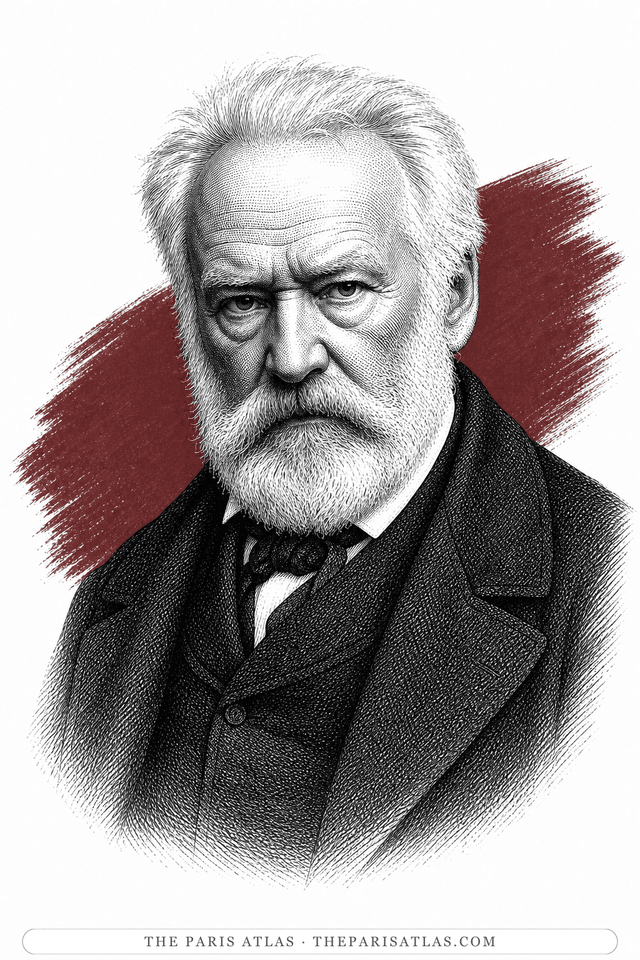
Victor Hugo
Poet, novelist and playwright who spent sixteen years in an apartment on the Place des Vosges that is now his museum, wrote a novel about Notre-Dame that shamed France into repairing the cathedral, spent nineteen years in exile for opposing the emperor Napoleon III, and was buried in the Panthéon — the Paris monument where France buries its most honoured dead — in 1885 after a funeral that brought roughly two million people into the streets of Paris.
View author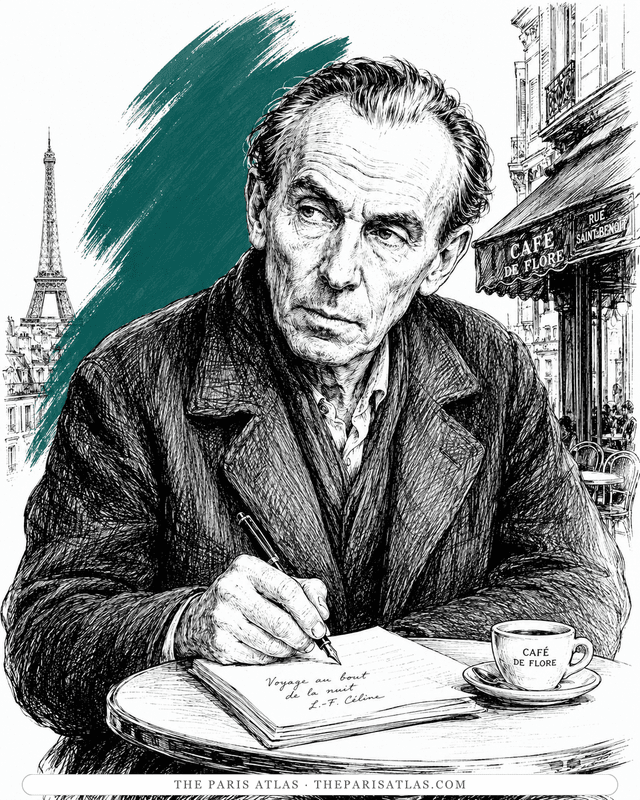
Louis-Ferdinand Céline
The doctor of the Paris slums who wrote the century's blackest, funniest novel — and changed the sound of French prose.
View author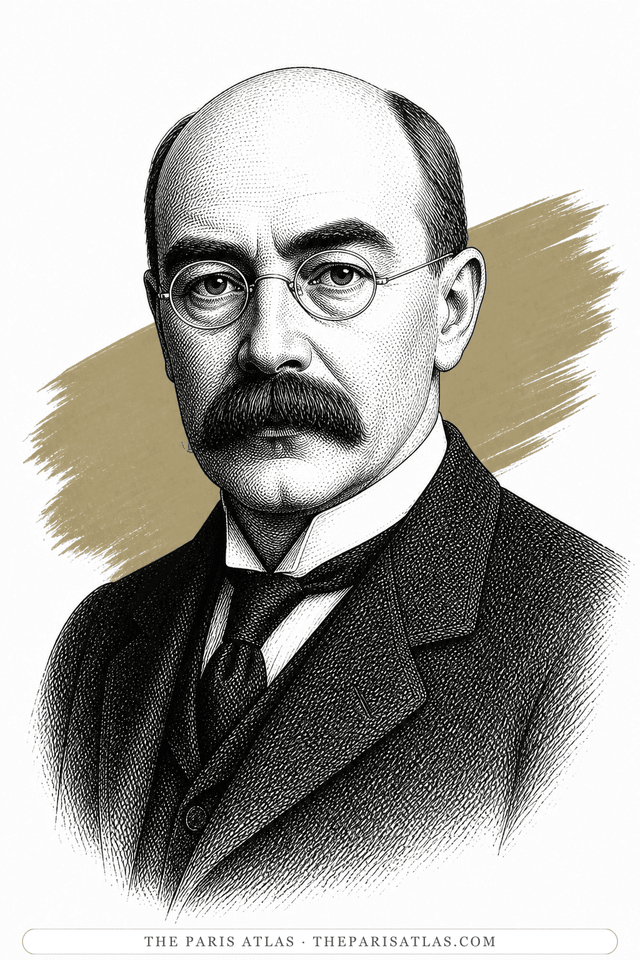
Rudyard Kipling
The English writer of the Jungle Books, Kim and Just So Stories, and in 1907 the first author writing in English to win the Nobel Prize in Literature. His love of France began at twelve, when his father turned him loose alone in the Paris Exhibition of 1878 with two francs a day; it ended with the war-graves work that kept him crossing the Channel after his only son was killed at Loos, and with a small French book, Souvenirs of France, published in Paris in 1933.
View author