Uriah Heep
Mr Wickfield's clerk in Canterbury, red-haired, cold-handed and forever saying how umble he is. He wants the firm and he wants Agnes.
He wants power over the people who have looked down on him, the Wickfield firm, and Agnes Wickfield.
The book
David Copperfield
Charles Dickens
Who they are in the book
Spoiler-freeUriah Heep makes a show of humility and uses it as a weapon. He has learned, he tells David, that the humble get on, and he means to get on.
How Uriah Heep Is Portrayed
- A face at the windowIn Chapter 15 David sees a cadaverous face at a small window of Mr Wickfield's house. Uriah is about fifteen, red-haired, cropped close, with hardly any eyebrows and no eyelashes.
- A very umble personIn Chapter 16 David finds him studying a law book, Tidd's Practice, and asks whether he is quite a great lawyer. Uriah answers that he is a very umble person.
- Tea with the HeepsIn Chapter 17 he and his mother give David tea and, between them, draw out of him things he had no wish to tell.
- Confessing his loveIn Chapter 25 he tells David, at night in David's rooms, that he loves Agnes. David has a wild idea of seizing the red-hot poker from the fire and running him through.
- Now a partnerBy Chapter 35 he talks of the firm as Wickfield and Heep. Aunt Betsey tells him to control his limbs, since she will not be serpentined and corkscrewed out of her senses.
- Found outIn Chapter 52 Mr Micawber exposes his frauds, and Aunt Betsey grabs him by the collar, demanding her property.
Uriah Heep quotes
Oh, no! I'm a very umble person.
Heep is later sent to prison for a fraud on the Bank of England. When David visits the prison in Chapter 61, the visiting magistrates hold him up as a model prisoner.
If you like David Copperfield


If you like Charles Dickens
Explore authors with a similar voice, perspective, and influence.
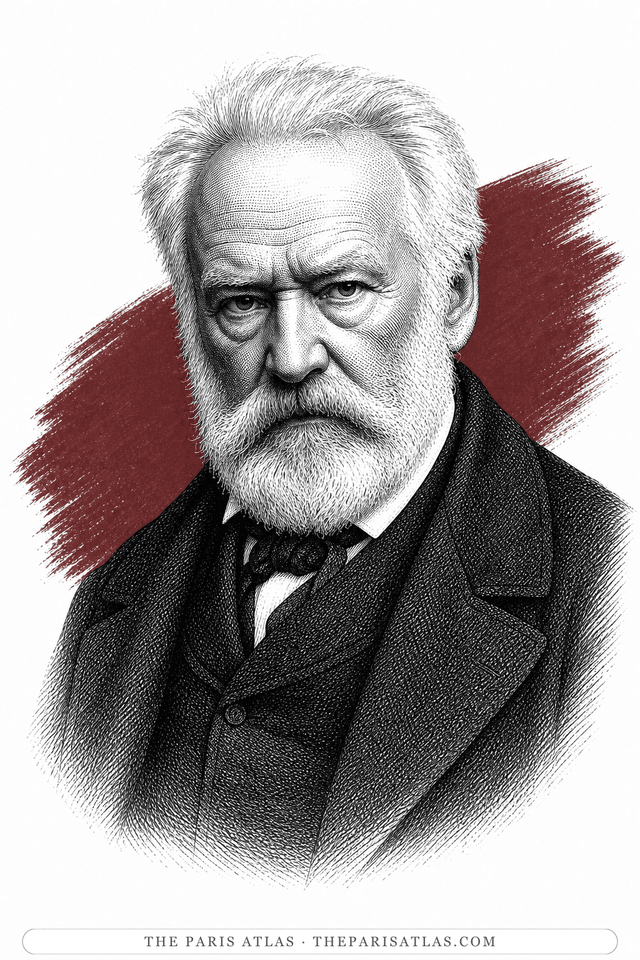
Victor Hugo
Poet, novelist and playwright who spent sixteen years in an apartment on the Place des Vosges that is now his museum, wrote a novel about Notre-Dame that shamed France into repairing the cathedral, spent nineteen years in exile for opposing the emperor Napoleon III, and was buried in the Panthéon — the Paris monument where France buries its most honoured dead — in 1885 after a funeral that brought roughly two million people into the streets of Paris.
View author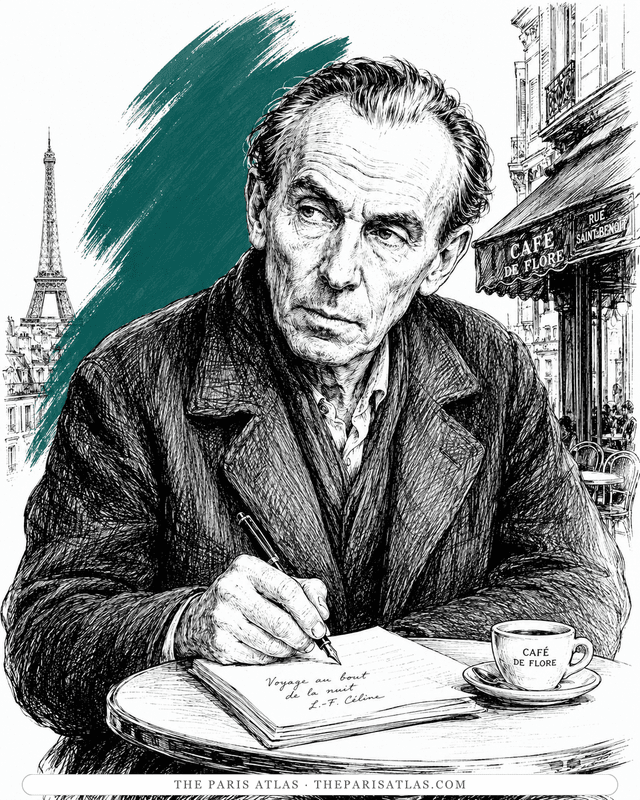
Louis-Ferdinand Céline
The doctor of the Paris slums who wrote the century's blackest, funniest novel — and changed the sound of French prose.
View author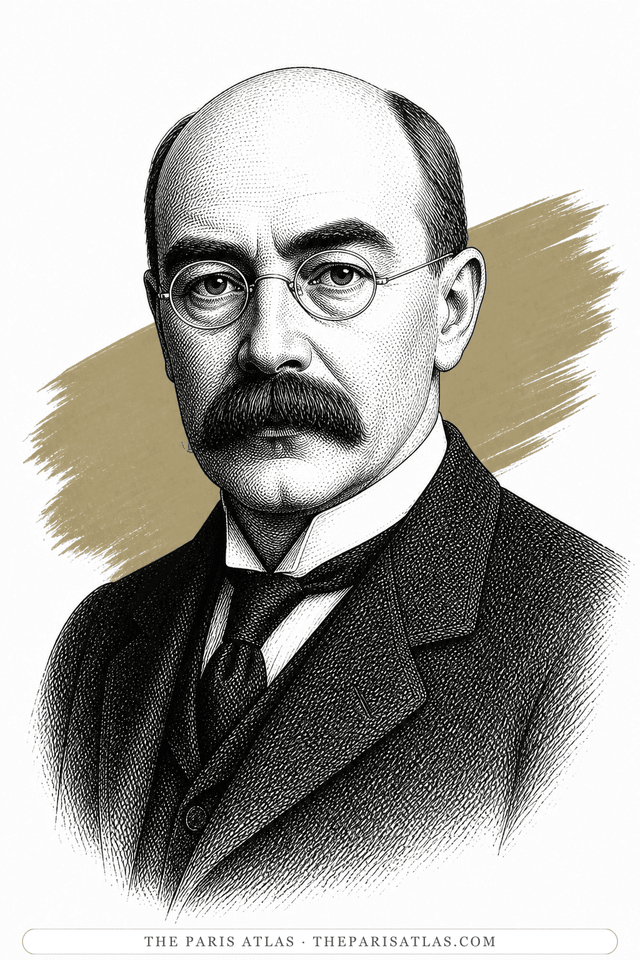
Rudyard Kipling
The English writer of the Jungle Books, Kim and Just So Stories, and in 1907 the first author writing in English to win the Nobel Prize in Literature. His love of France began at twelve, when his father turned him loose alone in the Paris Exhibition of 1878 with two francs a day; it ended with the war-graves work that kept him crossing the Channel after his only son was killed at Loos, and with a small French book, Souvenirs of France, published in Paris in 1933.
View author