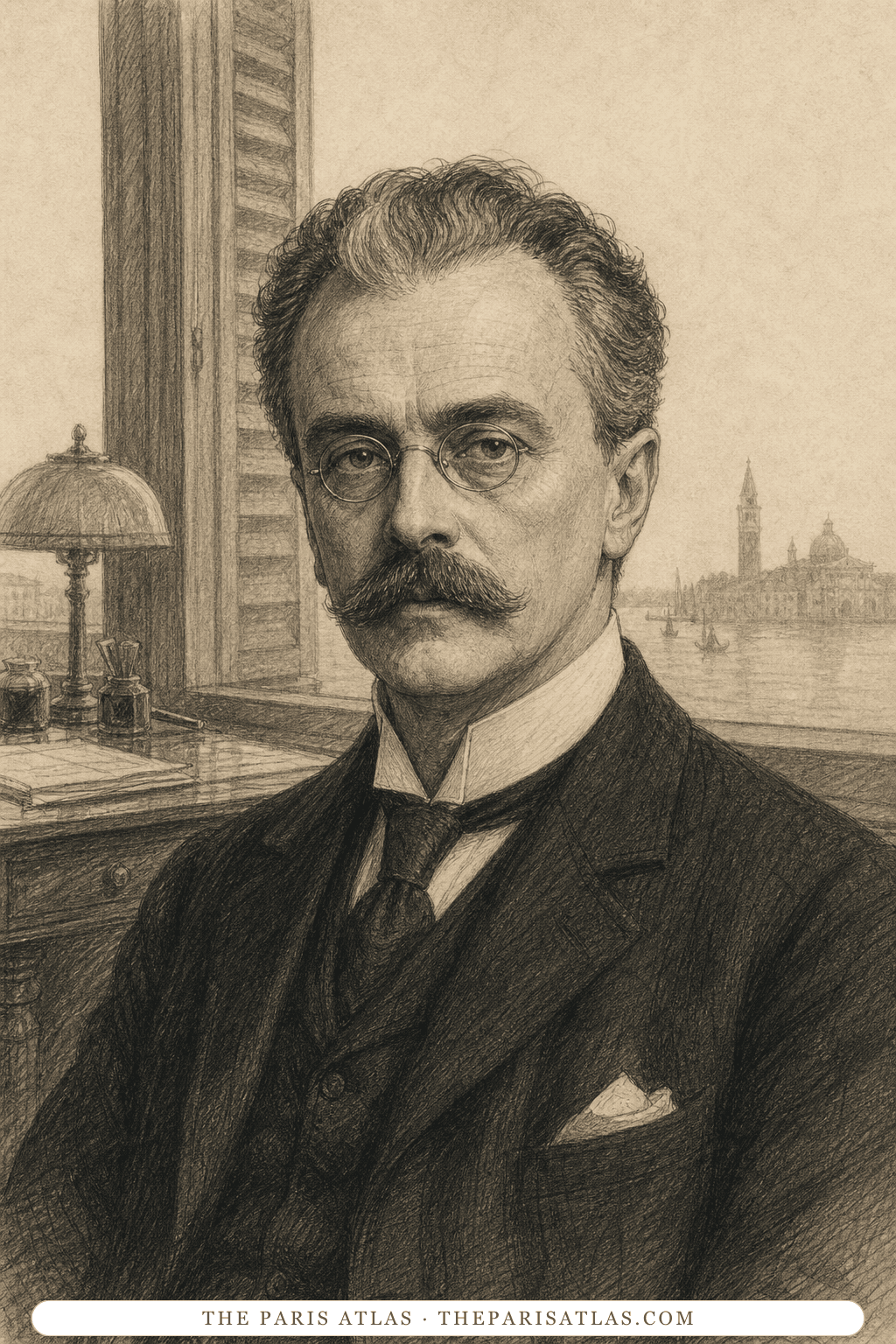
Gustav von Aschenbach
A famous German writer whose strict public identity collapses during a holiday he can no longer control.
To recover a feeling of beauty and freedom without surrendering his image of himself as a controlled, honorable artist.
The book

At a glance
- Early fifties
- Munich
- Writer
- Widower with an adult daughter
Who they are in the book
Spoiler-freeGustav von Aschenbach is a widowed German writer in his early fifties. He has earned public honors through serious books and relentless discipline.
He treats self-control as the source of both good art and moral worth. Exhaustion therefore appears to him as a weakness to overcome rather than useful information about his limits.
In Venice, he turns an obsession with a child into a private theory about beauty. The narration stays close enough to his mind for readers to hear the theory and far enough away for them to see the conduct it conceals.
How Gustav von Aschenbach Is Portrayed
- CelebratedHis books and official honor have made him a public example of disciplined achievement.
- MethodicalHe works through routine and effort rather than waiting for easy inspiration.
- ExhaustedThe first urge to travel comes after years of forcing himself onward.
- Highly educatedClassical art and philosophy supply the language through which he understands experience.
- Self-deceivingHe gives beautiful names to actions he would judge more plainly in someone else.
- Increasingly passiveHe recognizes each danger but keeps allowing desire and circumstance to choose for him.
After learning the truth about cholera, Aschenbach does not warn Tadzio's family because he wants them to stay. He later dyes his hair and wears cosmetics to appear younger.
Already ill, he watches Tadzio from a beach chair and dies. His final vision cannot repair the fact that he chose proximity over the family's safety.
If you like Death in Venice


If you like Thomas Mann
Explore authors with a similar voice, perspective, and influence.
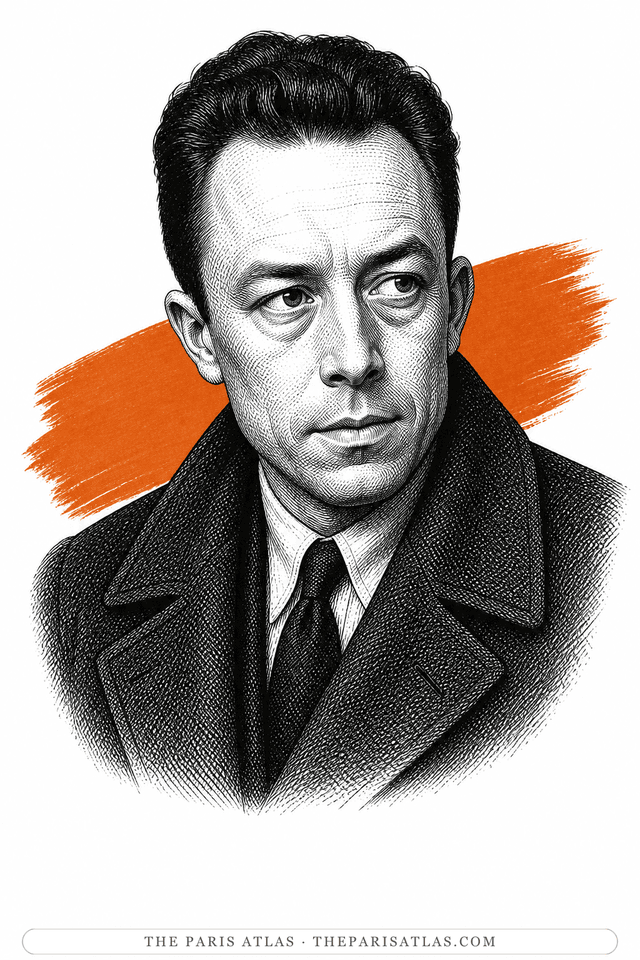
Albert Camus
French Algerian novelist, essayist, journalist and playwright who used the absurd and revolt to ask how people should live without false consolation.
View author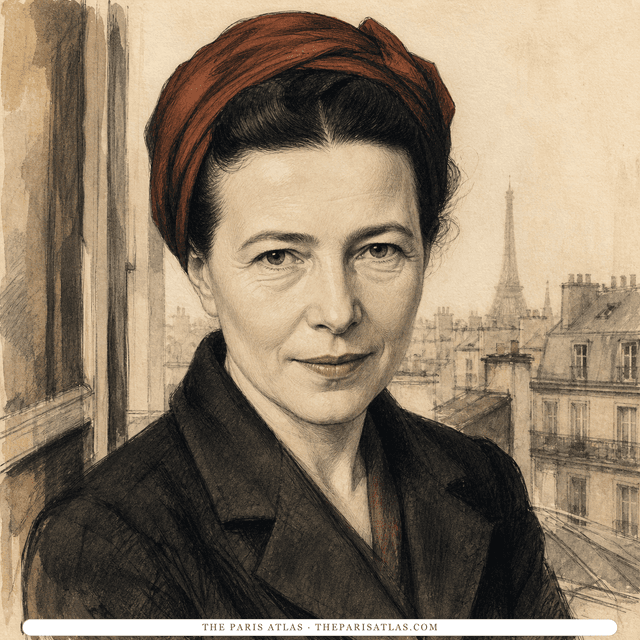
Simone de Beauvoir
French writer and philosopher whose novels, memoirs, and social analysis examined freedom, gender, responsibility, aging, and the material conditions that shape a life.
View author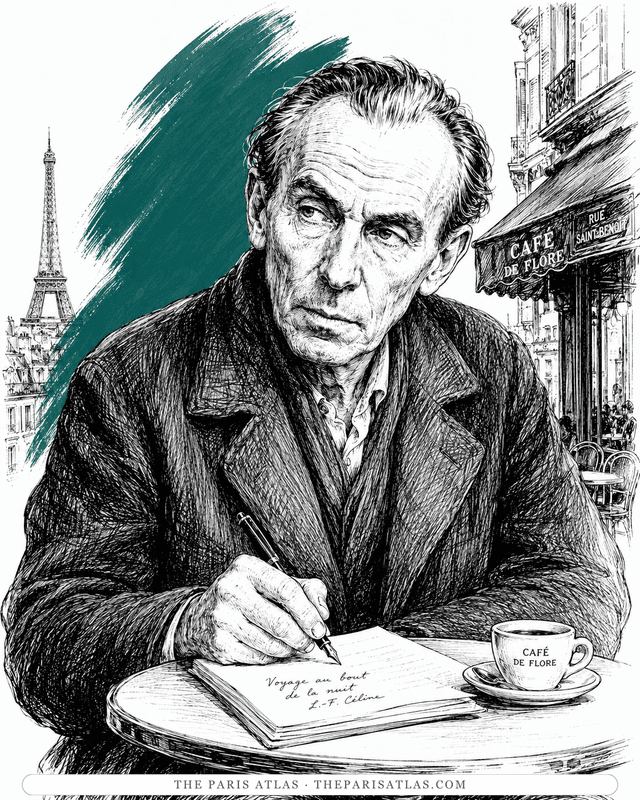
Louis-Ferdinand Céline
The doctor of the Paris slums who wrote the century's blackest, funniest novel — and changed the sound of French prose.
View author