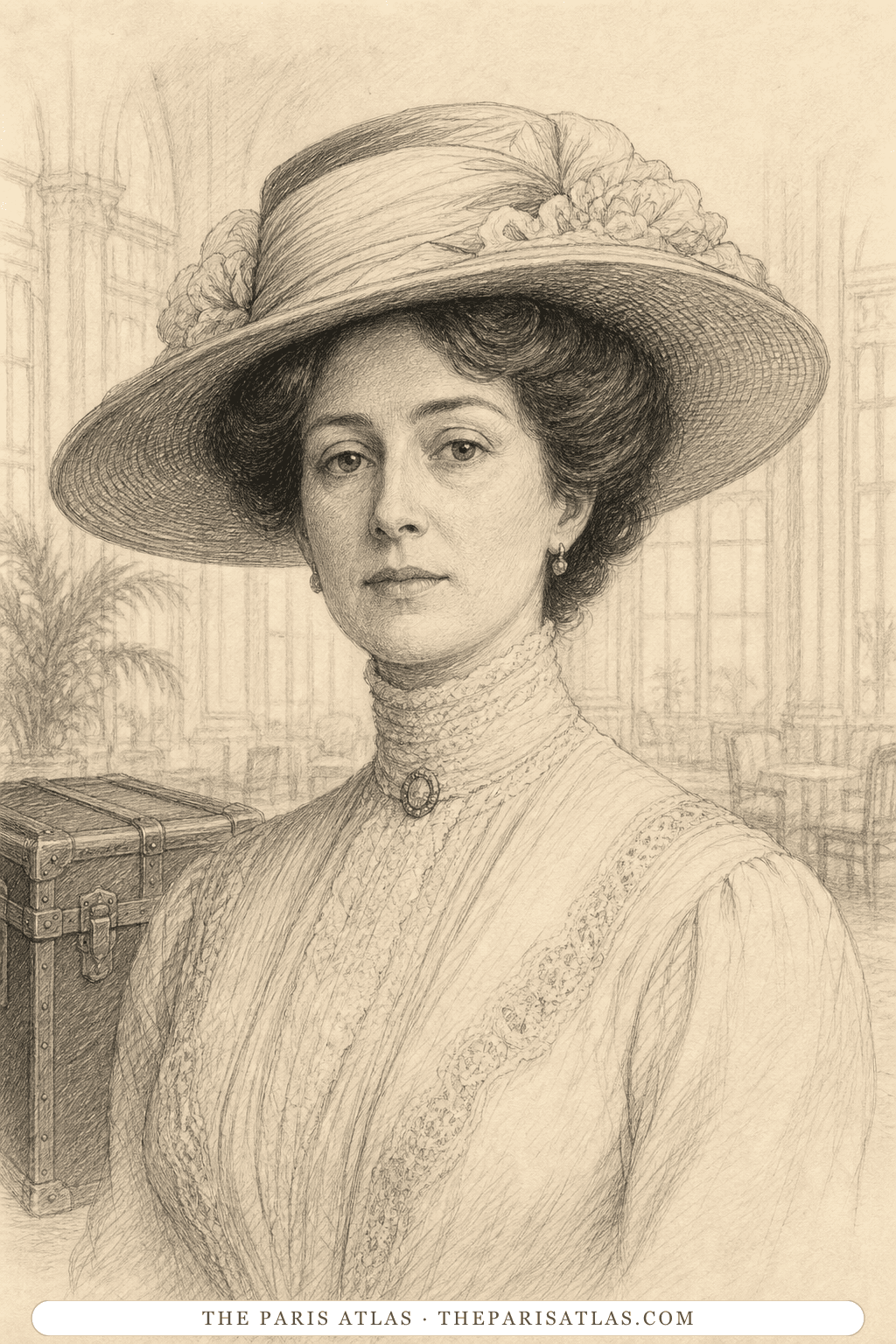
Tadzio's Mother
The elegant Polish parent whose family Aschenbach chooses not to warn about the epidemic.
To supervise a safe, orderly holiday for her children and return home with them.
The book

At a glance
- Polish
- Tadzio
- Children and governess
- None
Who they are in the book
Spoiler-freeTadzio's mother is an aristocratic Polish woman traveling with her children and their governess. She directs the family's hotel routine and outings.
Aschenbach observes her dress and manner from a distance. Like the rest of the family, she is a real person inside the story but also someone he turns into part of an elegant scene.
She becomes central to his moral choice because she is the person he could warn. He imagines speaking to her, knows what she would do, and remains silent.
How Tadzio's Mother Is Portrayed
- Protective parentShe travels with her children, governess, and an organized family routine.
- Socially formalHer manner at meals and outings reflects the family's aristocratic position.
- Observed from afarAschenbach studies her without becoming an acquaintance.
- Able to actA truthful warning would allow her to remove the family from danger.
- Tall and carefully dressedThe first hotel scene describes her in a restrained gray-and-white dress with carefully arranged, lightly powdered hair.
- Striking pearl jewelryShe wears earrings and a very long triple strand of large pearls, the one deliberately lavish element in an otherwise simple appearance.
Aschenbach considers telling her that cholera is spreading through Venice. He stays silent because he knows she would leave with Tadzio.
The family eventually prepares to depart without his help. His silence remains one of the clearest measures of how far his conduct has declined.
If you like Death in Venice


If you like Thomas Mann
Explore authors with a similar voice, perspective, and influence.
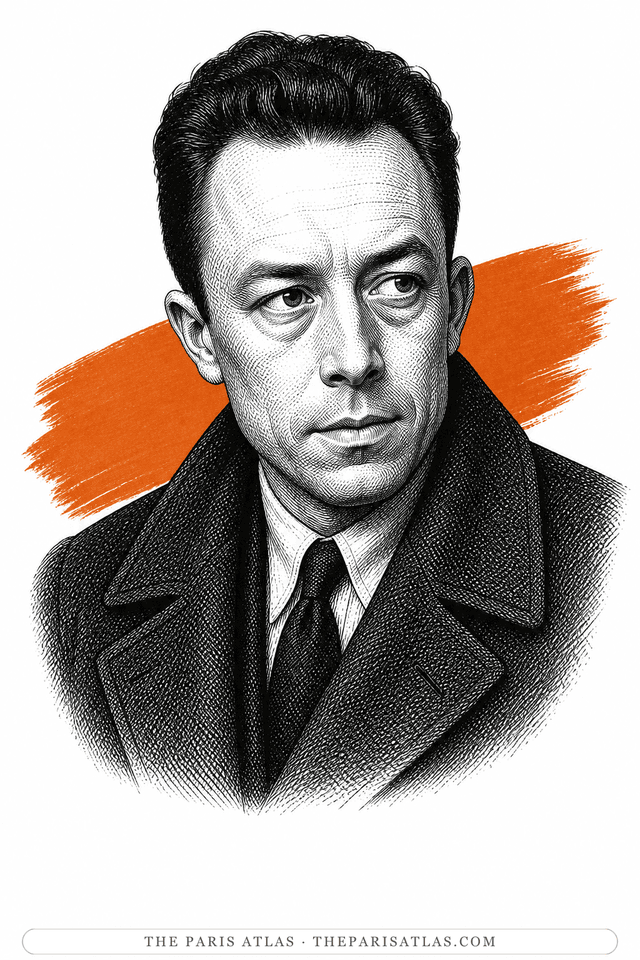
Albert Camus
French Algerian novelist, essayist, journalist and playwright who used the absurd and revolt to ask how people should live without false consolation.
View author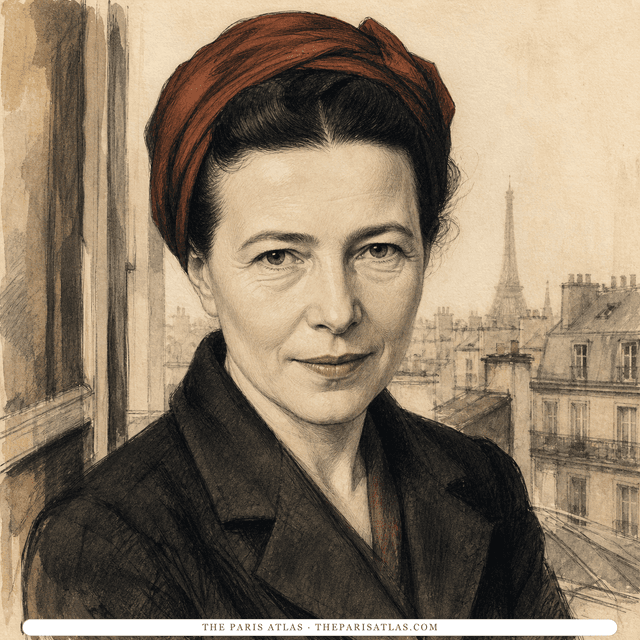
Simone de Beauvoir
French writer and philosopher whose novels, memoirs, and social analysis examined freedom, gender, responsibility, aging, and the material conditions that shape a life.
View author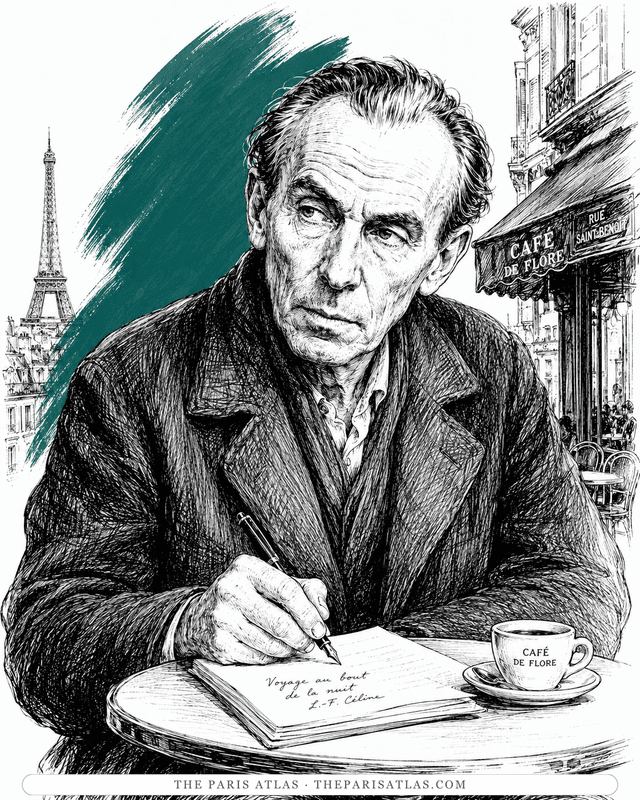
Louis-Ferdinand Céline
The doctor of the Paris slums who wrote the century's blackest, funniest novel — and changed the sound of French prose.
View author