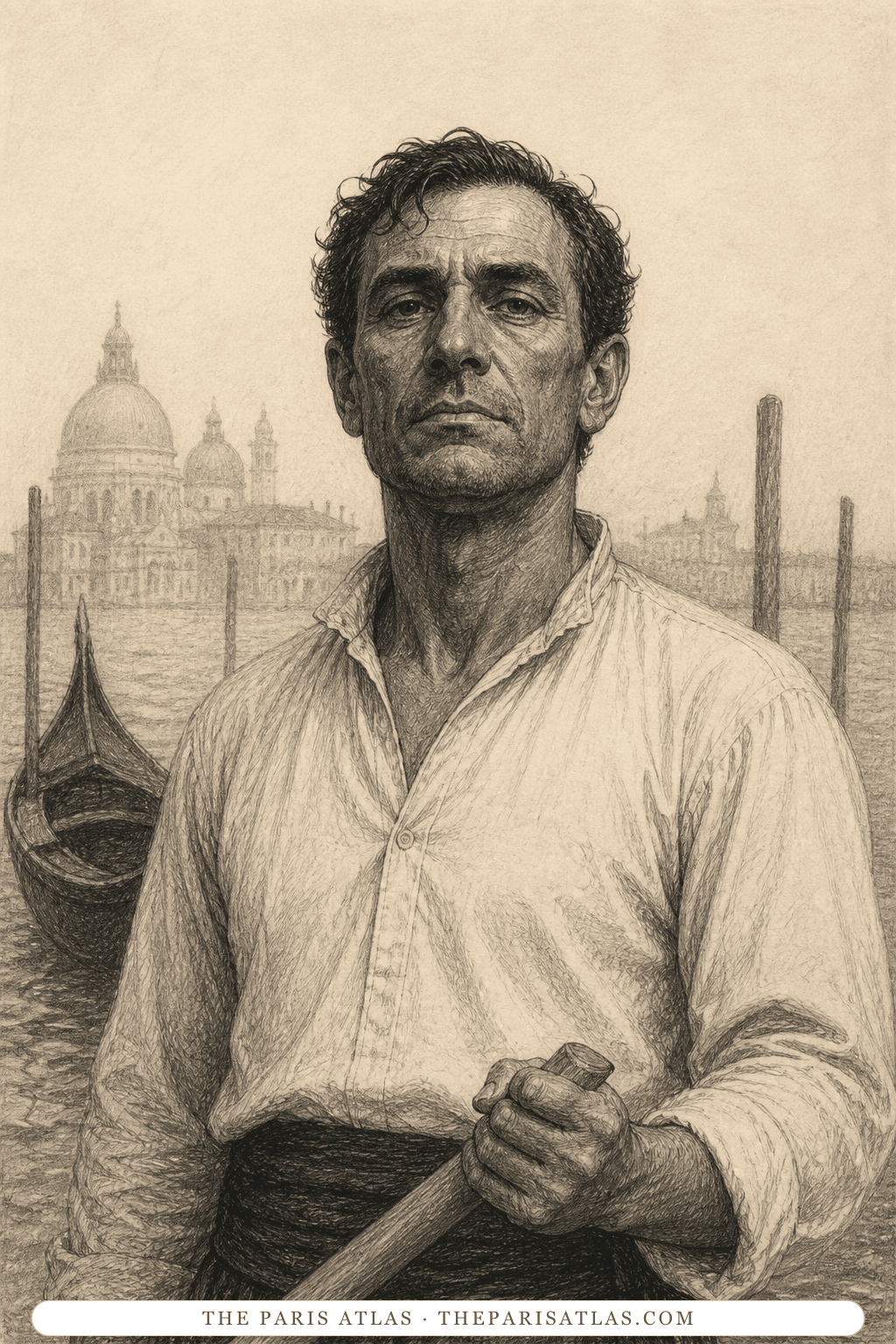
The Gondolier
The unauthorized boatman who carries Aschenbach toward the Lido while refusing his instructions.
To complete the unauthorized fare on his own terms and avoid the officials who could challenge him.
The book

At a glance
- Gondolier
- Venice to the Lido
- Unauthorized
- Not given
Who they are in the book
Spoiler-freeThe unnamed gondolier picks Aschenbach up on his arrival in Venice. He rows toward the Lido even when his passenger gives different instructions.
Aschenbach notices that the man is not properly licensed. Before officials can resolve the matter or collect payment, the gondolier disappears.
The incident is physically simple but emotionally important: at the start of Venice, Aschenbach is already being carried where he did not decide to go.
How The Gondolier Is Portrayed
- UnlicensedHis lack of authorization explains his disappearance after landing.
- DisobedientHe follows his own route instead of Aschenbach's directions.
- Quietly forcefulControl comes through continuing to row rather than open violence.
- Associated with passageThe black gondola makes arrival feel like movement toward death.
The gondolier leaves before Aschenbach can pay him because officials are looking for the unauthorized boatman.
He does not return, but the feeling of being carried forward remains part of Aschenbach's stay.
If you like Death in Venice


If you like Thomas Mann
Explore authors with a similar voice, perspective, and influence.
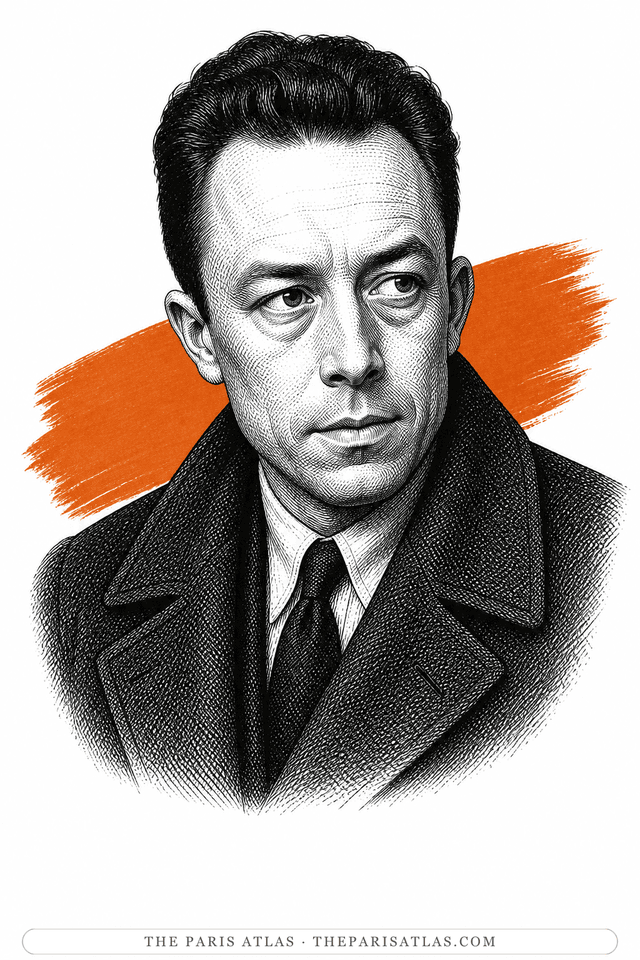
Albert Camus
French Algerian novelist, essayist, journalist and playwright who used the absurd and revolt to ask how people should live without false consolation.
View author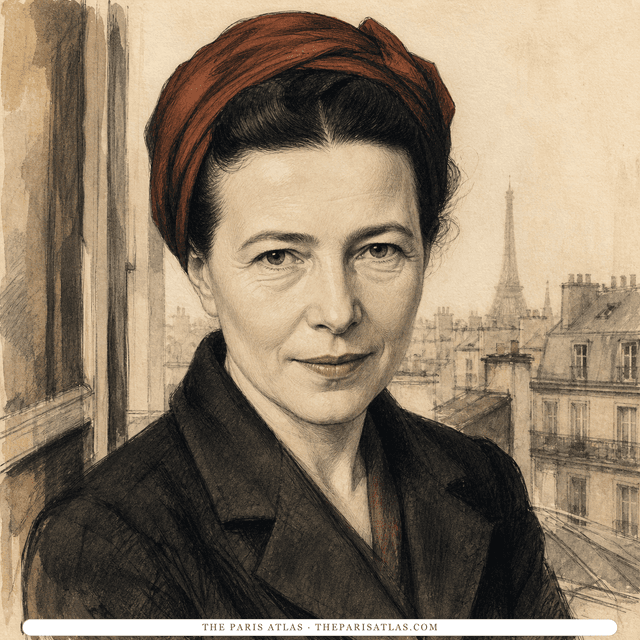
Simone de Beauvoir
French writer and philosopher whose novels, memoirs, and social analysis examined freedom, gender, responsibility, aging, and the material conditions that shape a life.
View author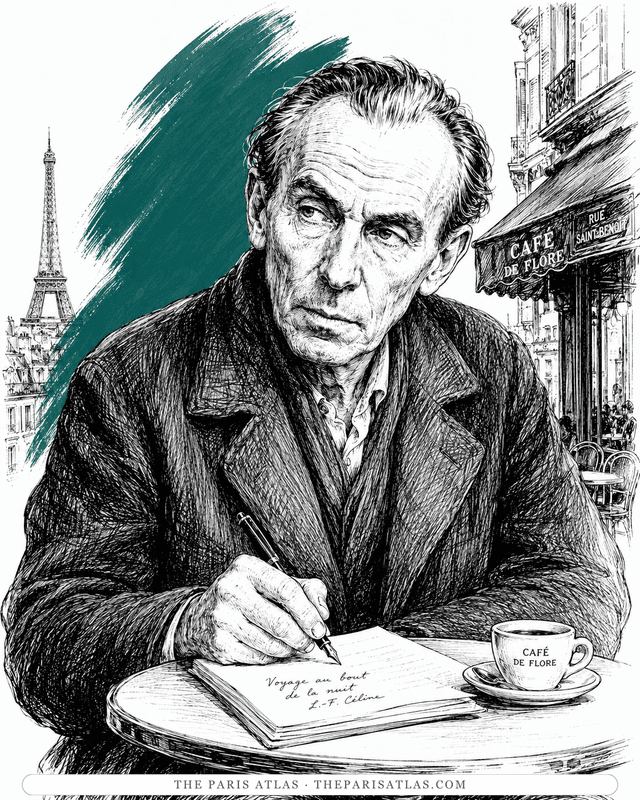
Louis-Ferdinand Céline
The doctor of the Paris slums who wrote the century's blackest, funniest novel — and changed the sound of French prose.
View author