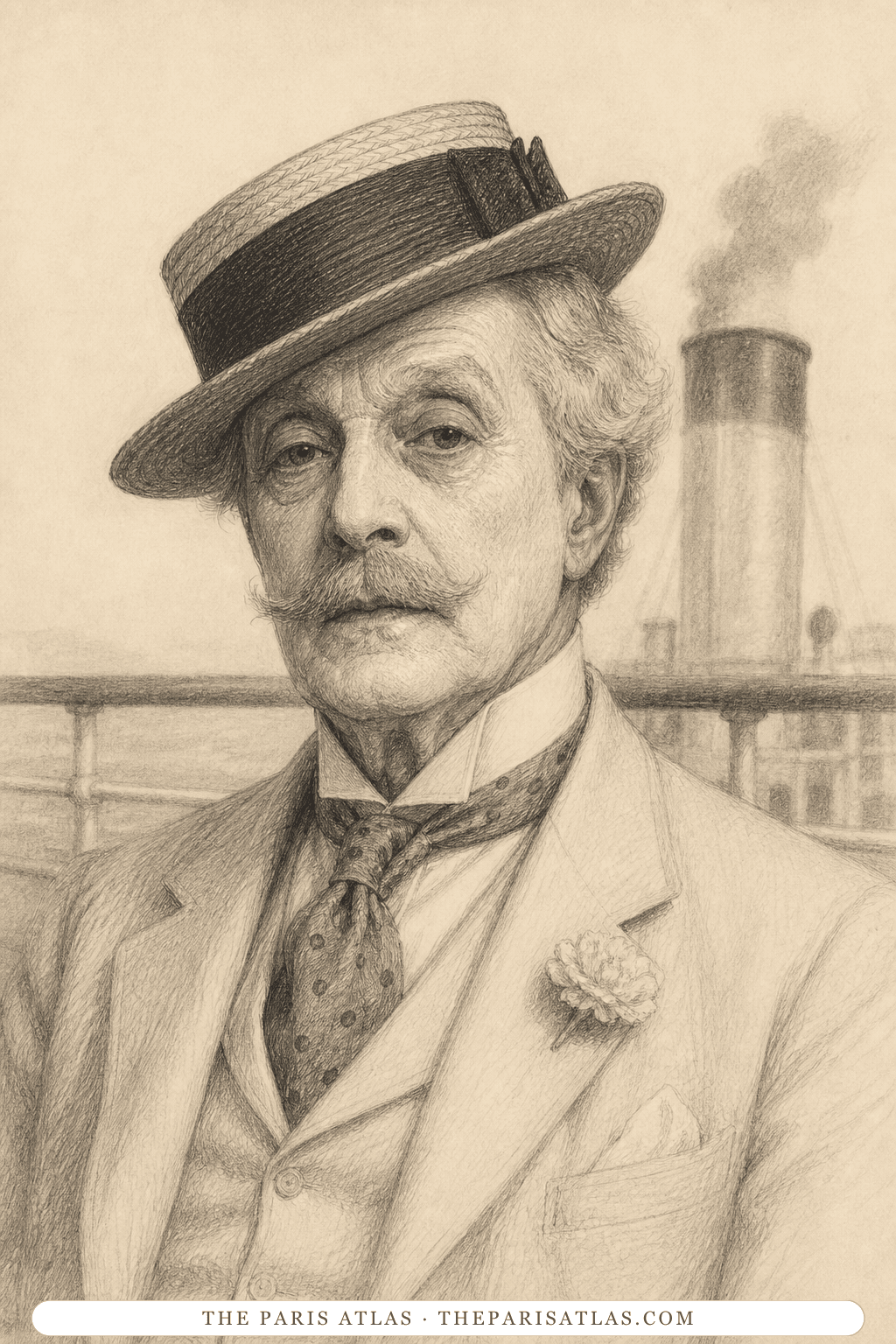
The Old Dandy
An elderly boat passenger made up to look young, whom Aschenbach judges before copying his transformation.
To join the younger party and present himself as sharing their youth and high spirits.
The book

At a glance
- Steamer to Venice
- Not given
- Younger travelers
- Provokes Aschenbach's disgust
Who they are in the book
Spoiler-freeOn the steamer to Venice, Aschenbach sees an elderly man dressed with a group of younger travelers. Dyed hair, cosmetics, and youthful clothes make his age more rather than less visible.
Aschenbach reacts with disgust because the man violates his belief that dignity depends on accepting limits and maintaining self-command.
The judgment becomes irony. By the end of the holiday, Aschenbach allows a barber to perform a similar disguise on him.
How The Old Dandy Is Portrayed
- Clearly elderlyCosmetics cannot hide the age that Aschenbach notices.
- Youthfully dressedHis clothes imitate the style and mood of younger companions.
- Socially eagerHe performs gaiety in order to belong to the group.
- A future mirrorHis disguise anticipates Aschenbach's own makeover.
The old passenger disappears from the action after the voyage.
When Aschenbach later dyes his hair and wears cosmetics, the parallel exposes how quickly his confident judgment of another person has failed.
If you like Death in Venice


If you like Thomas Mann
Explore authors with a similar voice, perspective, and influence.
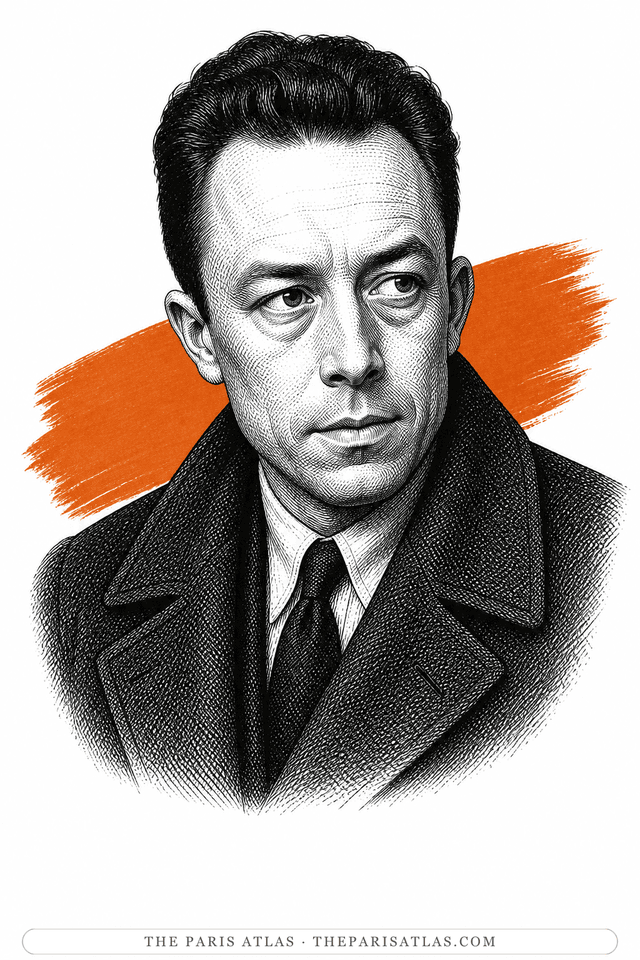
Albert Camus
French Algerian novelist, essayist, journalist and playwright who used the absurd and revolt to ask how people should live without false consolation.
View author
Simone de Beauvoir
French writer and philosopher whose novels, memoirs, and social analysis examined freedom, gender, responsibility, aging, and the material conditions that shape a life.
View author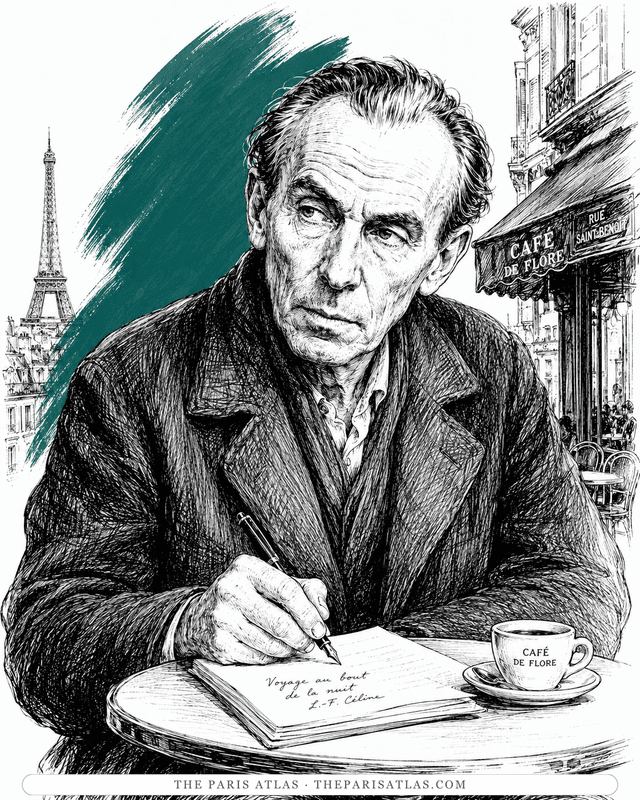
Louis-Ferdinand Céline
The doctor of the Paris slums who wrote the century's blackest, funniest novel — and changed the sound of French prose.
View author