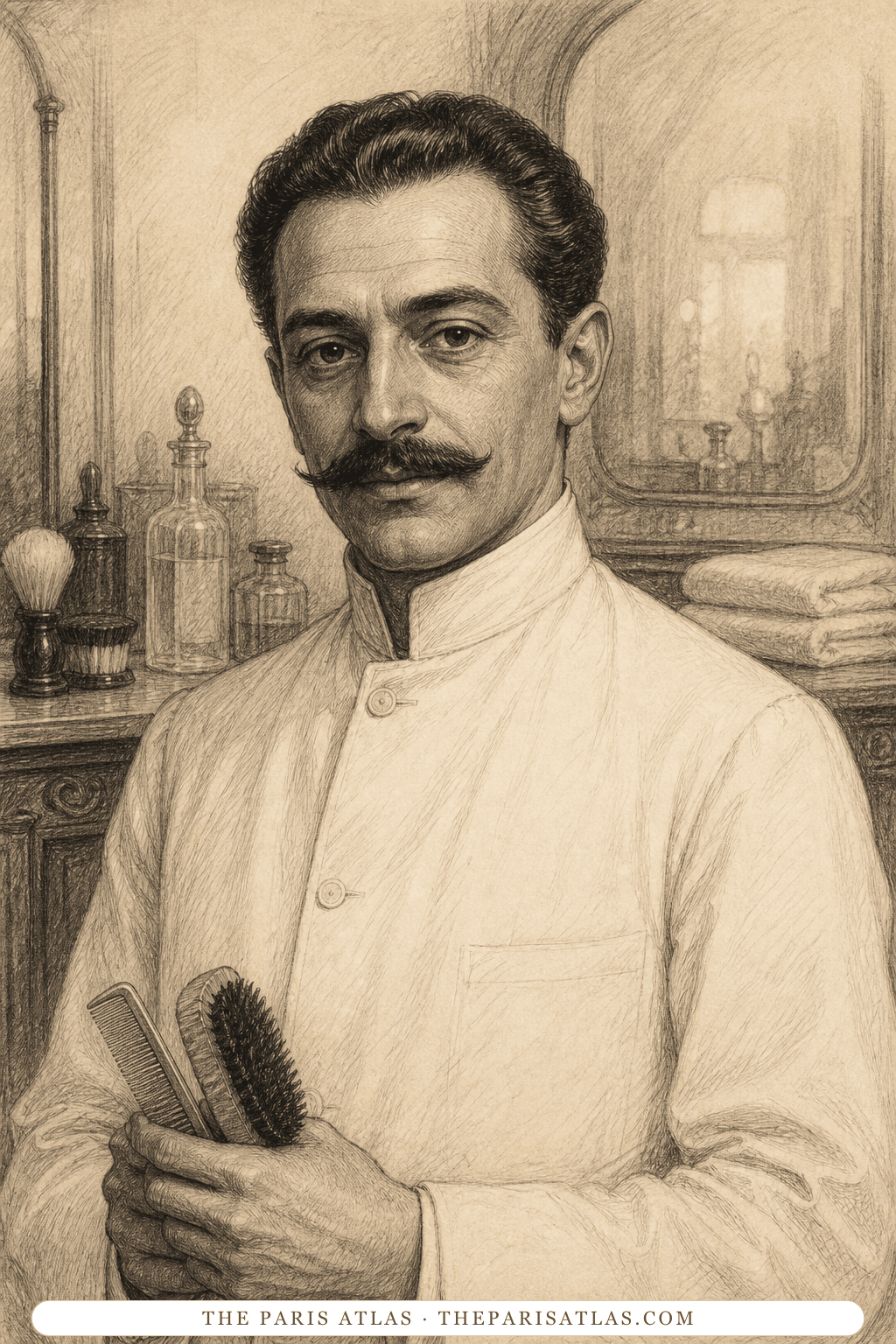
The Hotel Barber
The skilled barber who turns Aschenbach's fear of aging into a visible disguise.
To satisfy a hotel guest by using the grooming and cosmetic services of his trade.
The book

At a glance
- Hotel barber
- Aschenbach
- Hair dye and cosmetics
- Not given
Who they are in the book
Spoiler-freeThe hotel barber notices that Aschenbach wants to look younger and offers practical cosmetic help. He dyes the writer's hair, colors his face, and improves the appearance of his teeth and lips.
He is performing a paid service rather than forcing a transformation. Aschenbach agrees because his obsession has made age feel like a barrier he can hide.
The makeover converts an internal contradiction into an outward image: the man who valued dignified restraint now resembles the passenger he mocked.
How The Hotel Barber Is Portrayed
- ObservantHe recognizes what Aschenbach wants before the writer states it plainly.
- SkilledSeveral small changes create the impression of artificial youth.
- FlatteringHis salesmanship makes disguise sound like restoration.
- A service workerHe fulfills a request; the choice remains Aschenbach's.
The barber makes Aschenbach appear younger just as his health is failing.
Aschenbach dies with the artificial color still on him, completing the parallel with the old passenger.
If you like Death in Venice


If you like Thomas Mann
Explore authors with a similar voice, perspective, and influence.
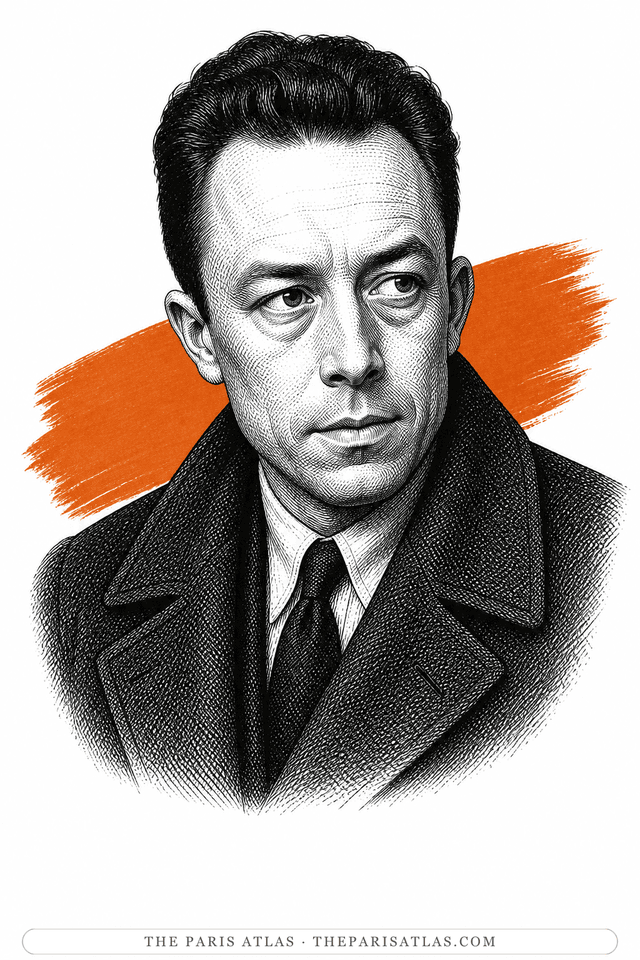
Albert Camus
French Algerian novelist, essayist, journalist and playwright who used the absurd and revolt to ask how people should live without false consolation.
View author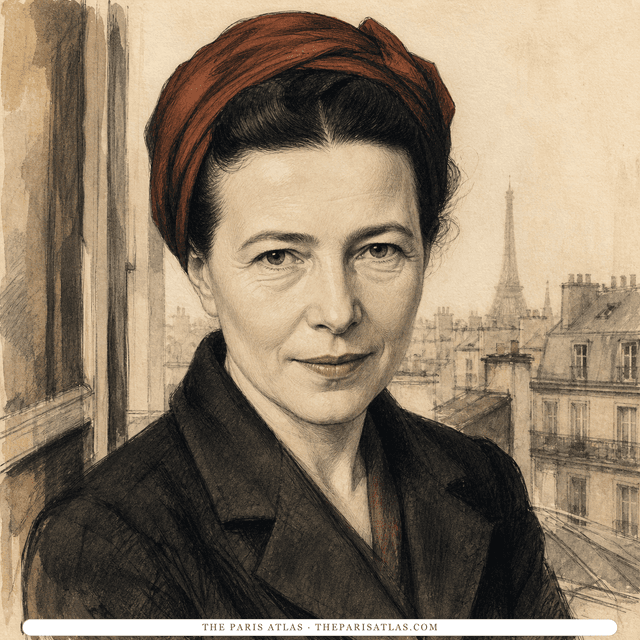
Simone de Beauvoir
French writer and philosopher whose novels, memoirs, and social analysis examined freedom, gender, responsibility, aging, and the material conditions that shape a life.
View author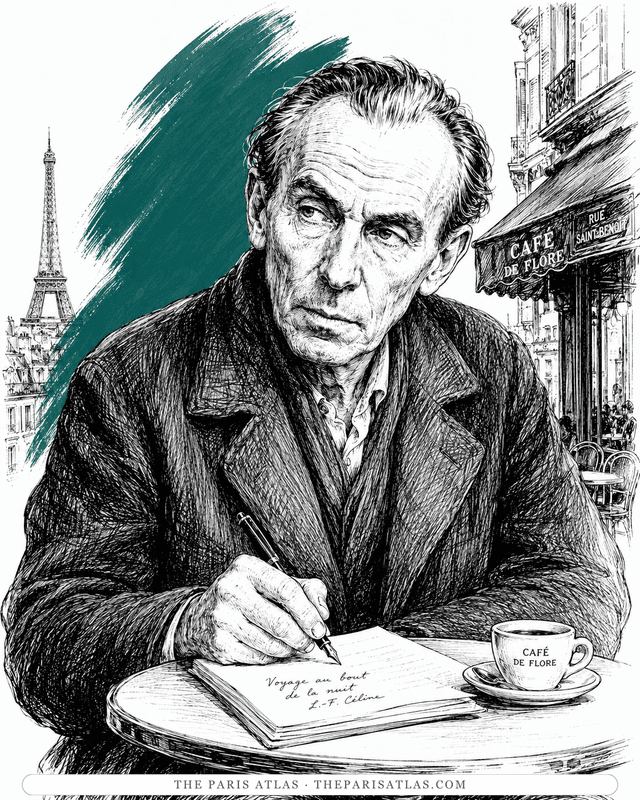
Louis-Ferdinand Céline
The doctor of the Paris slums who wrote the century's blackest, funniest novel — and changed the sound of French prose.
View author