
Harry Goldfarb
Sara’s son, Marion’s boyfriend, and Tyrone’s friend, whose plan to fund a legitimate future through drug dealing collapses into dependence.
To turn short-term drug profits into a stable future with Marion while continuing to believe that he controls his own use.
The book

At a glance
- Sara Goldfarb’s son
- Marion’s boyfriend and Tyrone’s friend
- Fund a legitimate business through drug profits
Who they are in the book
Spoiler-freeHarry begins with energy and a plan. He and Marion imagine a creative business, while he and Tyrone believe dealing can provide the money that ordinary work has not.
As supply becomes uncertain, Harry uses more of what he means to sell. His relationships, business plan, and physical health all narrow around heroin.
How Harry Goldfarb Is Portrayed
- Young Brooklyn manHis appearance belongs to the novel’s late-1970s New York setting.
- Casual clothesHe begins closer to restless ambition than polished success.
- Intense tired eyesHope and physical strain remain visible together.
- Initially energeticThe plan briefly gives him direction.
- Visibly frayingDependence interrupts the confidence he performs.
- No drug propsThe portrait keeps attention on the person rather than spectacle.
An injection wound becomes severely infected. After Harry and Tyrone are arrested while seeking heroin, Harry’s arm is amputated, and he wakes alone in a hospital.
If you like Requiem for a Dream


If you like Hubert Selby Jr.
Explore authors with a similar voice, perspective, and influence.
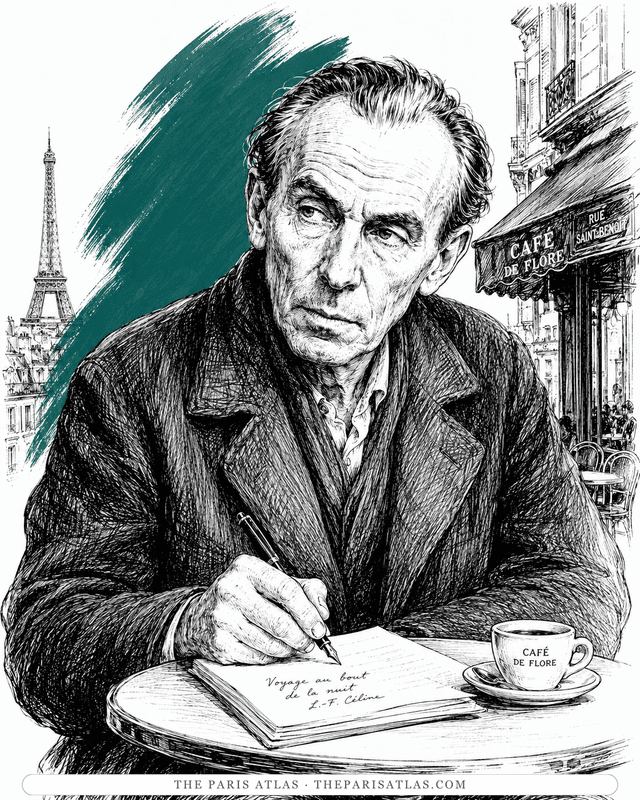
Louis-Ferdinand Céline
The doctor of the Paris slums who wrote the century's blackest, funniest novel — and changed the sound of French prose.
View author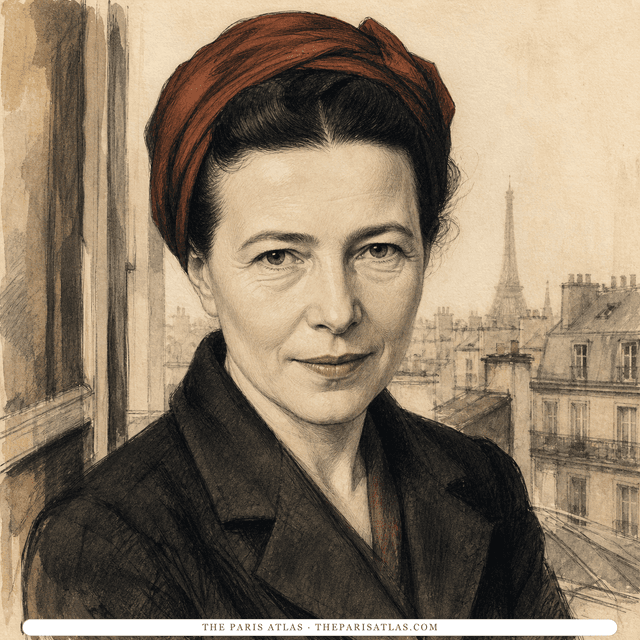
Simone de Beauvoir
French writer and philosopher whose novels, memoirs, and social analysis examined freedom, gender, responsibility, aging, and the material conditions that shape a life.
View author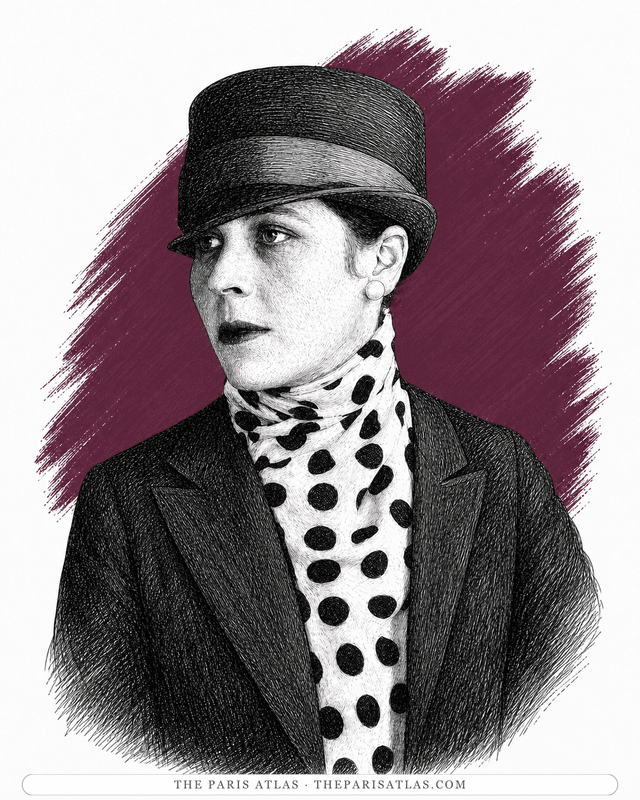
Djuna Barnes
American writer and illustrator (1892–1982). She was a New York newspaper reporter for eight years before she was a novelist, spent the 1920s and 1930s in Paris, and wrote Nightwood, the 1936 novel T. S. Eliot took to Faber and introduced.
View author