Sara’s doctor
The hurried physician whose inattentive prescribing gives medical legitimacy to the pills that destroy Sara’s health.
To move patients efficiently through a routine practice while treating prescriptions as an adequate response to Sara’s request.
The book

At a glance
- Sara’s prescribing physician
- Stimulant diet pills and nighttime sedatives
- Careless medical legitimacy
Who they are in the book
Spoiler-freeThe doctor provides stimulant diet medication and nighttime sedatives without seriously attending to Sara as a person. His authority makes the regimen appear legitimate.
He represents careless medical power rather than a private villain. The brief encounters matter because institutional indifference can cause damage without open malice.
How Sara’s doctor Is Portrayed
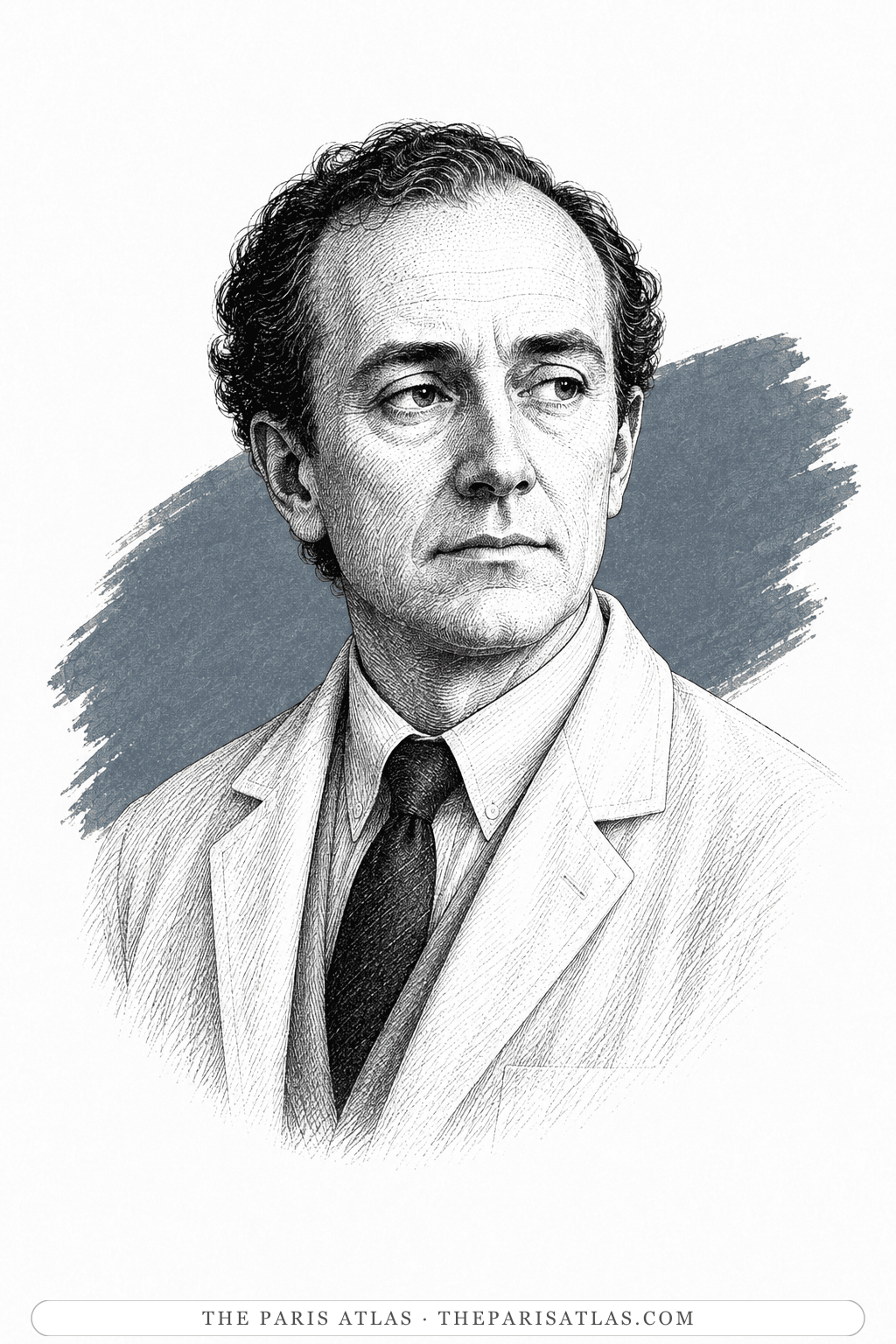
- Busy middle-aged physicianThe portrait locates him in ordinary medical authority.
- White coatProfessional status shapes Sara’s trust.
- Impersonal expressionHis attention remains divided and shallow.
- Eyes slightly avertedHe does not fully see the patient in front of him.
- Clean lineworkNo office furniture or medical props distract from the portrait.
- Institutional calmThe danger comes through normal procedure.
The doctor does not intervene meaningfully as Sara deteriorates. Her dependence and psychosis eventually lead to hospitalization and ECT.
If you like Requiem for a Dream


If you like Hubert Selby Jr.
Explore authors with a similar voice, perspective, and influence.
Louis-Ferdinand Céline
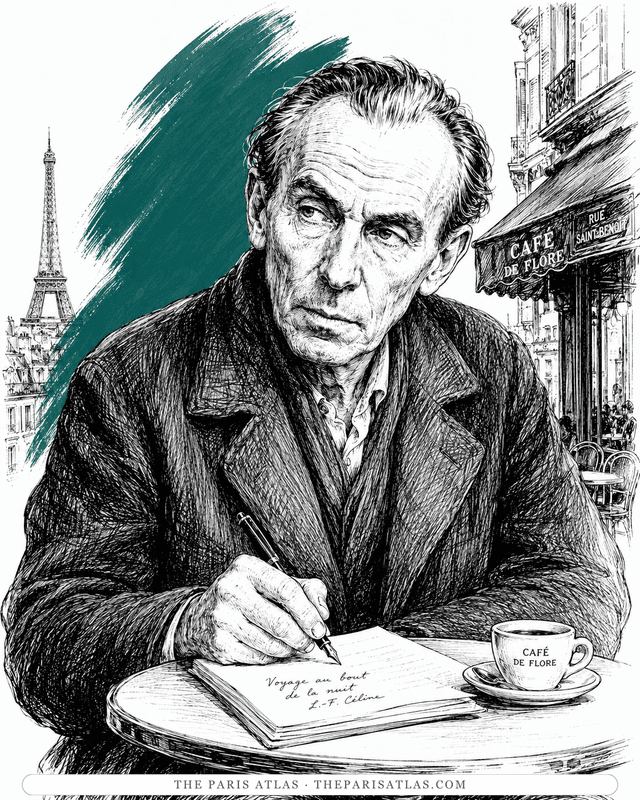
The doctor of the Paris slums who wrote the century's blackest, funniest novel — and changed the sound of French prose.
View author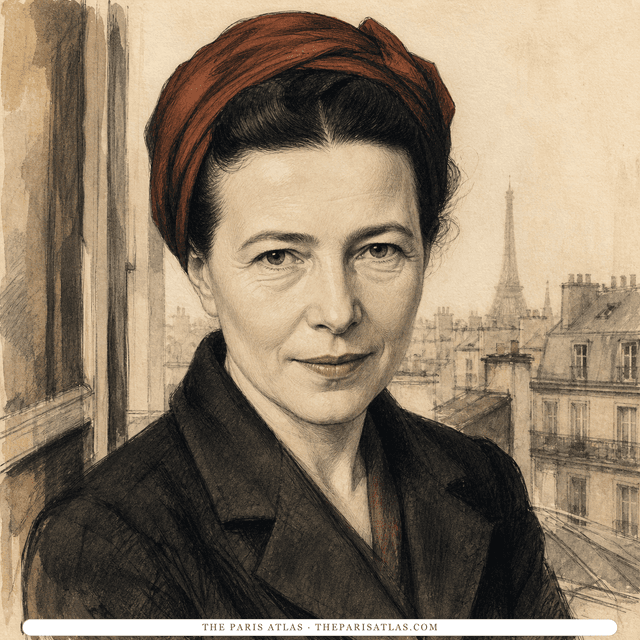
Simone de Beauvoir
French writer and philosopher whose novels, memoirs, and social analysis examined freedom, gender, responsibility, aging, and the material conditions that shape a life.
View author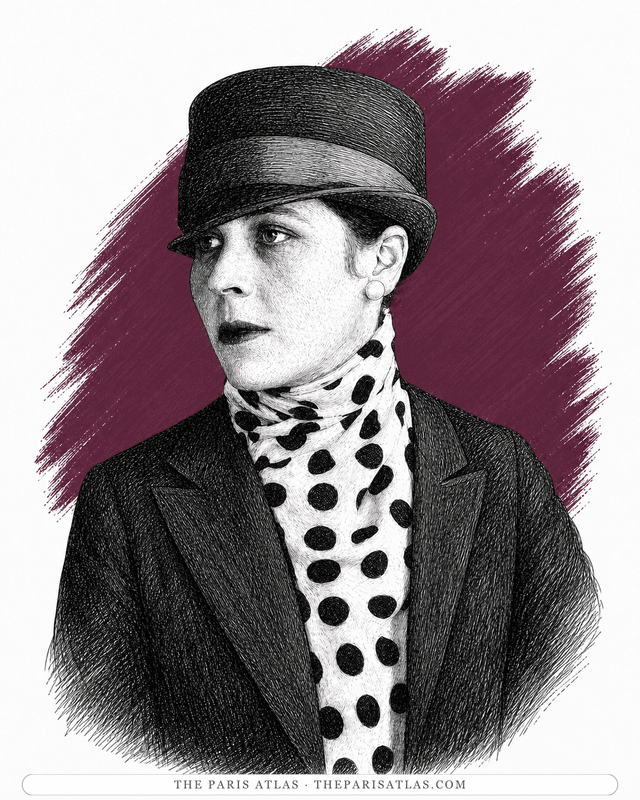
Djuna Barnes
American writer and illustrator (1892–1982). She was a New York newspaper reporter for eight years before she was a novelist, spent the 1920s and 1930s in Paris, and wrote Nightwood, the 1936 novel T. S. Eliot took to Faber and introduced.
View author