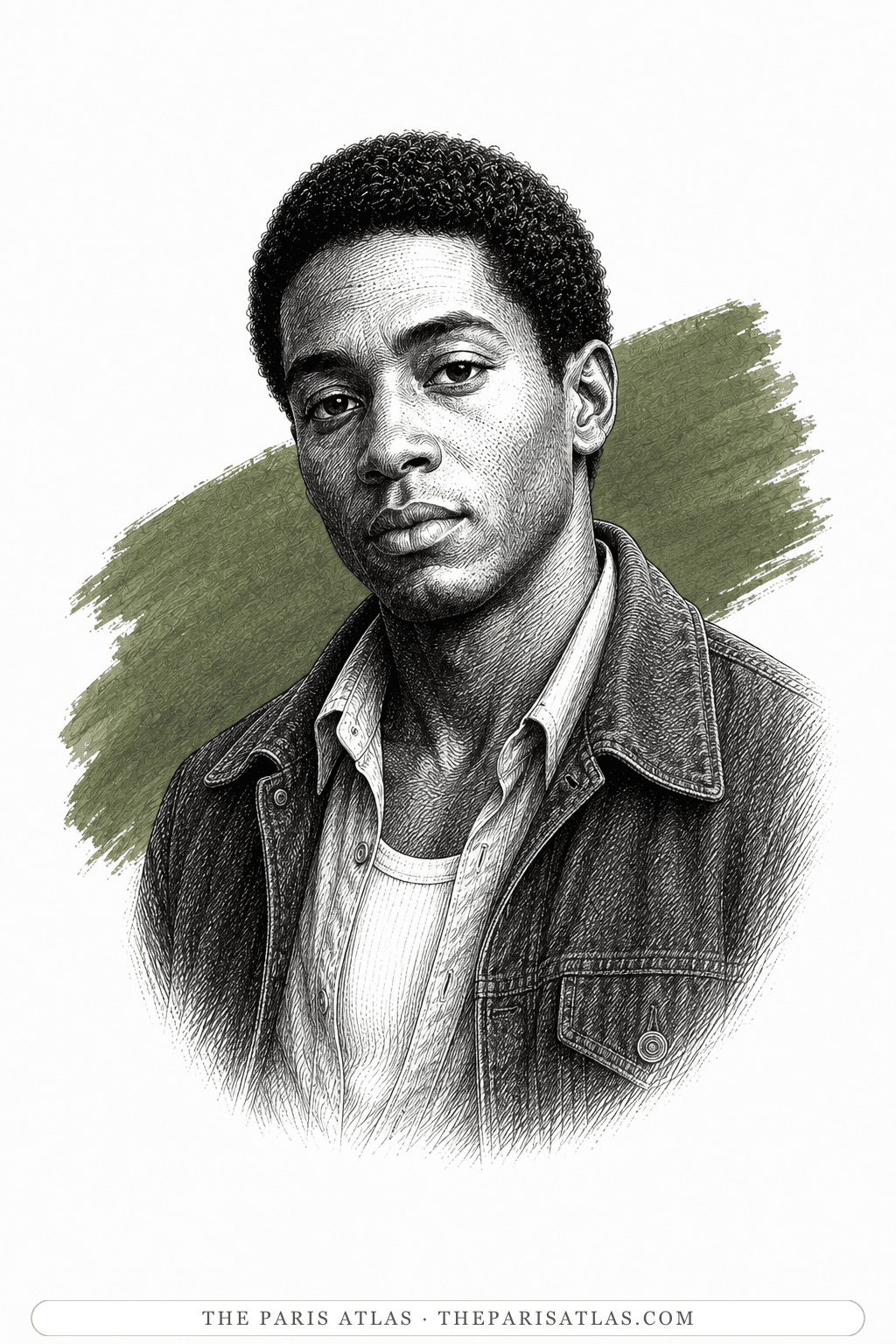
Tyrone C. Love
Harry’s best friend and business partner, who wants money and freedom but ends imprisoned, withdrawing, and remembering his mother.
To gain enough money and freedom to escape precarity while holding onto friendship, dignity, and the memory of family safety.
The book

At a glance
- Harry’s best friend and business partner
- Money and independence
- Prison during forced withdrawal
Who they are in the book
Spoiler-freeTyrone joins Harry’s plan because the drug business appears to offer financial independence. His warmth and loyalty exist alongside a practical knowledge of risk.
The collapse exposes him to both addiction and racist institutions. Memories of his mother become an image of safety that prison cannot provide.
How Tyrone C. Love Is Portrayed
- Young Black manHis identity is portrayed specifically and without stereotype.
- Warm expressionFriendship and memory matter to him.
- Guarded attentionThe drug economy demands constant awareness.
- Street clothesOrdinary late-1970s clothing keeps him grounded in daily life.
- Self-possessionDignity remains visible under pressure.
- Family memoryA gentle expression suggests, rather than illustrates, the safety associated with his mother.
Tyrone is arrested with Harry and imprisoned. He endures forced withdrawal and racist abuse while curling inward and remembering his mother.
If you like Requiem for a Dream


If you like Hubert Selby Jr.
Explore authors with a similar voice, perspective, and influence.
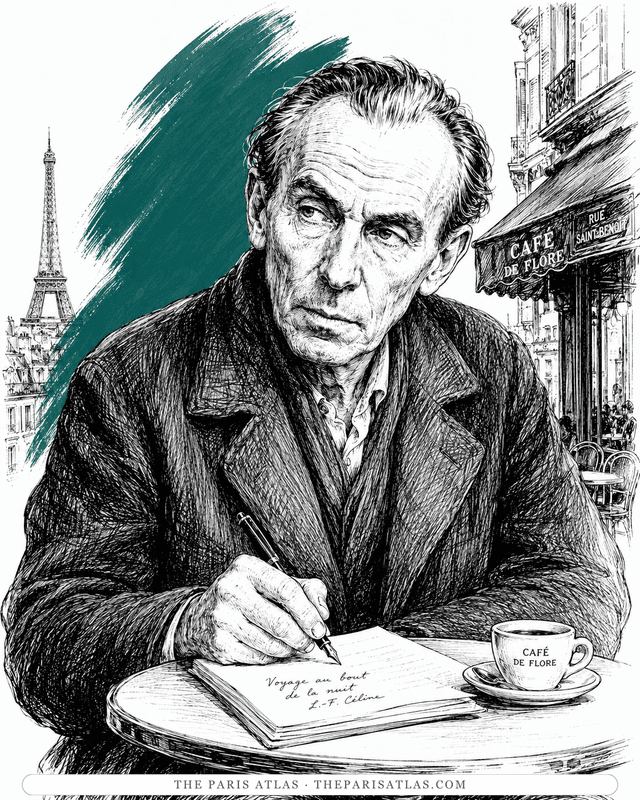
Louis-Ferdinand Céline
The doctor of the Paris slums who wrote the century's blackest, funniest novel — and changed the sound of French prose.
View author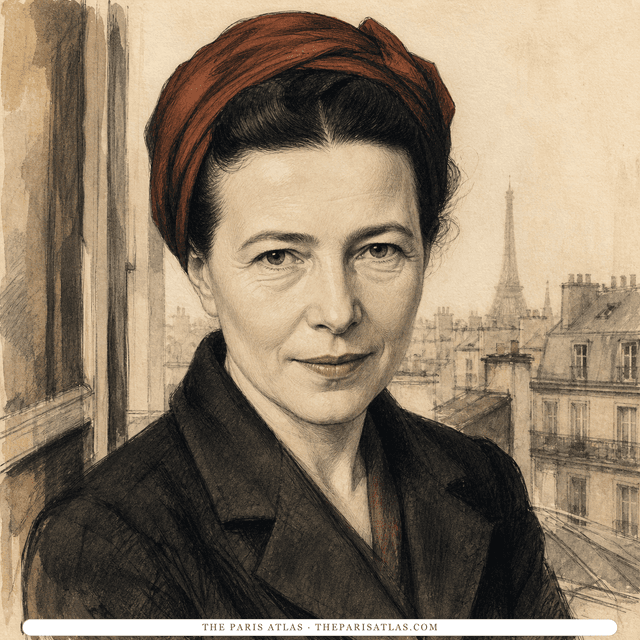
Simone de Beauvoir
French writer and philosopher whose novels, memoirs, and social analysis examined freedom, gender, responsibility, aging, and the material conditions that shape a life.
View author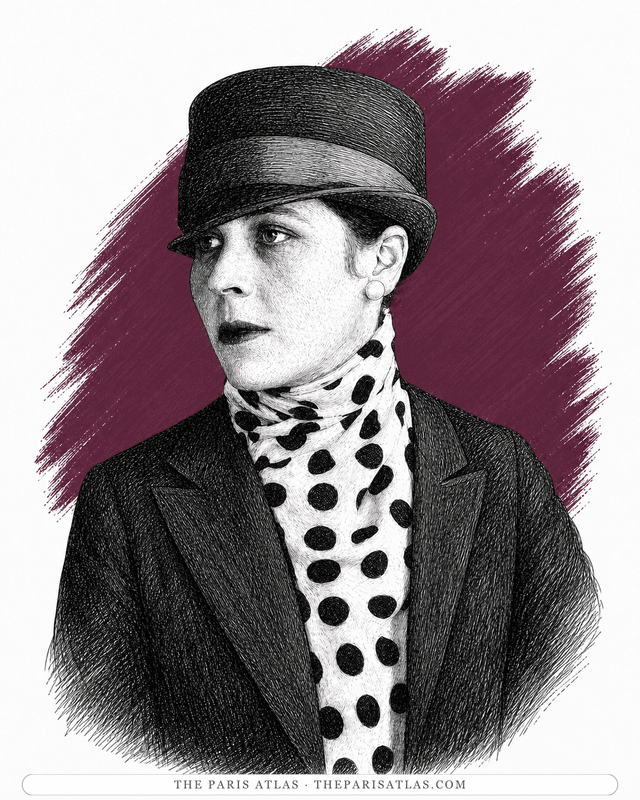
Djuna Barnes
American writer and illustrator (1892–1982). She was a New York newspaper reporter for eight years before she was a novelist, spent the 1920s and 1930s in Paris, and wrote Nightwood, the 1936 novel T. S. Eliot took to Faber and introduced.
View author