
Marion Silver
Harry’s artistic girlfriend, whose dream of creative independence is steadily replaced by the transactions required to obtain heroin.
To build a creative, independent future with Harry and escape the limits other people have placed around her life.
The book

At a glance
- Harry’s girlfriend
- Creative and financial independence
- Heroin turns intimacy and sex into transactions
Who they are in the book
Spoiler-freeMarion comes from a wealthier background but wants a life she has chosen herself. She and Harry imagine that a clothing or design business will make their relationship and creativity sustainable.
When money and heroin run out, dependence pushes Marion into increasingly exploitative sexual exchanges. Selby shows how addiction converts intimacy and aspiration into bargaining.
How Marion Silver Is Portrayed
- Young artistic womanHer presentation reflects taste and creative ambition.
- Late-1970s styleThe clothing belongs to the period without turning into costume.
- Alert intelligenceShe is more than the damage that follows.
- Increasingly hollow-eyedDependence becomes visible without sensationalism.
- Controlled poseShe tries to preserve self-possession.
- Muted cool accentA restrained color separates her from Sara’s red-dress dream.
Marion secures heroin through a degrading group sexual encounter. She returns home holding the drugs and curls inward while imagining the life she wanted.
If you like Requiem for a Dream


If you like Hubert Selby Jr.
Explore authors with a similar voice, perspective, and influence.
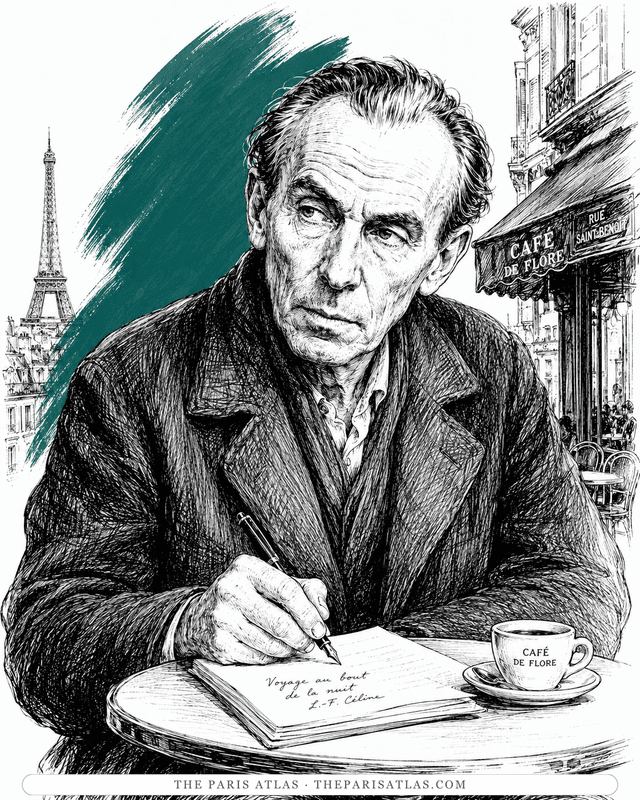
Louis-Ferdinand Céline
The doctor of the Paris slums who wrote the century's blackest, funniest novel — and changed the sound of French prose.
View author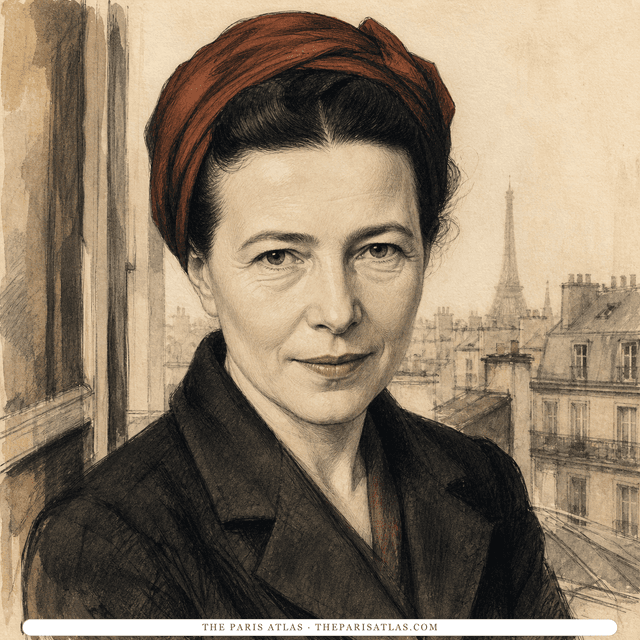
Simone de Beauvoir
French writer and philosopher whose novels, memoirs, and social analysis examined freedom, gender, responsibility, aging, and the material conditions that shape a life.
View author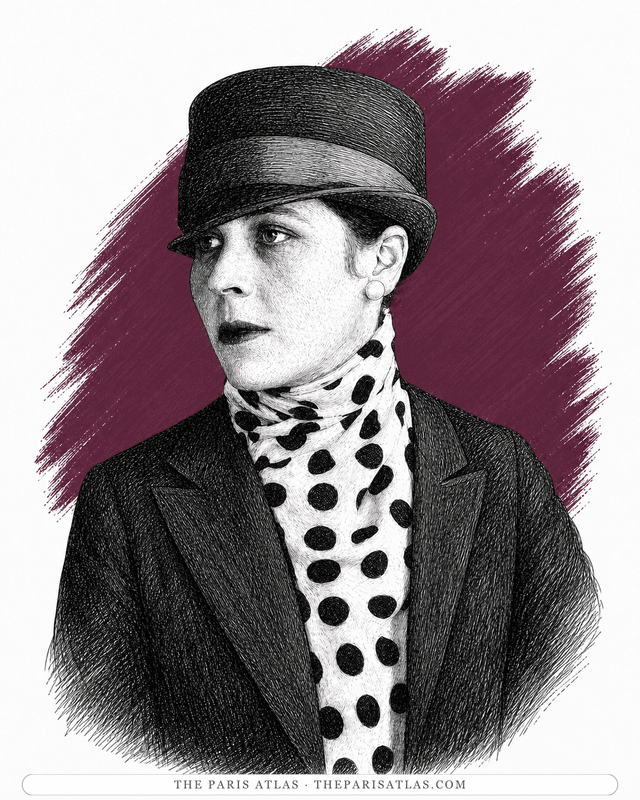
Djuna Barnes
American writer and illustrator (1892–1982). She was a New York newspaper reporter for eight years before she was a novelist, spent the 1920s and 1930s in Paris, and wrote Nightwood, the 1936 novel T. S. Eliot took to Faber and introduced.
View author