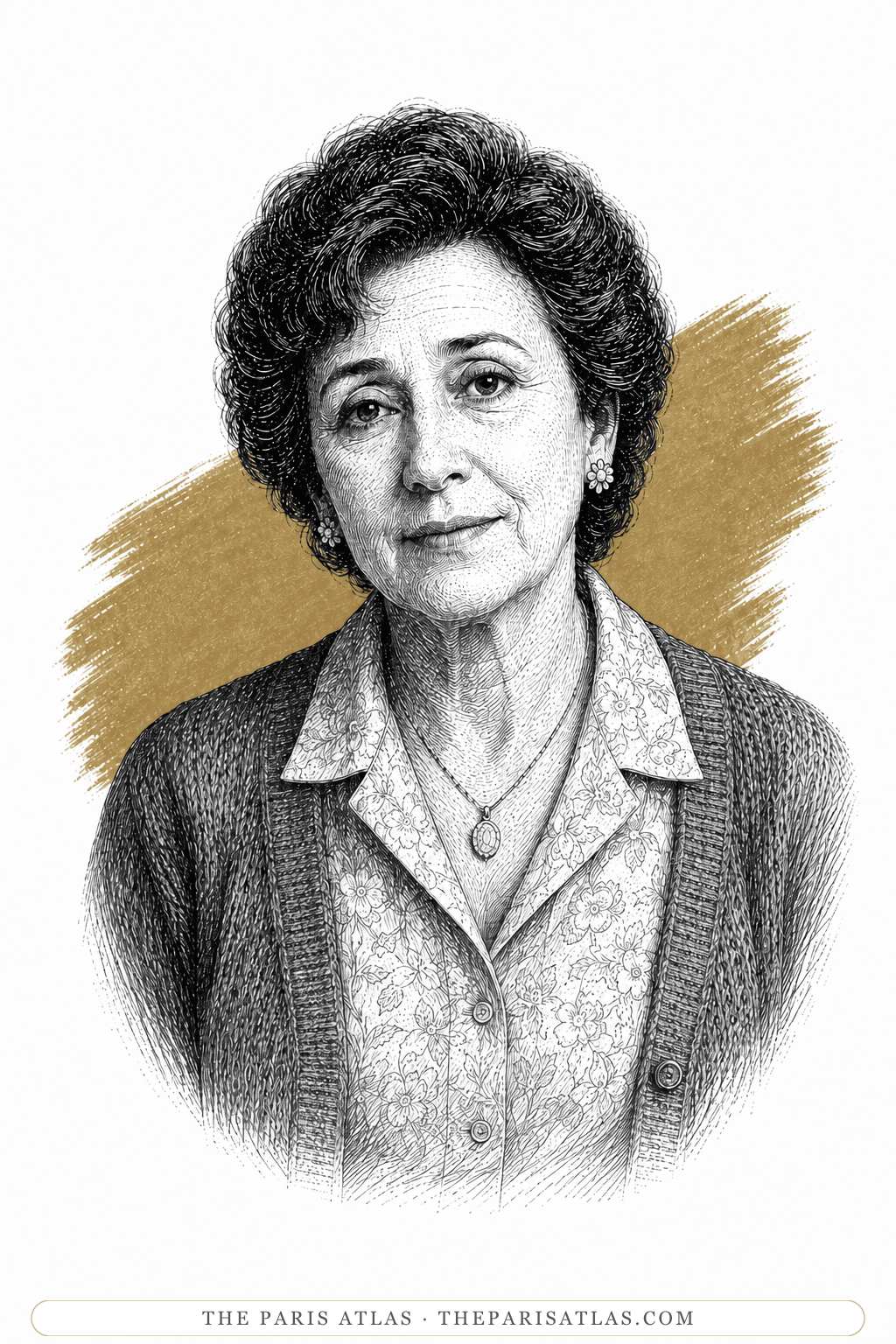
Sara Goldfarb
Harry’s lonely widowed mother, who becomes dependent on prescription diet pills while preparing for a television appearance that never comes.
To appear on television in her red dress and be recognized as the admired, transformed person she imagines she could become.
The book

At a glance
- Harry Goldfarb’s mother
- Appear on television after losing weight
- Prescription stimulants by day and sedatives at night
Who they are in the book
Spoiler-freeSara spends much of her life with television and the memory of her husband. A possible invitation to appear on a program gives her loneliness a new direction.
She wants to fit into a red dress from an earlier, happier time. A doctor’s stimulant-and-sedative regimen turns that hope into severe amphetamine psychosis.
How Sara Goldfarb Is Portrayed
- Older Jewish widowThe portrait treats her age, faith, and loneliness as human facts rather than caricature.
- Carefully styled hairShe prepares herself to be seen.
- Red dressA muted red accent recalls the dress without using a prop.
- Hopeful expressionThe dream begins in sincere longing.
- Underlying exhaustionThe strain of isolation and medication is already present.
- Domestic dignityHer ordinary life deserves the same seriousness as the younger characters’ story.
Sara’s psychosis worsens until she is hospitalized. She receives institutional treatment including ECT and ends physically and psychologically devastated, still imagining herself celebrated on television.
If you like Requiem for a Dream


If you like Hubert Selby Jr.
Explore authors with a similar voice, perspective, and influence.
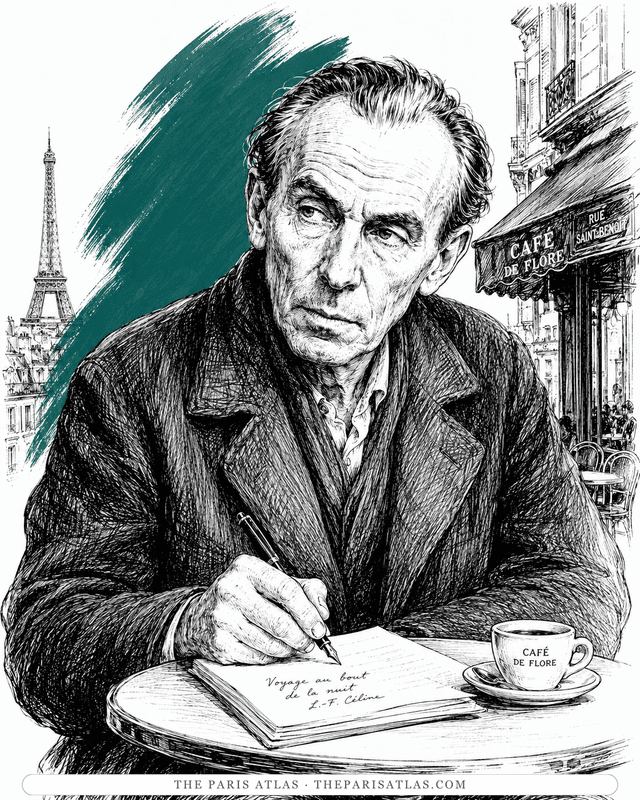
Louis-Ferdinand Céline
The doctor of the Paris slums who wrote the century's blackest, funniest novel — and changed the sound of French prose.
View author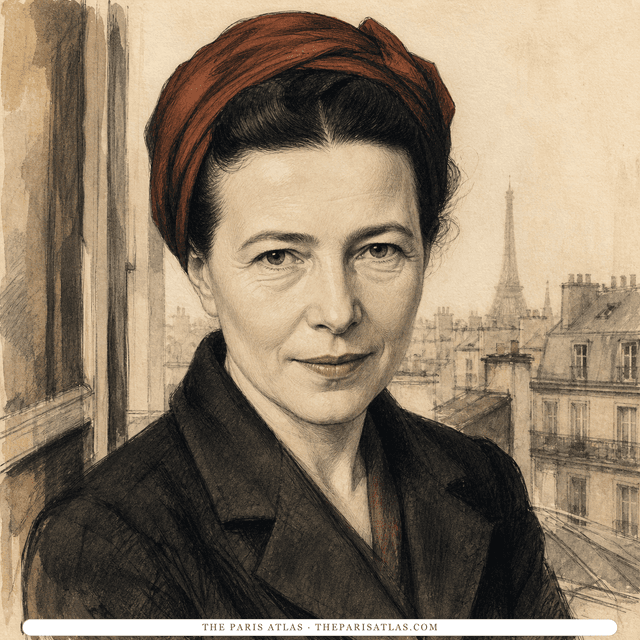
Simone de Beauvoir
French writer and philosopher whose novels, memoirs, and social analysis examined freedom, gender, responsibility, aging, and the material conditions that shape a life.
View author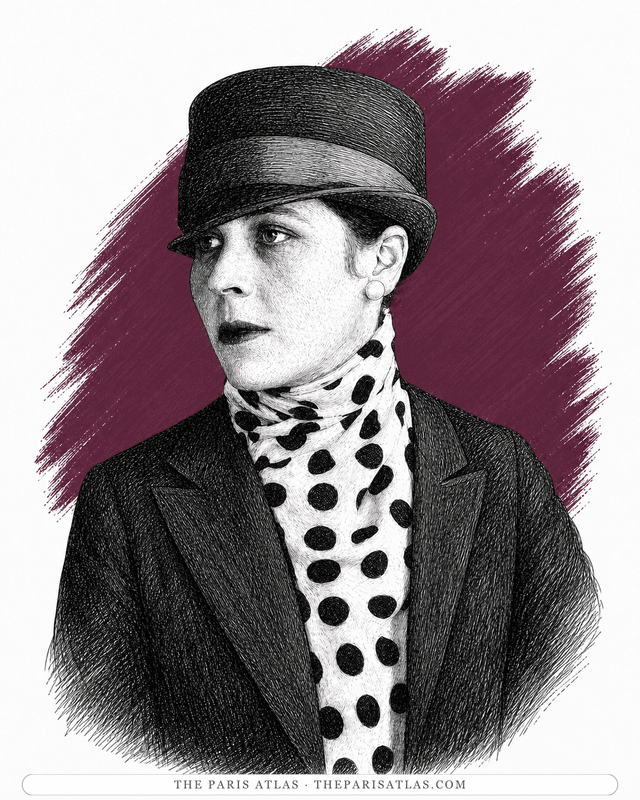
Djuna Barnes
American writer and illustrator (1892–1982). She was a New York newspaper reporter for eight years before she was a novelist, spent the 1920s and 1930s in Paris, and wrote Nightwood, the 1936 novel T. S. Eliot took to Faber and introduced.
View author