The Bellelli Family
by Edgar Degas
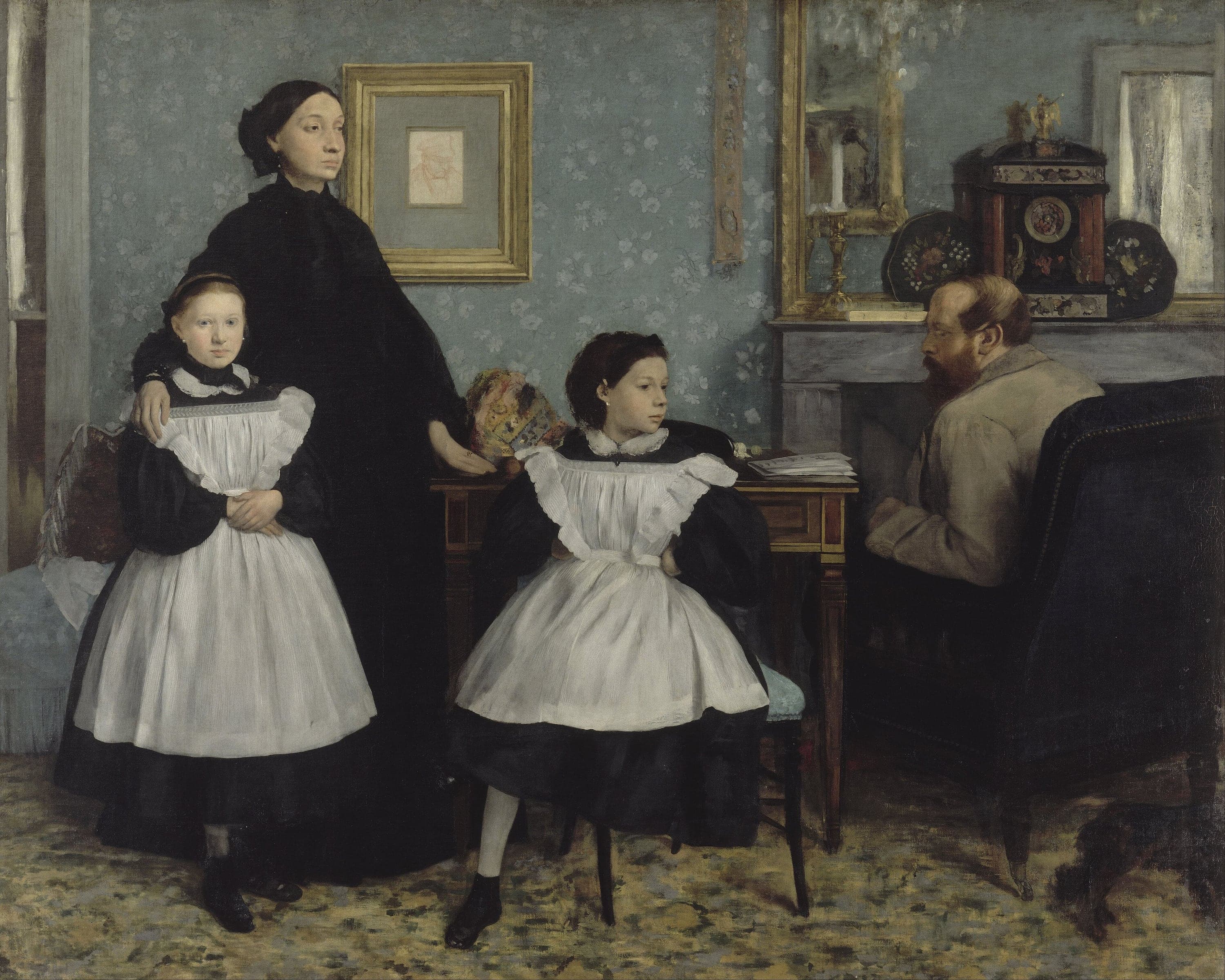
Edgar Degas painted his aunt Laura Bellelli standing in black with her two daughters, while her husband Gennaro sits at the fireplace with his back half-turned. He began it in Florence in 1858, when he was twenty-four, and the canvas is two and a half meters wide. It is at the Musée d'Orsay in Paris.
- 1858–1869
- Oil on canvas
- Musée d'OrsayParis, France
About Edgar Degas
Who is in the picture
Four people and a dog occupy a blue-gray drawing room. Standing at the left in a black dress is Laura Bellelli, born Laura Degas. She was the painter's aunt, the sister of his father Auguste. One hand rests on the shoulder of her elder daughter, Giovanna, born in December 1848 and about ten at the time of the sittings. The other hand is on the table.
The younger daughter, Giulia, born in July 1851, sits in the center on a small chair with one leg tucked under her. In the family the sisters were called Nini and Julie. Both girls wear black dresses with white pinafores, which is how Degas described them in a letter to his friend Gustave Moreau on 27 November 1858.
At the right, seen from behind and turning his head, Baron Gennaro Bellelli sits in an armchair by the fireplace. He was born in Naples on 18 September 1812. A small dog is walking out of the picture at the lower right and is cut in half by the frame.
Why the family is in mourning
The black is mourning for Degas's grandfather, Hilaire Degas, who died in Naples on 31 August 1858. Laura Bellelli and the girls were held up in Naples by the death and only reached Florence in early November. Degas started work after they arrived.
The framed drawing on the wall behind Laura Bellelli is a portrait of that grandfather, made by Degas himself. He mounted his own small study in a gray mat and a wide gilt frame so that it reads on the wall as an old master drawing rather than as a family memento.
Gennaro Bellelli was in Florence because he could not go home. He had sat as a deputy for Salerno in the Neapolitan parliament of 1848, fled after the rising of 15 May, and was exiled in 1849. He settled in Florence in 1852 and was only able to return to Naples in July 1860, after Giuseppe Garibaldi's expedition. He became a senator of the Kingdom of Italy in January 1861 and died in 1864.
Laura Bellelli's letters to her nephew are blunt about the marriage. She called her husband's nature detestable and wrote that living with a man who had no serious occupation would put her in her grave.
How it was made
Degas reached Florence on 4 August 1858 and stayed until March 1859, living in the Bellelli apartment at 1209 Piazza Maria Antonia, now the Piazza dell'Indipendenza. He drew constantly. The Musée du Louvre's print room holds fourteen Bellelli drawings, among them separate studies of Laura Bellelli's right hand, of six women's boots, and of a chair.
One sheet carries Degas's own note on Gennaro Bellelli's coloring: white eyelashes, walnut-colored hair, reddish beard. He dated that drawing Florence, 1860, on a second visit. Another study of the baroness's hand is annotated to say that the hand makes a hollow in the linen.
There was no studio in the apartment, and the art historian Henri Loyrette argues that a canvas this size was almost certainly painted in Paris rather than Florence. A smaller pastel working-out of the composition is at Ordrupgaard in Copenhagen. Comparing it with the finished canvas shows what Degas added: the sprinkling of white flowers on the blue wall, and the doorway opening into a further room at the left.
The mirror over the fireplace reflects the drops of a chandelier, a door or window frame, and part of a painting that appears to show a racing scene. Degas did not take up racing subjects until the 1860s, which is one reason the picture is thought to have been worked on well after the Florence sittings.
What the 2022 restoration found
The canvas was restored in 2022 by the Musées d'Orsay et de l'Orangerie with the Centre de recherche et de restauration des musées de France, paid for by the Friends of Florence. X-rays and infrared showed how much Degas changed as he went. Giovanna Bellelli's face was repositioned, the baron's chair was reworked at length, and both sisters' faces were repainted as the girls grew older.
The examination also found four large tears in the canvas, crossing Laura Bellelli's face, the clock, Giovanna's pinafore and the baron's chair. Preparatory drawing runs over the fills used to repair them, which means Degas was working on the canvas after it had been torn and mended.
How France bought it
Degas kept the painting all his life. He deposited it with the dealer Durand-Ruel in February 1913. After he died in September 1917, his studio was sold off in a series of auctions at the Galerie Georges Petit on the rue de Sèze, the first running from 6 to 8 May 1918.
The canvas was catalogued as lot 4 in that first sale but was bought before the bidding, by the Musée du Luxembourg. Henri Loyrette, working from the Durand-Ruel archive, gives the price as 300,000 francs, of which 50,000 came from the Comte and Comtesse de Fels. The asking price had been 400,000 until the painter's brother René de Gas took 100,000 off it, and 400,000 is the figure that reached the press at the time.
It moved from the Luxembourg to the Louvre in 1929, to the Jeu de Paume in 1947, and to the Musée d'Orsay when that museum opened in 1986.
Was it shown at the Salon of 1867?
The Musée d'Orsay's exhibition record lists the Salon of 1867 with the note that it was number 444 or 445. The Salon booklet for that year supports only part of that. Under DE GAS (edgard) it lists two entries, 444 and 445, both called simply portrait de famille, with no sizes and no sitters named.
Henri Loyrette argues the case from other evidence. François Thiébault-Sisson published a memory in 1918 of seeing the family portrait in Degas's studio in 1879, and the painter Jean-Jacques Henner made a remark about it that was written down in 1881. There is also a crackle in the embroidery on the table, where fresh paint was applied before the layer under it had dried. Degas wrote to the Surintendant des Beaux-Arts on 13 March 1867 asking to retouch work he had already delivered.
Other scholars are not persuaded. The catalogue raisonné hedges on both the year and the number. Theodore Reff dates the painting 1859 to 1860 and does not mention a Salon showing at all. No review of the Bellelli group from 1867 has been found.
Close reading
Reading the work, detail by detail
The room divides down the middle. Three figures in mourning black stand and sit together at the left; the father sits apart at the right, turned away. The details follow each person, the portrait on the wall that explains the black, and the dog leaving the picture.
1.Laura Bellelli stands in full mourning
Degas's aunt is the tallest thing in the room and the darkest. She is in mourning for her father, Hilaire Degas, who had died in Naples on 31 August 1858, and one hand rests on her elder daughter's shoulder.
2.Giovanna stands with her hands clasped
Giovanna Bellelli, born in December 1848, is the elder sister and the only figure looking directly at the painter. Henri Loyrette, working from unpublished family letters, describes her as an undisciplined child and reads the folded hands as a show of good behavior.
3.Giulia sits with one leg tucked under her
Giulia Bellelli, born in July 1851, was seven. She perches on the edge of the chair with one leg folded away under her skirt and her hands turned back at her waist.
4.The baron sits with his back half-turned
Gennaro Bellelli had been exiled from Naples in 1849 for his part in the previous year's rising, and had been living in Florence since 1852. Degas put him on the far side of the room, in a chair, seen from the back.
5.The grandfather hangs on the wall
This is Degas's own portrait of his grandfather Hilaire Degas, whose death put the family in black. He mounted his study in a gray mat and a heavy gilt frame so that it would read on the wall as an old master drawing.
6.A dog walks out of the picture
Only the back half of the animal is on the canvas. The Musée d'Orsay's notice calls it a curious little dog split by the frame. It is the one figure in the room that is moving.
Timeline
1842
Laura Degas marries Baron Gennaro Bellelli in Naples on 31 August.
1849
Gennaro Bellelli is exiled from Naples for his part in the rising of 1848. He settles in Florence in 1852.
1858
Degas's grandfather Hilaire Degas dies in Naples on 31 August. Degas is already in Florence; his aunt and cousins arrive in early November in mourning, and he begins the portrait.
1860
Degas returns to Florence for under a month and draws Gennaro Bellelli again, dating the sheet Florence, 1860.
1867
Two works by Degas titled Portrait de famille hang at the Salon as numbers 444 and 445. Whether either of them is this canvas is argued, not documented.
1913
Degas deposits the painting with Durand-Ruel in Paris in February.
1918
Catalogued as lot 4 of the first Degas studio sale at the Galerie Georges Petit, 6 to 8 May, it is bought before the auction by the Musée du Luxembourg with help from the Comte and Comtesse de Fels.
1986
The painting is transferred from the Louvre to the Musée d'Orsay.
2022
Restored by the Musée d'Orsay with the Centre de recherche et de restauration des musées de France, funded by the Friends of Florence. The study finds four old tears and extensive reworking.
Where to see it
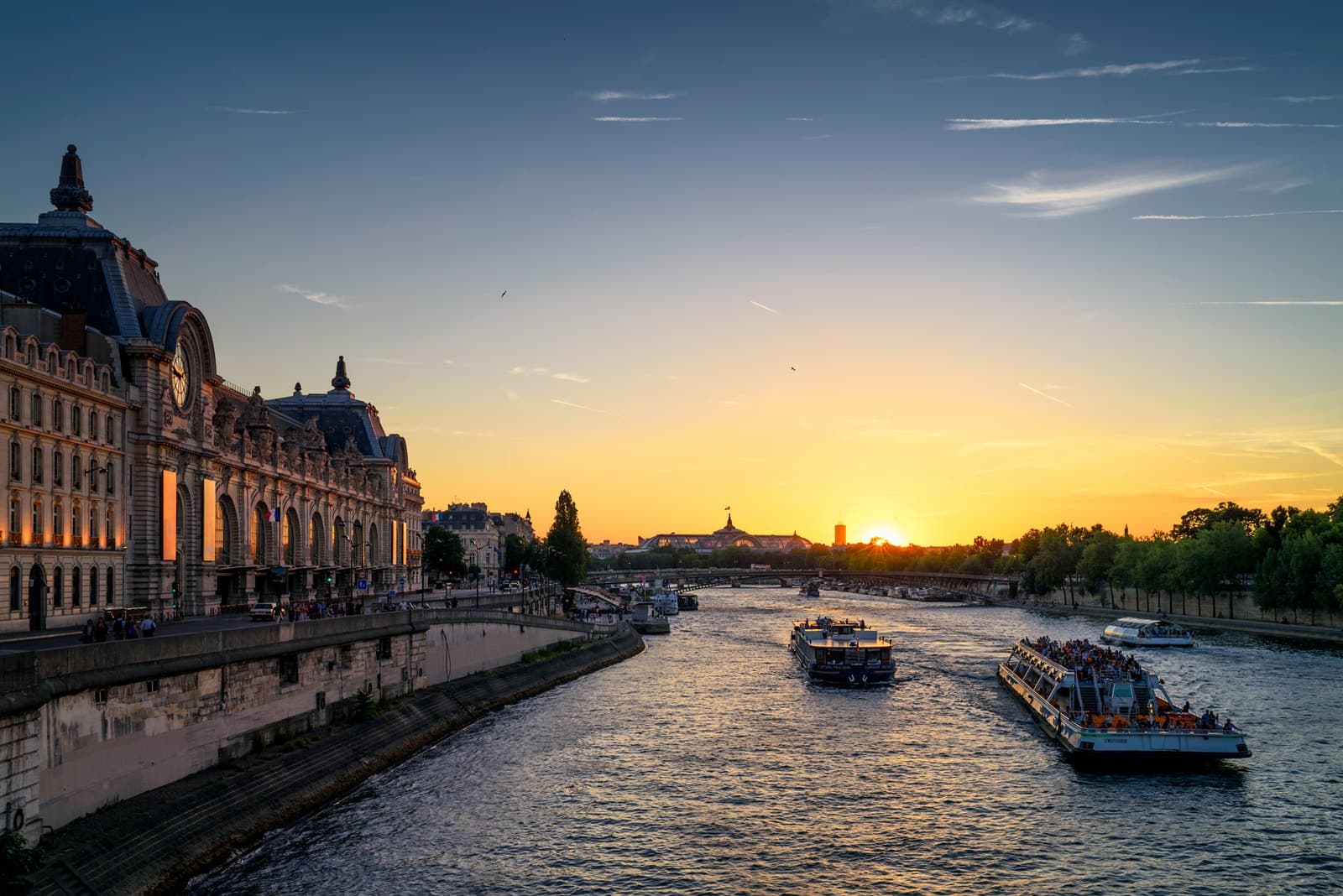
Musée d'Orsay
Esplanade Valéry Giscard d’Estaing, 75007 Paris, France
Displays and loans can change. Check whether this work is on view before making a special trip.
Plan your visitFrequently asked questions
Who are the people in The Bellelli Family?
Laura Bellelli, born Laura Degas, was the painter's aunt; she stands in black at the left. Her elder daughter Giovanna stands beside her and her younger daughter Giulia sits in the center. Her husband, Baron Gennaro Bellelli, is in the armchair at the right. Giovanna was born in December 1848 and Giulia in July 1851.
Why is everyone wearing black in The Bellelli Family?
They are in mourning for Degas's grandfather, Hilaire Degas, who died in Naples on 31 August 1858. The framed drawing on the wall behind Laura Bellelli is a portrait of him that Degas made himself and then mounted in a gilt frame.
Where is The Bellelli Family?
At the Musée d'Orsay in Paris, inventory number RF 2210. It is oil on canvas and measures 201 by 249.5 centimeters. The French state bought it in 1918 out of the first sale of Degas's studio.
Why was the Bellelli family living in Florence?
Gennaro Bellelli had been a deputy in the Neapolitan parliament of 1848 and was exiled in 1849 after the rising was put down. He settled in Florence in 1852 and could not go back to Naples until July 1860. He was made a senator of the Kingdom of Italy in January 1861 and died in 1864.
How old was Degas when he painted The Bellelli Family?
Twenty-four when he started. He arrived in Florence on 4 August 1858, stayed with the Bellelli family until March 1859, and went on working on the canvas afterward in Paris. The Musée d'Orsay dates the finished picture between 1858 and 1869.
Was The Bellelli Family exhibited in Degas's lifetime?
Possibly once, and the evidence is indirect. The Salon of 1867 listed two works by Degas both called Portrait de famille, numbers 444 and 445, with nothing to distinguish them. Henri Loyrette argues that one of them was this canvas; the catalogue raisonné hedges on the year and the number, and other scholars doubt it was ever shown.
What did the 2022 restoration reveal?
That Degas reworked the painting heavily and that it had been badly damaged. X-rays showed Giovanna Bellelli's face moved, the baron's chair changed, and both sisters' faces repainted as they aged. The canvas carries four large tears, and drawing runs across the fills that repaired them, so Degas was still working after the mending.
More by Edgar Degas
If you like Edgar Degas
Explore painters from the same movements and circles.
Gustave Caillebotte
Painter of Haussmann's geometry and the group's organizer-financier; his bequest of Impressionist paintings forced the French state to take the movement in.
View artist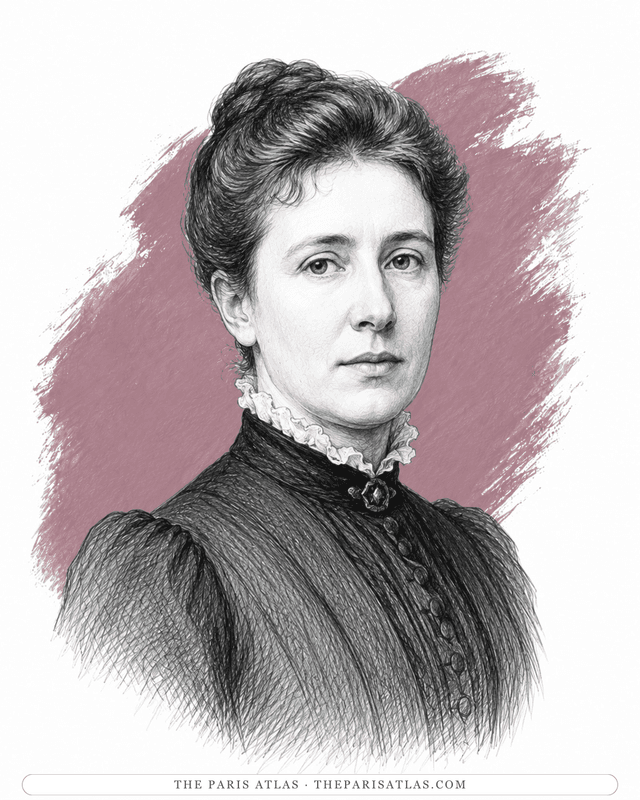
Mary Cassatt
Mary Cassatt was an American painter and printmaker known for her depictions of women and children. Based in France for the last fifty-two years of her life, she was the only American to exhibit with the original French Impressionist group, participating in four of its eight exhibitions. Edgar Degas invited her to exhibit with the group in 1877 after the Salon jury rejected her submissions.
View artist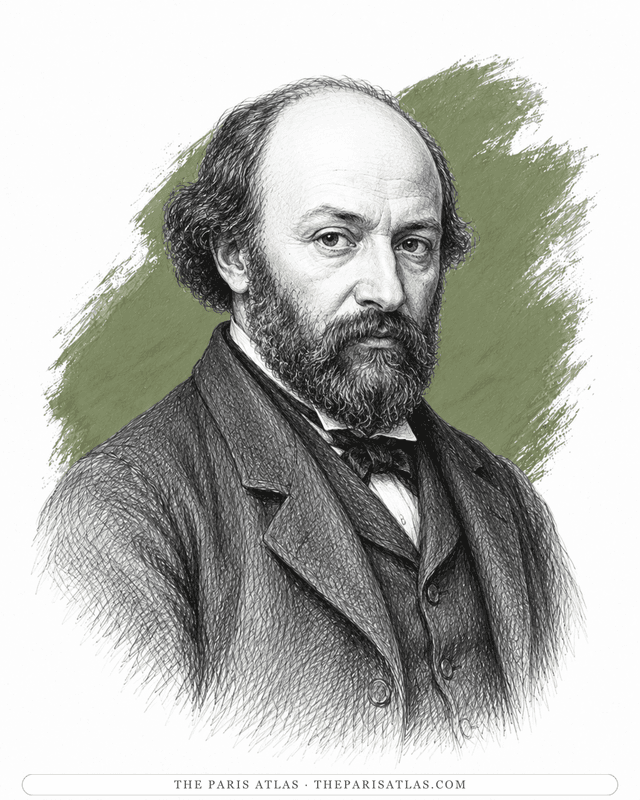
Paul Cézanne
Painter between Impressionism and everything after — shown in the independents' exhibitions, emulated by the Cubists, and present at the Orangerie through 15 works in the Walter-Guillaume collection.
View artist
References
The sources below include collection records, catalogues, scholarly research, and primary materials that informed this page. They document The Bellelli Family, its making, and its place in cultural history.


1Edgar Degas, Portrait de famille, also called La famille Bellelli, RF 2210
WebsiteMusée d'OrsayUsed forWeb source consulted for documented facts and historical context presented on the The Bellelli Family page.

2Joconde notice 000PE003801: Portrait de famille, dit aussi La famille Bellelli, RF 2210
Official recordMinistère de la Culture, Plateforme ouverte du patrimoineUsed forOfficial record used to verify names, dates, institutional details, or other factual information on this page.
3Degas
Exhibition catalogueThe Metropolitan Museum of Art, New York, and the National Gallery of Canada, Ottawa, 1988Used forCatalogue scholarship used to verify attribution, provenance, chronology, and interpretive context for The Bellelli Family.
4La Famille Bellelli: étude d'œuvre
Official recordCentre de recherche et de restauration des musées de FranceUsed forOfficial record used to verify names, dates, institutional details, or other factual information on this page.
5Restauration du chef-d'œuvre de Degas Portrait de famille (1858-1869) grâce au mécénat des Friends of Florence
Official recordMusées d'Orsay et de l'Orangerie, 2023Used forOfficial record used to verify names, dates, institutional details, or other factual information on this page.
6Edgar Degas, Portrait du baron Gennaro Bellelli, RF 15484
WebsiteMusée du Louvre, département des Arts graphiquesUsed forWeb source consulted for documented facts and historical context presented on the The Bellelli Family page.
7Bellelli, Gennaro, in Dizionario Biografico degli Italiani, volume 7
BiographyIstituto della Enciclopedia Italiana, 1970Used forBiographical evidence used to verify chronology, relationships, and historical context connected to The Bellelli Family.
8Portrait d'une famille bourgeoise
WebsiteL'Histoire par l'image, Ministère de la Culture, 2016Used forWeb source consulted for documented facts and historical context presented on the The Bellelli Family page.
9Portrait de famille, ou La famille Bellelli, MS 1260, in the Degas catalogue raisonné
Official recordFondation Wildenstein Plattner Jr.Used forOfficial record used to verify names, dates, institutional details, or other factual information on this page.
These references provide the documented foundation for this work's history and interpretation. Claim-level citations remain attached to the specific claims they support.
 Explore more resources