The Card Players
by Paul Cézanne
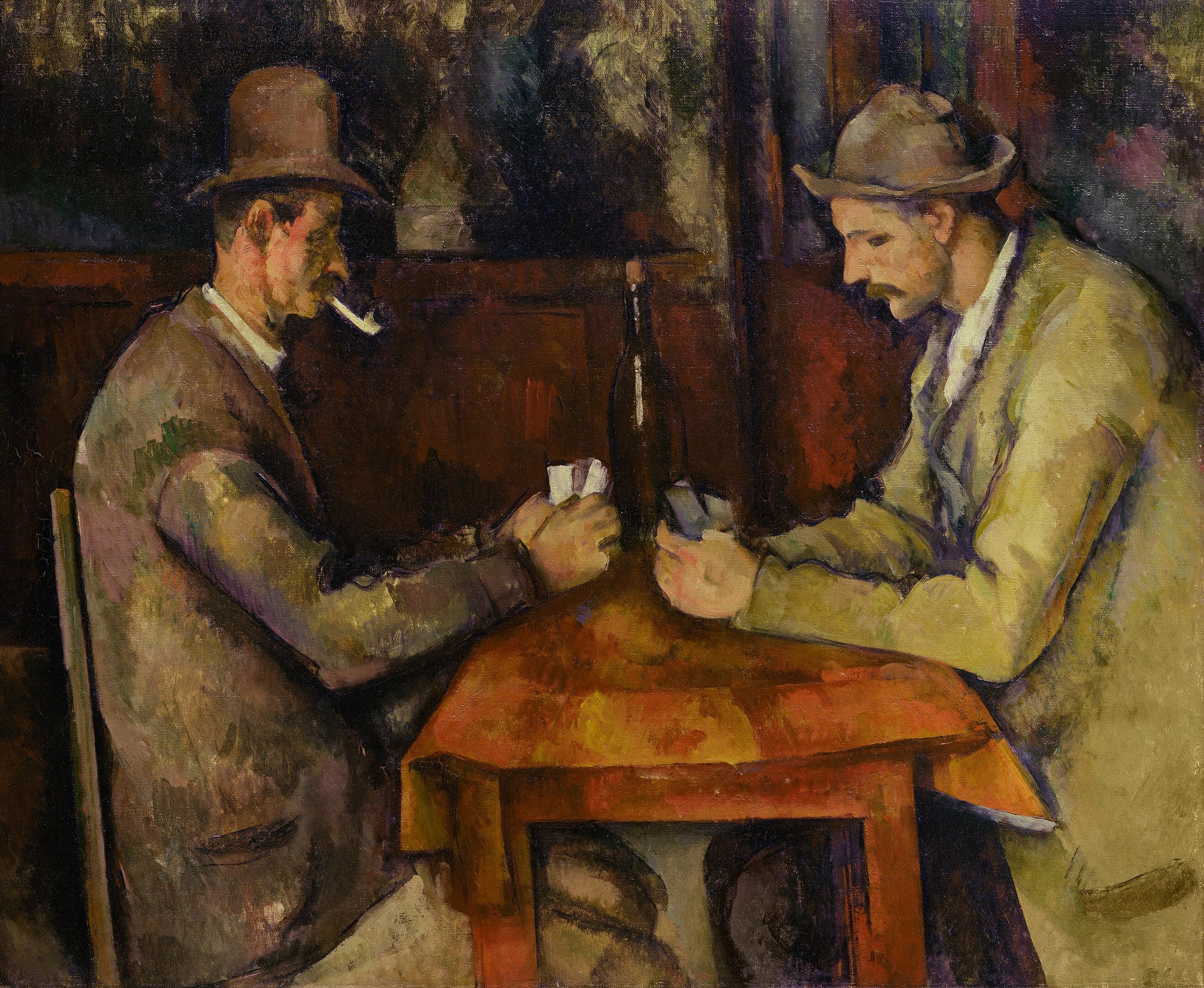
Two men sit across a table with cards in their hands and a bottle between them. Paul Cézanne painted five canvases of card players in the 1890s, and this is the smallest and plainest of them: no onlookers, no room to speak of, just the two players and the bottle. It came to the French state in 1911 in the bequest of Count Isaac de Camondo and is now at the Musée d'Orsay.
- 1893–1896
- Oil on canvas
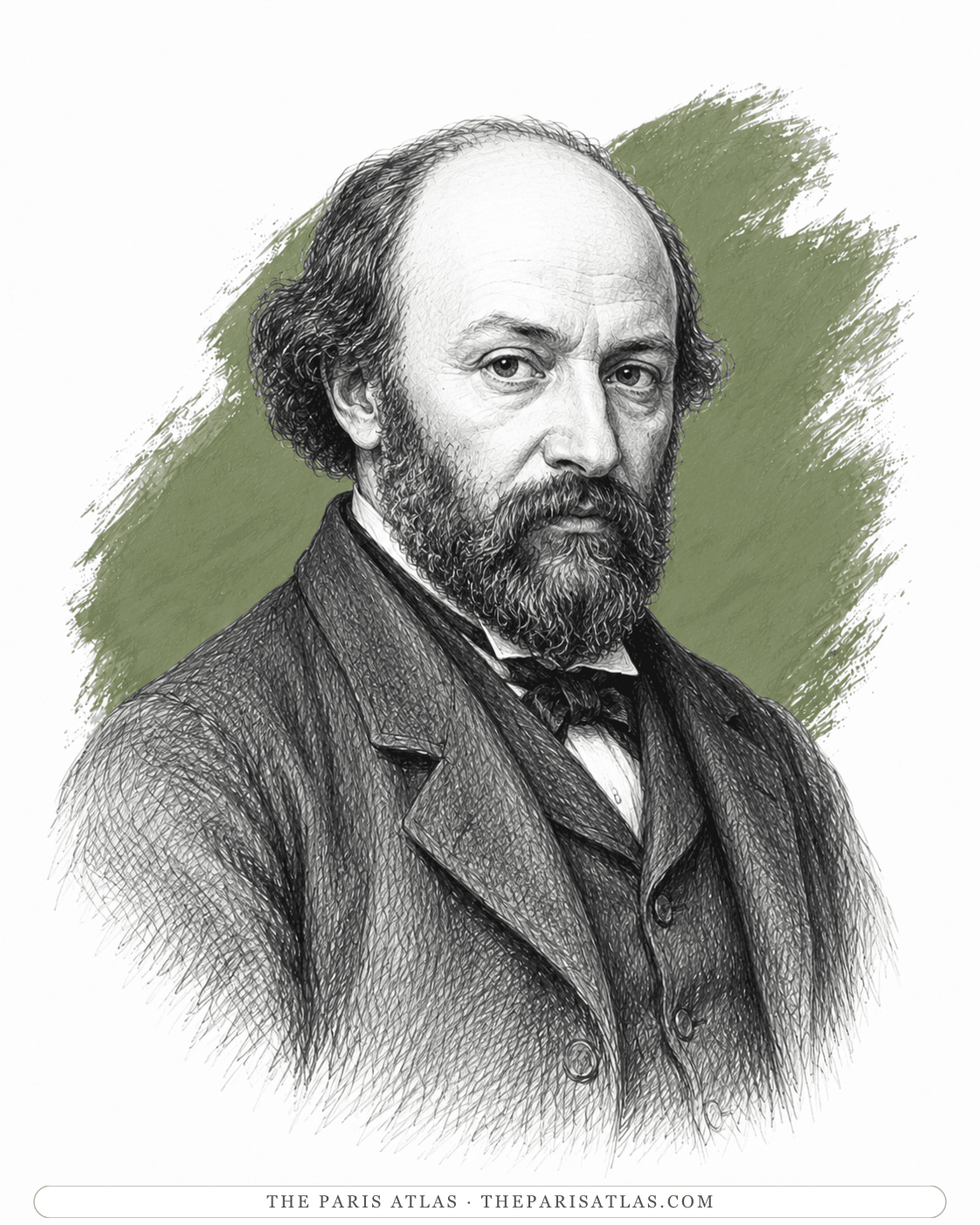
About Paul Cézanne
What the painting shows
Two men face each other across a small table. The one on the left wears a tall brown hat and a purple-brown coat and smokes a white clay pipe, his cards held low. The one on the right, in a soft grey-green hat and a pale cream jacket, looks down at his hand. Neither is looking at the other. A single bottle stands on the bare wooden table between them.
The bottle does the organising. It sits almost exactly in the middle of the canvas, catching the light, and splits the picture into two halves that hold each other in balance. The two men lean in towards it at matching angles. Nothing else is happening — no crowd, no tavern, no window, barely a wall.
This is the smallest of the five card-player canvases at 47 by 56.5 centimetres, about eighteen by twenty-two inches. The Musée d'Orsay calls it one of the most spare of the group and credits that bareness with giving it its weight.
One of five
Cézanne worked at this subject repeatedly through the 1890s and left five paintings of it. Two show three or four figures, with a standing onlooker; three reduce the scene to two seated players. The other four are at the Metropolitan Museum of Art in New York, the Courtauld Gallery in London, the Barnes Foundation in Philadelphia, and one in a private collection.
The Orsay version is the last stage of that stripping-down. In the catalogue raisonné compiled by John Rewald, Walter Feilchenfeldt and Jayne Warman it is number 714; Lionello Venturi listed it as number 558 in 1936.
Who the players are
The men are believed to be farm workers Cézanne knew at the Jas de Bouffan, the property outside Aix-en-Provence that his father bought in 1859 and where the painter kept a studio. The Musée d'Orsay records that the pipe smoker — the man on the left, in the tall hat — has been identified as "père Alexandre", the gardener there.
Cézanne had also seen a painting of card players attributed to the Le Nain brothers at the museum in Aix, his home town, and the Orsay traces the subject back through that picture to Caravaggio. What he took from it was the set-up rather than the drama. The Le Nain and Caravaggio versions turn on a cheat, a glance, a hand signal. Cézanne removes all of that and leaves two men concentrating.
How it reached the Orsay
The painting passed through the dealer Ambroise Vollard, then the collector Denys Cochin, then the Durand-Ruel gallery, before entering the collection of Count Isaac de Camondo in Paris. Camondo left his collection to the national museums, and the State accepted the bequest in stages through 1911, with the final order signed on 23 November that year.
It went to the Louvre, where it was on show from 1914, moved to the Jeu de Paume in 1947, and was transferred to the Musée d'Orsay when that museum opened in 1986. As of September 2026 the Orsay lists it as not currently on display, so anyone travelling to see it should check first.
Close reading
Reading the work, detail by detail
This is the smallest and barest of the five card-player canvases: two men, a table and a bottle. Close views show how little Cézanne left in the room, and how much work the single bottle does in holding the two halves of the picture apart.
1.A white clay pipe, and the man who holds it
The Musée d'Orsay identifies the pipe smoker as père Alexandre, the gardener at the Jas de Bouffan, the property outside Aix that Cézanne's father bought in 1859. The pipe is the brightest object in the left half of the canvas — a hard white note in a picture otherwise made of browns.
2.The hat is almost a cylinder
Cézanne paints the hat as a solid block rather than a piece of felt, with the crown flattened and the sides straight. It is the clearest case in the picture of him treating clothing as geometry, and it gives the left figure the weight that keeps the composition from tipping.
3.The bottle holds the middle
It stands almost exactly on the vertical centre line and splits the canvas into two halves that balance each other. The Musée d'Orsay describes the light on it as forming the picture's central axis. Take the bottle away and the two players would simply be sitting near each other.
4.Four hands, no eye contact
The hands are the only place the two men come near each other. Both sets are painted as blunt working hands, thick at the knuckle. The cards are held low and close, and nothing in the picture tells you who is winning, because Cézanne is not interested in that.
5.A soft hat pulled low
He is younger than the other man and his hat is soft where the other's is rigid. His head is tipped further down over his cards. The pale jacket makes him the lightest area in the painting, which is how Cézanne keeps the right side from being swallowed by the dark wall behind.
6.Bare wood, no cloth
There is no cloth, no glass and no money on the table — just wood, painted in flat slabs of orange and ochre. Card-player pictures before this one usually carried a wager, a cheat or a bystander. Cézanne removes all of it and leaves the furniture.
Timeline
1859
Cézanne's father buys the Jas de Bouffan outside Aix-en-Provence, where the painter later works and where the card players are thought to have been farmhands.
1893–96
Painted, as one of five canvases on the subject made during the 1890s.
1911
Enters the national collections with the bequest of Count Isaac de Camondo, accepted by order of 23 November. Assigned to the Louvre.
1914
Goes on display at the Louvre.
1947
Moves to the Jeu de Paume with the Louvre's Impressionist holdings.
1986
Transferred to the Musée d'Orsay on its opening.
2010–11
Shown in Cézanne's Card Players at the Courtauld Gallery and the Metropolitan Museum of Art, the exhibition that brought the versions together.
Where to see it
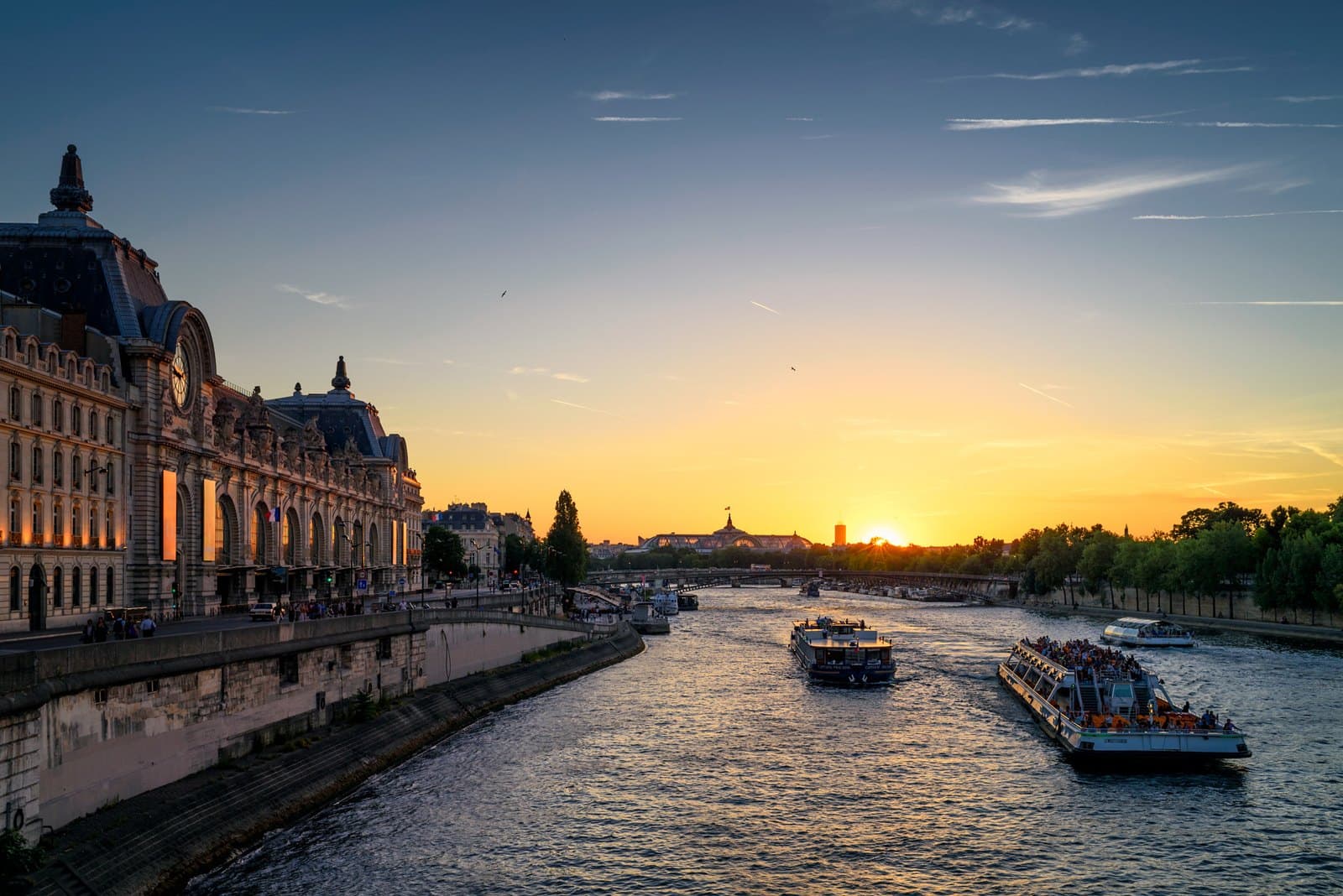
Musée d'Orsay
Esplanade Valéry Giscard d’Estaing, 75007 Paris, France
Displays and loans can change. Check whether this work is on view before making a special trip.
Plan your visitFrequently asked questions
Where is Cézanne's The Card Players?
There are five paintings of the subject. This one is at the Musée d'Orsay in Paris, accession number RF 1969. The others are at the Metropolitan Museum of Art, the Courtauld Gallery in London, the Barnes Foundation in Philadelphia, and in a private collection. As of September 2026 the Orsay lists its version as not currently exhibited.
How many versions of The Card Players did Cézanne paint?
Five, all during the 1890s. Two include extra figures, including a standing onlooker; three show only two seated players. The Orsay's is the smallest and the plainest of them.
Who are the men in The Card Players?
They are thought to be farm workers from the Jas de Bouffan, the property near Aix-en-Provence that Cézanne's father bought in 1859. The Musée d'Orsay records that the pipe smoker — the man on the left, in the tall hat — has been identified as "père Alexandre", the gardener on the estate.
How big is the Orsay's Card Players?
47 by 56.5 centimetres, roughly eighteen by twenty-two inches — small for a painting this well known, and the smallest of the five versions.
Why is the bottle in the middle of The Card Players?
It holds the composition together. The bottle stands close to the centre of the canvas and divides it into two balanced halves, with a player leaning in on each side. The Musée d'Orsay describes the light on the bottle as forming the central axis of the picture.
What was Cézanne's source for The Card Players?
He had seen a painting of card players attributed to the Le Nain brothers at the museum in Aix-en-Provence, a subject that goes back to Caravaggio. Cézanne kept the arrangement and dropped the storytelling — there is no cheating, no signalling and no reaction, only two men concentrating on their hands.
More by Paul Cézanne
If you like Paul Cézanne
Explore painters from the same movements and circles.
Paul Gauguin
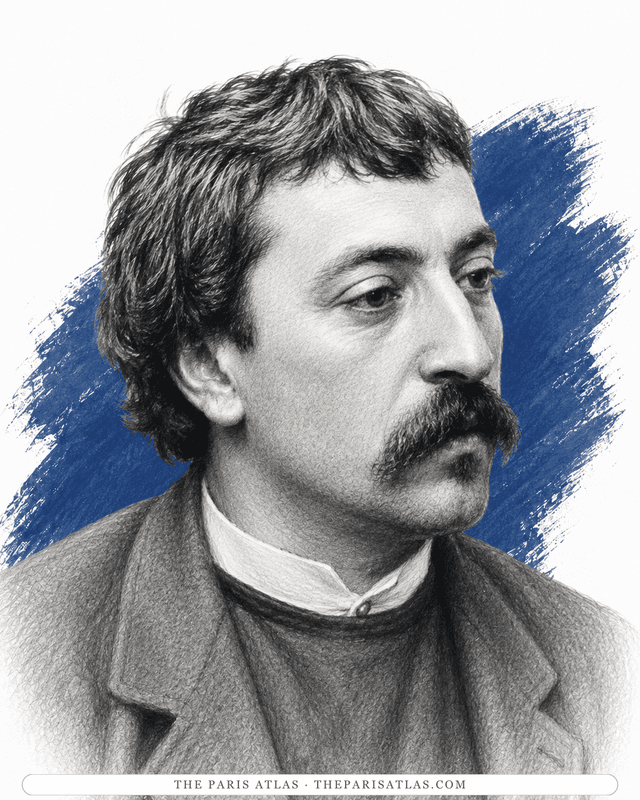
Stockbroker turned painter who came into art through Camille Pissarro, showed with the Impressionists, and left Europe for Polynesia.
View artist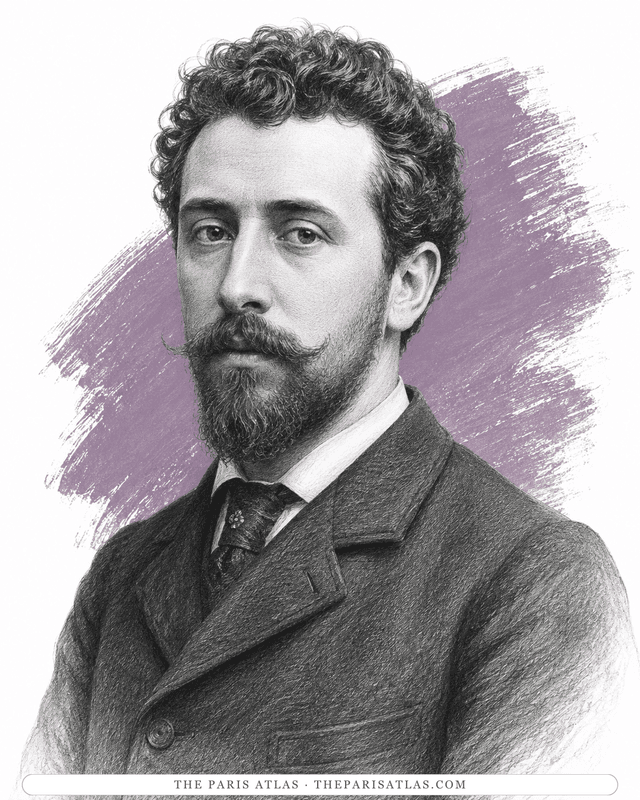
Georges Seurat
Parisian painter who built pictures from small dots of pure colour on optical principle, co-founded the Salon des Indépendants, and detonated the last Impressionist exhibition of 1886 with A Sunday on La Grande Jatte. He died at thirty-one.
View artist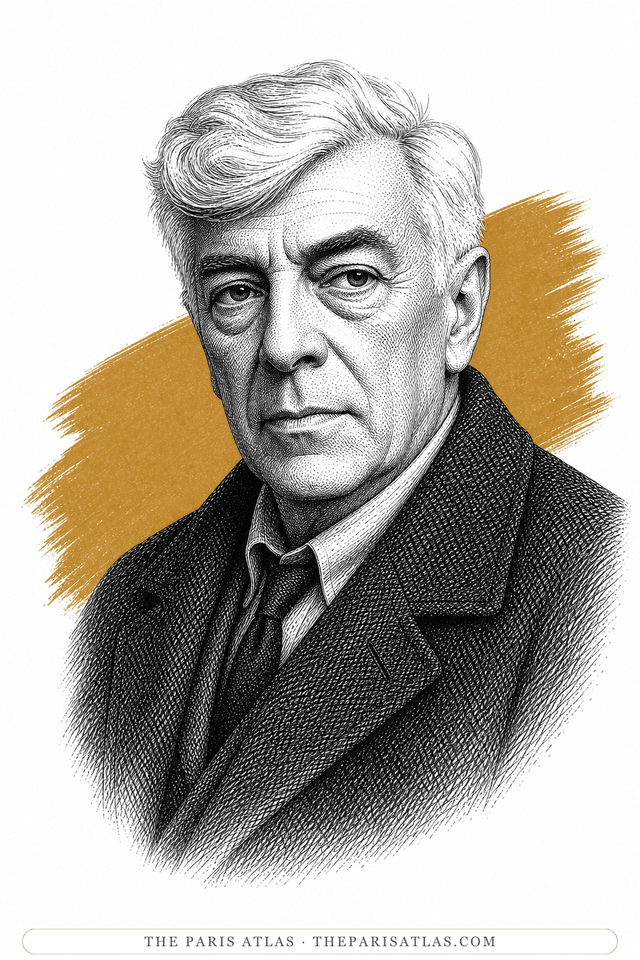
Georges Braque
The Le Havre house-painter's son who invented Cubism in Montmartre with the Spanish painter Pablo Picasso between 1908 and 1914 — the quieter half of the most consequential partnership in modern art — and who invented papier collé, the pasted-paper picture, in September 1912. He was given a French state funeral in 1963.
View artist
References
The sources below include collection records, catalogues, scholarly research, and primary materials that informed this page. They document The Card Players, its making, and its place in cultural history.

1The Card Players — Paul Cézanne
WebsiteMusée d’Orsay — “Les Joueurs de cartes”Used forWeb source consulted for documented facts and historical context presented on the The Card Players page.
2The Card Players, Paul Cézanne
WebsiteThe Metropolitan Museum of ArtUsed forWeb source consulted for documented facts and historical context presented on the The Card Players page.
3Bastide du Jas de Bouffan
WebsiteOffice de Tourisme d'Aix-en-ProvenceUsed forWeb source consulted for documented facts and historical context presented on the The Card Players page.
4Cézanne: The Artist's Artist
WebsiteArt Institute of ChicagoUsed forWeb source consulted for documented facts and historical context presented on the The Card Players page.
These references provide the documented foundation for this work's history and interpretation. Claim-level citations remain attached to the specific claims they support.
 Explore more resources