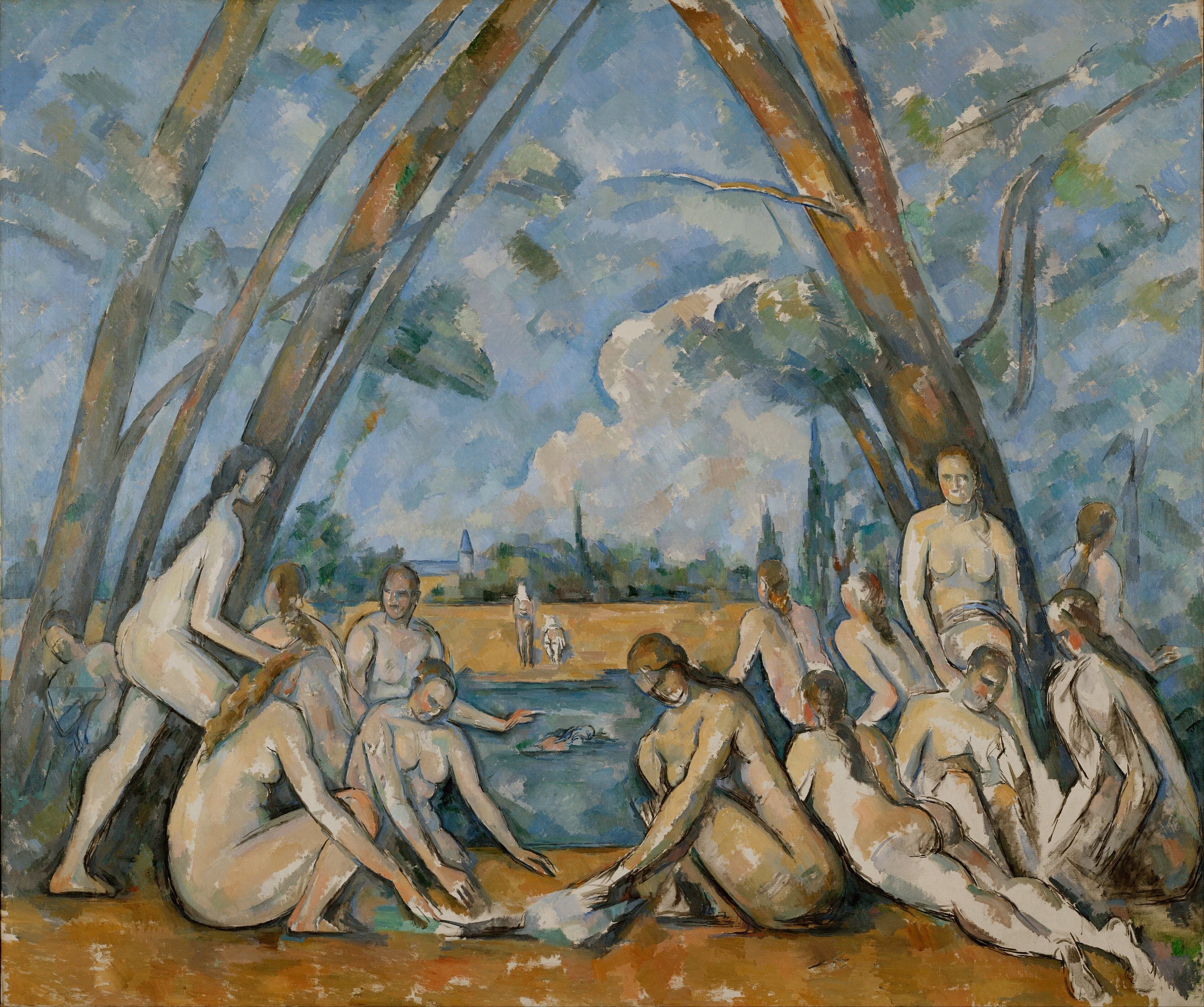
The Large Bathers
by Paul Cézanne
Fourteen nude figures sit and stand along a riverbank while the trees above them lean together into an arch. Paul Cézanne worked on this canvas from about 1900 until his death in 1906 and never called it finished. The Philadelphia Museum of Art, which owns it, describes it as the largest, the last and the most ambitious of the bather paintings he made across thirty years.
- 1900–1906
- Oil on canvas
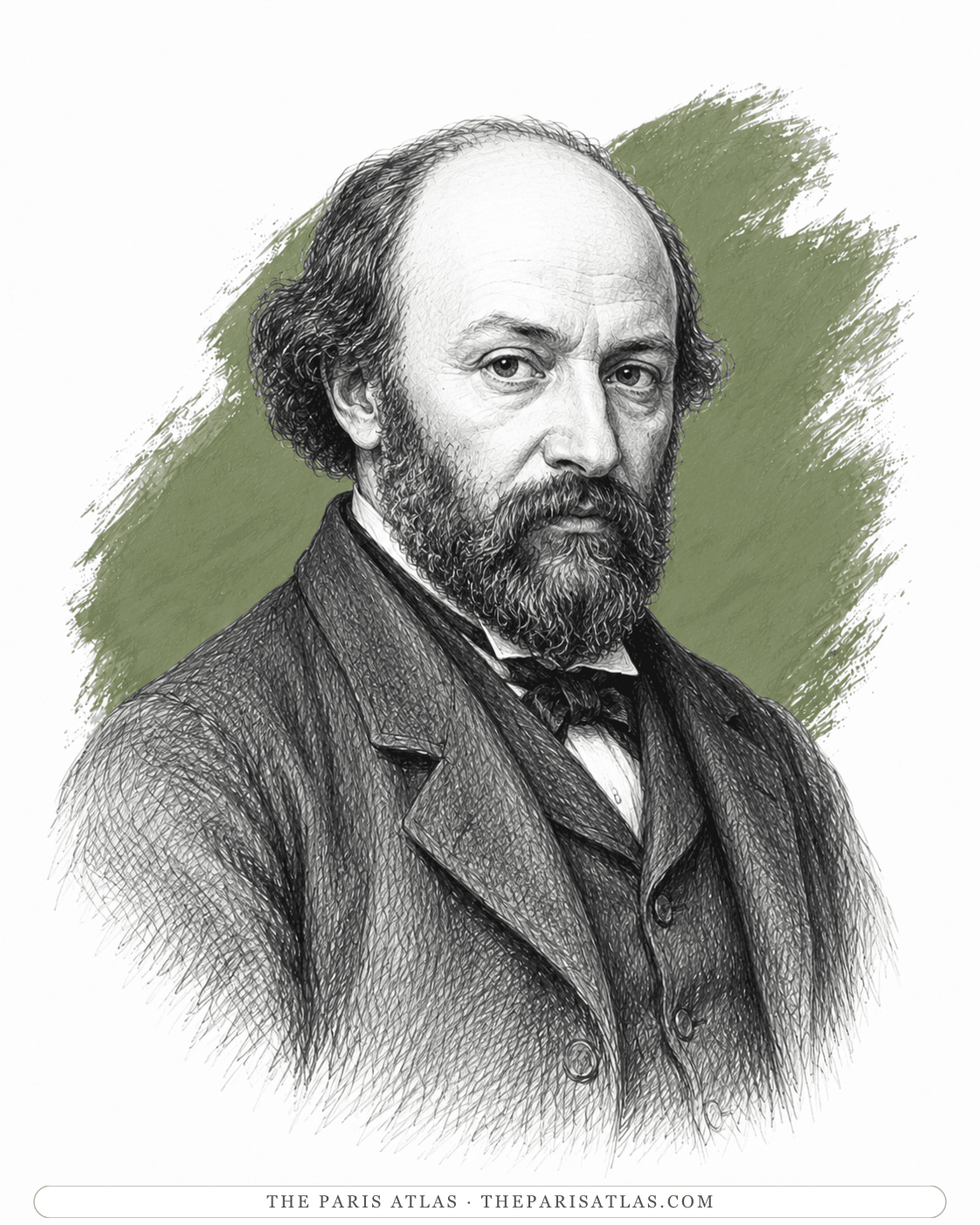
About Paul Cézanne
What the painting shows
Nude women are arranged in two groups along the near bank of a river, some seated, some lying, some standing with their backs to the viewer. On the far bank there is a stretch of low blue-green country, a church spire and one or two small figures with a swimmer in the water.
The trees are what organise everything. Two lines of trunks rise from the left and right edges and lean inwards until they nearly meet at the top, making a shallow triangle that frames the sky and pushes the eye down onto the figures. The bodies echo that triangle: the outermost women lean in at roughly the same angle as the trunks.
The figures are not portraits and were not painted from life. The bodies are blocky and simplified, some without features, built out of the same blue-grey and ochre planes as the ground and the trees. Cézanne was not painting particular women bathing; he was working out how bodies and landscape could be made of one substance.
Thirty years of bathers
Cézanne returned to groups of bathers throughout his career, in dozens of oils and watercolours, male and female. The subject let him do something that portraiture and landscape separately did not: put invented figures into a landscape and arrange them purely for the sake of the composition.
Three canvases are known as the Large Bathers. One is at the National Gallery in London, one at the Barnes Foundation in Philadelphia, and this one at the Philadelphia Museum of Art, which is the biggest of the three.
Left unfinished
He worked on it over roughly the last six years of his life and it was in the studio when he died on 22 October 1906. Bare canvas shows through in places and several figures are stated only in outline. Whether that counts as unfinished is a real question with Cézanne, whose late pictures often stop at the point where adding more would close something he wanted left open.
The picture went from Cézanne's estate to the dealer Ambroise Vollard, who bought it from the painter's son in 1907, and then to the collector Auguste Pellerin. The Philadelphia Museum of Art acquired it in 1937 through the W. P. Wilstach Fund; its accession number is W1937-1-1.
What came after
Cézanne's memorial retrospective at the Salon d'Automne in Paris in 1907 put the late work in front of the younger painters in the city. Pablo Picasso's Les Demoiselles d'Avignon, begun that year, takes the same problem — a group of nude figures pressed into a shallow space and broken into planes — and answers it differently.
Close reading
Reading the work, detail by detail
Cézanne worked on this for the last six years of his life and never called it finished. Close views show both halves of that: an architecture as deliberate as anything he made, and passages where the canvas is barely covered and a figure is a few brown lines.
1.The trunks close into a triangle
Two ranks of trunks lean in from the edges and nearly touch at the top. The shape they make is a flattened triangle that frames the sky and presses down on the figures below. It is the most architectural thing in the picture and everything else is fitted inside it.
2.Bodies angled like the trunks
The outermost figures lean in at roughly the angle of the trunks above them, so bodies and trees repeat one shape. Cézanne is not arranging people who happen to be under trees. He is building one structure out of both.
3.A standing figure with almost no face
She is the most finished body in the picture and has almost no face. Cézanne gives the head two dark marks and leaves it. These are not portraits and were not painted from a model in the room; they are shapes made to hold a place in the design.
4.Someone in the water
A swimmer lies in the blue band of water at the centre, painted in four or five strokes. It is easy to miss and it is the only figure in the picture actually bathing. Everyone in the foreground is sitting on the bank.
5.A spire on the far side
Across the water there is a spire, a line of trees and two small standing figures. It places the scene in inhabited country rather than in Arcadia. The detail is a few centimetres wide on a canvas over eight feet across.
6.Where he stopped covering the canvas
In the bottom corners the ground is barely covered and some limbs are only brown contour lines on raw canvas. The picture was in the studio when he died in October 1906. Whether that makes it unfinished is a real question with Cézanne, whose late work often stops at the point where more paint would close something down.
Timeline
1900–06
Painted over roughly six years and still in the studio at Cézanne's death.
1906
Cézanne dies at Aix-en-Provence on 22 October. The canvas passes to his estate.
1907
Bought from Cézanne's son by the dealer Ambroise Vollard in Paris. Cézanne's memorial retrospective opens at the Salon d'Automne.
1937
Acquired by the Philadelphia Museum of Art through the W. P. Wilstach Fund, as W1937-1-1.
Where to see it
Philadelphia Museum of Art
A public viewing address has not yet been confirmed for this holding.
Frequently asked questions
Where is The Large Bathers?
The Philadelphia Museum of Art, accession number W1937-1-1. Two other Cézanne canvases share the title: one at the National Gallery in London and one at the Barnes Foundation. The Philadelphia painting is the largest of the three.
Is The Large Bathers finished?
Cézanne never declared it finished. He worked on it from about 1900 until his death in October 1906 and it was still in his studio when he died. Bare canvas shows in places and some figures are only outlined, which is characteristic of his late work rather than a sign it was abandoned.
How many figures are in The Large Bathers?
Fourteen nude figures along the near bank, in two groups, with a further small figure or two and a swimmer on the far side of the water.
Why do the trees form an arch in The Large Bathers?
To hold the composition. Two lines of trunks rise from the left and right edges and lean towards each other near the top, making a shallow triangle that frames the sky and directs attention down onto the figures. The outermost bathers lean in at about the same angle, so bodies and trees repeat one shape.
How did the Philadelphia Museum of Art get The Large Bathers?
It bought the painting in 1937 with the W. P. Wilstach Fund. Before that the canvas had gone from Cézanne's estate to the dealer Ambroise Vollard, who bought it from the painter's son in 1907, and then to the collector Auguste Pellerin.
Did The Large Bathers influence Picasso?
Cézanne's memorial retrospective at the Salon d'Automne in 1907 showed the late work to the younger painters in Paris. Picasso began Les Demoiselles d'Avignon that year, taking on the same problem of a group of nude figures compressed into shallow space and broken into planes.
More by Paul Cézanne
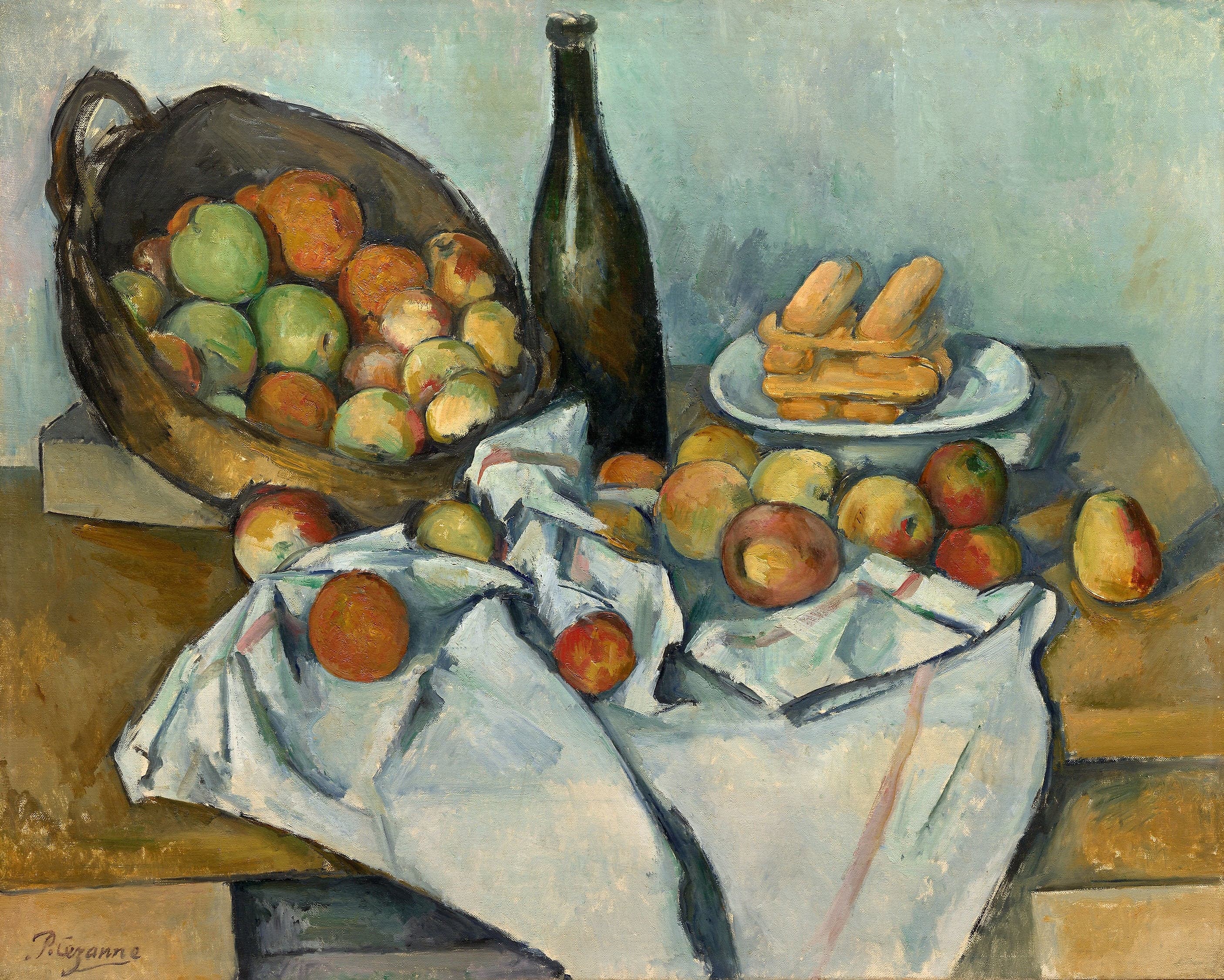
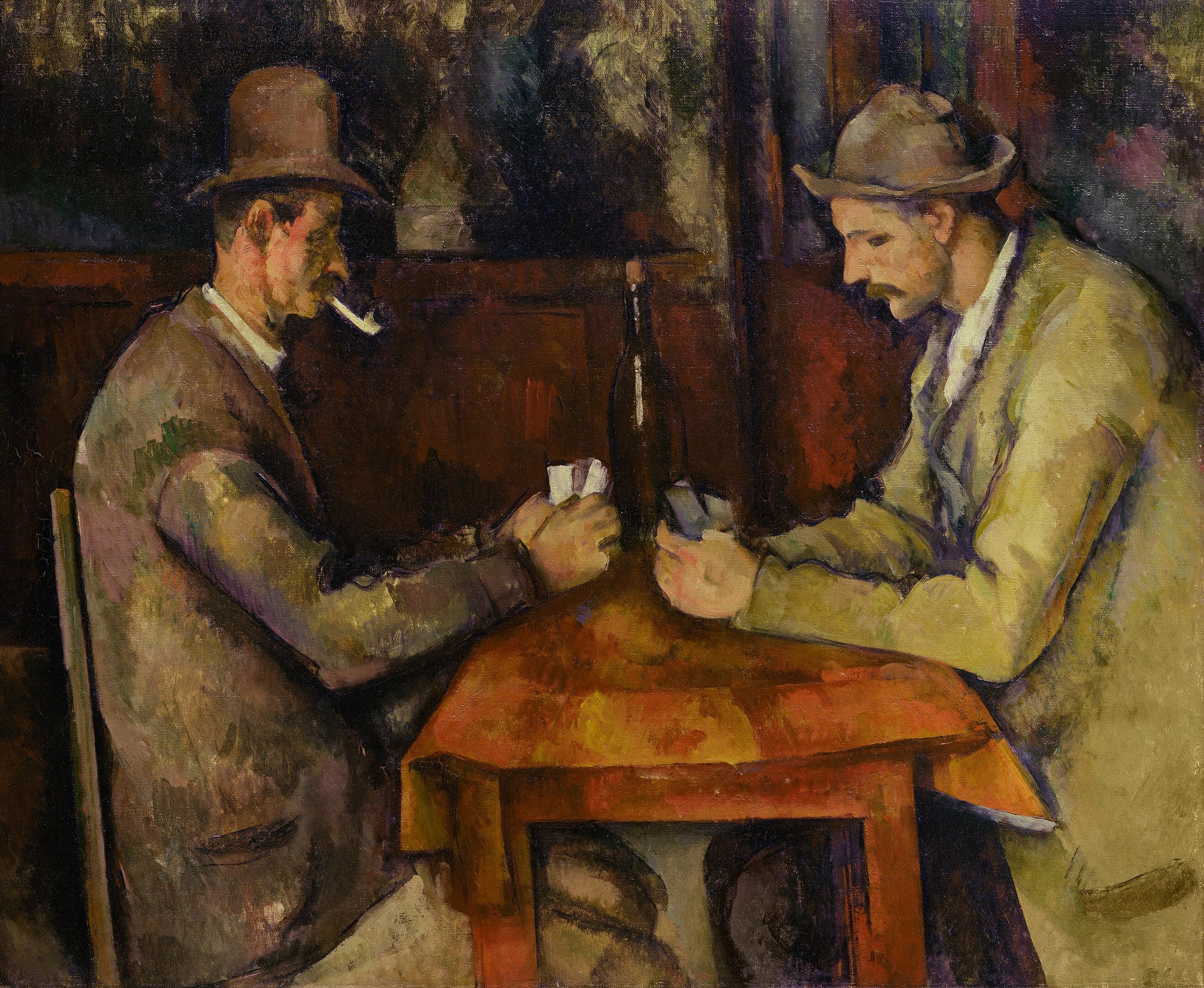
If you like Paul Cézanne
Explore painters from the same movements and circles.
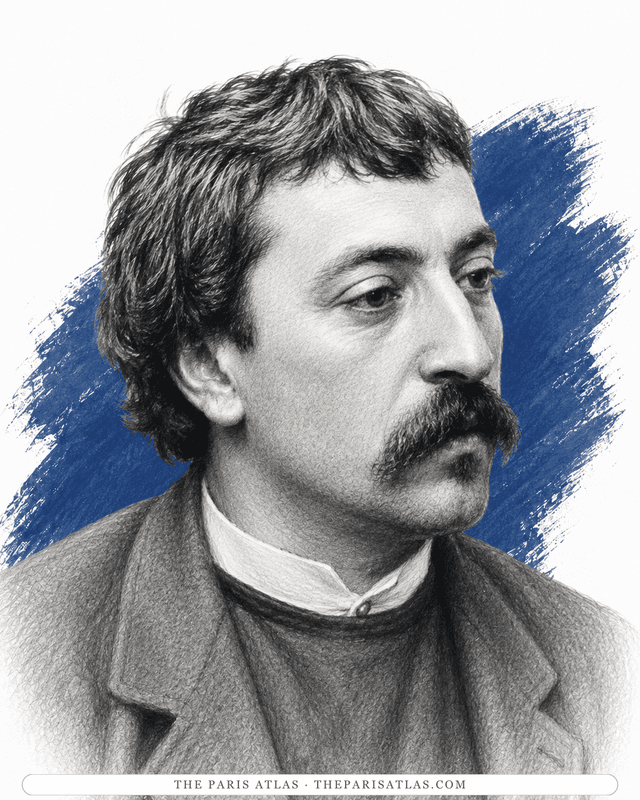
Paul Gauguin
Stockbroker turned painter who came into art through Camille Pissarro, showed with the Impressionists, and left Europe for Polynesia.
View artist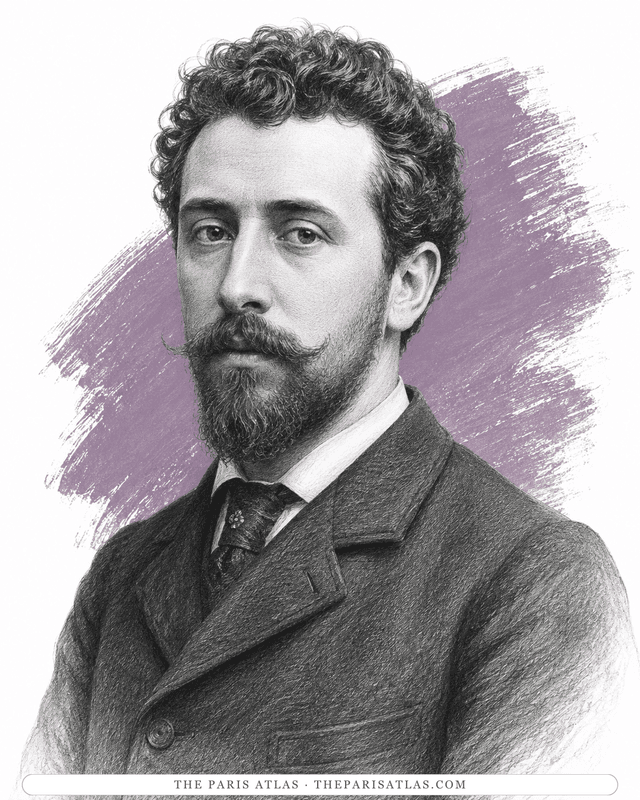
Georges Seurat
Parisian painter who built pictures from small dots of pure colour on optical principle, co-founded the Salon des Indépendants, and detonated the last Impressionist exhibition of 1886 with A Sunday on La Grande Jatte. He died at thirty-one.
View artist
Georges Braque
The Le Havre house-painter's son who invented Cubism in Montmartre with the Spanish painter Pablo Picasso between 1908 and 1914 — the quieter half of the most consequential partnership in modern art — and who invented papier collé, the pasted-paper picture, in September 1912. He was given a French state funeral in 1963.
View artist
References
The sources below include collection records, catalogues, scholarly research, and primary materials that informed this page. They document The Large Bathers, its making, and its place in cultural history.

1Paul Cézanne, The Large Bathers, 1900–1906 (W1937-1-1)
Official recordPhiladelphia Museum of ArtUsed forOfficial record used to verify names, dates, institutional details, or other factual information on this page.

2Paul Cézanne (1839–1906)
WebsiteThe Metropolitan Museum of ArtUsed forWeb source consulted for documented facts and historical context presented on the The Large Bathers page.
3Paul Cézanne
WebsiteThe Guggenheim Museums and FoundationUsed forWeb source consulted for documented facts and historical context presented on the The Large Bathers page.
4Cézanne: The Artist's Artist
WebsiteArt Institute of ChicagoUsed forWeb source consulted for documented facts and historical context presented on the The Large Bathers page.
These references provide the documented foundation for this work's history and interpretation. Claim-level citations remain attached to the specific claims they support.
 Explore more resources