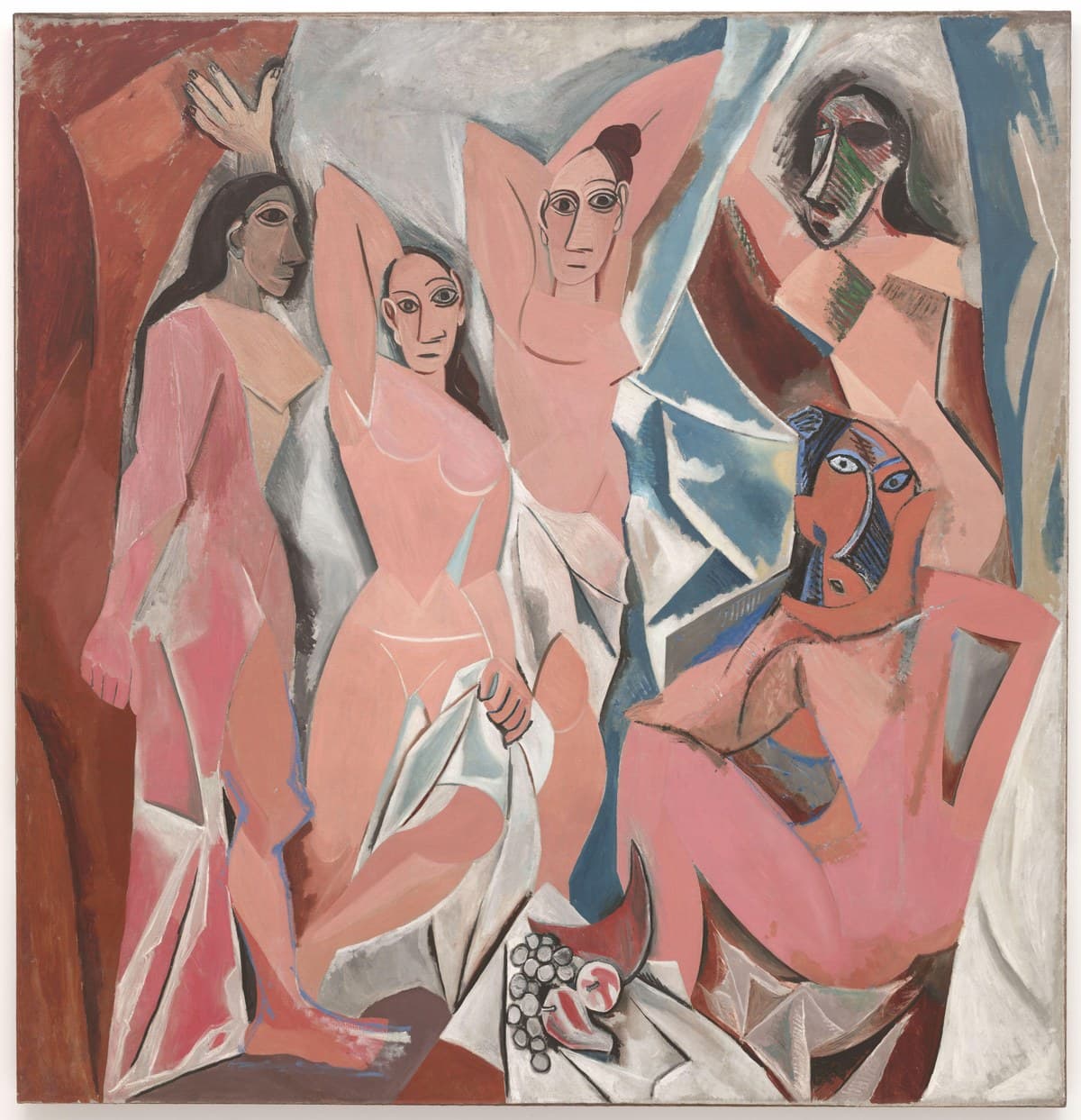
Pablo Picasso painted Les Demoiselles d'Avignon in Paris in 1907, in a studio at the Bateau-Lavoir in Montmartre. Five women stand and crouch in a shallow space, their bodies and the curtains around them broken into hard planes, the two on the right wearing masklike faces. It is nearly two and a half metres square, and hangs at the Museum of Modern Art in New York.
Les Demoiselles d'Avignon is a large oil painting developed by Pablo Picasso in Paris in 1907. Its five angular female figures and fractured setting helped redirect twentieth-century painting toward the experiments associated with Cubism. The work belongs to the Museum of Modern Art in New York, which acquired it in 1939.
What the Title and Figures Represent
Despite its title, the painting does not depict women from the French city of Avignon. Its subject is associated with a brothel and Carrer d'Avinyó in Barcelona. The women confront the viewer within a compressed space, their bodies and the surrounding curtains broken into sharp, competing planes. Faces vary markedly in treatment, particularly the masklike forms of the two figures on the right.
Rather than presenting five bodies consistently observed from one viewpoint, Picasso makes anatomy and space difficult to reconcile. The crouching figure at the lower right turns her face toward the spectator in a way that unsettles ordinary bodily orientation. The painting's force comes partly from this refusal to provide either comfortable beauty or stable spatial coherence.
The Men Picasso Removed
The final image emerged through extensive preparation rather than a single spontaneous breakthrough. An early painted study in MoMA's collection contains seven figures, including a sailor seated among the women and a medical student entering from the left with a skull. These male figures made the setting more explicitly narrative.
Picasso removed them as the composition developed. That alteration changed the relationship between the women and the person looking at the canvas. Instead of watching an encounter between figures inside the scene, the viewer occupies a more exposed position before the women themselves. The surviving studies reveal how changes in composition could also change the implied role of the audience.
Paris, Artistic Competition, and Global Sources
Picasso worked on the painting at the Bateau-Lavoir in Montmartre, within a period of intense experimentation and exchange. Cézanne's treatment of bodies and space, Iberian sculpture, and encounters with African art contributed to the picture's development. MoMA's conservation history also places it in relation to the artistic challenge represented by Matisse's recent work.
The African sources require more than a passing reference to inspiration. Objects reached European museums and markets through networks shaped by colonial power. European artists frequently admired their formal qualities while possessing limited understanding of their makers, original functions, or cultural meanings. Picasso's innovation therefore belongs within a history of artistic exchange that was consequential but unequal.
Reception and Legacy
The painting's present fame can obscure the limited circumstances of its early reception. It initially circulated through studio encounters rather than appearing immediately before a mass public; its first public exhibition came in 1916. Its historical impact developed through artists, collectors, critics, and later museum presentation.
Although frequently called the first Cubist painting, it is more precise to describe it as a crucial precursor or turning point. The sustained development of Cubism followed through Picasso's collaboration with Georges Braque. Les Demoiselles d'Avignon made a decisive break possible, but it did not contain every feature of the movement that emerged afterward.
Close reading
Reading the work, detail by detail
Five figures occupy a space broken into sharp planes. These details follow the changes in faces, bodies, fabric, and still life that make it difficult to settle on a single viewpoint.
1.A profile with a frontal eye
The leftmost face points to the right, but its large eye is drawn with the openness of an eye seen from the front. The sharp nose and flat cheek do not turn smoothly into one another. That mismatch makes the face readable while interrupting the ordinary relationship between a head and the viewpoint from which it is seen.
2.Two faces meet the viewer
The central faces share heavy outlines, long noses, and wide eyes, although the heads sit at different heights. Both look outward. Their direct gazes hold attention near the center while the raised arms create steep diagonals around them. These repeated features give the group some coherence before the more sharply altered faces on the right.
3.Hatching cuts across the cheek
Green and reddish strokes cross the cheek in parallel strips. They describe neither an even skin color nor a continuous area of shadow. Alongside the long pale nose and dark eye, the hatching makes the face appear assembled from separate marks and surfaces. Its construction is more abrupt than that of the central pair.
4.A turned back and an outward gaze
The broad back and bent arms suggest a body facing away, yet the face is presented toward the viewer. Its two eyes also sit at different angles. Instead of resolving the body into one consistent pose, Picasso allows these incompatible views to remain together. The crouching figure therefore takes up space without fitting neatly into it.
5.The drapery is as angular as the bodies
The blue and white drapery narrows into pointed wedges between the figures. These shapes have edges as firm as the contours of arms and legs. Background fabric consequently competes with the bodies for attention. The distinction between a solid person and the space around that person becomes harder to maintain.
6.The fruit tips toward the viewer
The fruit is pushed close to the lower edge, where the pale cloth narrows into a sharp point. Rounded grapes sit beside angular slices and folds. This small still life provides familiar objects, but their steep presentation offers little sense of a stable tabletop. The shallow, unsettled space continues all the way to the foreground.
Pablo Picasso develops the painting at the Bateau-Lavoir in Montmartre, working through studies that include a sailor and a medical student before removing both.
1916
The painting is publicly exhibited for the first time, nine years after it was made.
1939
The Museum of Modern Art in New York acquires it.
Where to see it
Museum of Modern Art
New York, United States
A public viewing address has not yet been confirmed for this holding.
Acquired by the Museum of Modern Art in 1939. Gallery displays change, so check the museum's own object record before making a special visit.
Frequently asked questions
What does Les Demoiselles d'Avignon depict?
Five women in a shallow, compressed space, standing and crouching, with drapery broken into hard planes around them. Two of them, on the right, have masklike faces quite unlike the other three. The setting is a brothel.
Why is it called Les Demoiselles d'Avignon?
Not for the French city of Avignon. The title refers to Carrer d'Avinyó, a street in Barcelona associated with a brothel. The name was not Pablo Picasso's own; it was applied later.
Is Les Demoiselles d'Avignon the first Cubist painting?
It is more accurate to call it a turning point that made Cubism possible. The sustained development of Cubism came afterward, through Picasso's work with Georges Braque. The painting breaks with conventional anatomy, perspective and idealised beauty, but it does not yet contain everything the movement became.
Who did Picasso remove from the painting?
A sailor seated among the women and a medical student entering from the left carrying a skull. An early painted study at MoMA shows seven figures. Taking the two men out removed the narrative and left the women facing the viewer directly, which changed where the person looking at the picture stands in relation to it.
When was Les Demoiselles d'Avignon first exhibited?
In 1916, nine years after Picasso made it. Before that it was seen mainly by visitors to his studio. Its influence spread through artists, collectors and critics rather than through public display.
Where is Les Demoiselles d'Avignon now?
At the Museum of Modern Art in New York, which acquired it in 1939. Collection displays change, so check the museum's own object record before making a special trip.
In the atlas
What the graph records about this work — every claim carries its citation.
Pablo Picasso developed the painting at the Bateau-Lavoir in Montmartre in 1907, removing a sailor and a medical student from the composition so that five women face the viewer directly. Sustained Cubism followed afterwards, through his work with Georges Braque.
— Pablo Picasso, Les Demoiselles d'Avignon — collection record; Cubism — The Metropolitan Museum of Art, essays
Explore painters from the same movements and circles.
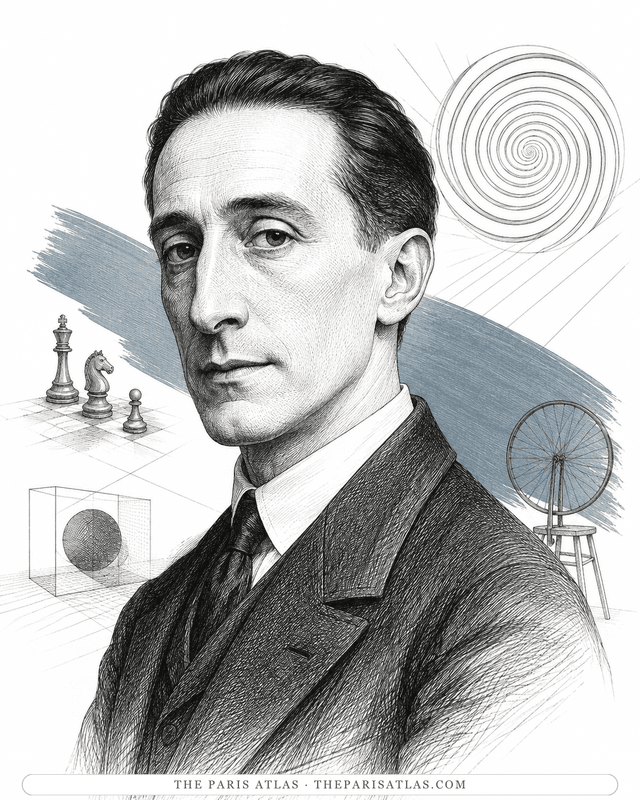
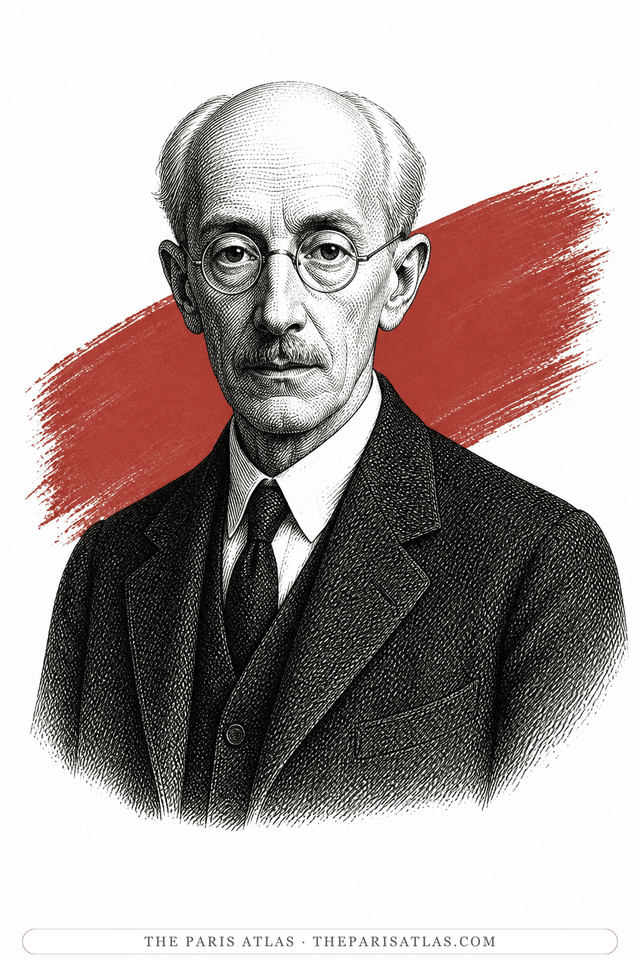
Marcel Duchamp
The century's quietest revolutionary — readymades, the abandonment of painting, chess on a Paris rooftop in Entr'acte, and one anemic film of spinning puns signed Rrose Sélavy.
Dutch painter of the primary-colour grids, made mostly in a studio beside the Gare Montparnasse where he lived on and off from 1912 to 1938. He dropped an 'a' from Mondriaan on arriving in Paris, painted his studio walls in movable rectangles, and danced the Charleston.
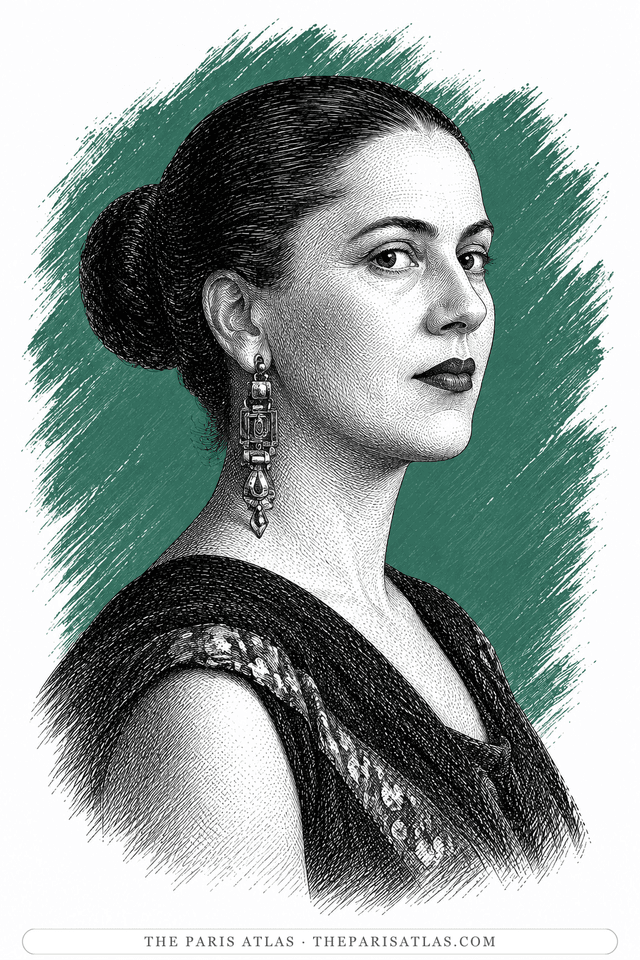
Brazilian painter who spent the 1920s moving between São Paulo and Paris, studied Cubism under André Lhote, Albert Gleizes and Fernand Léger, and used what she learned to paint Brazilian towns, railways, plants and bodies. Her 1928 painting Abaporu prompted the manifesto that gave the Anthropophagic movement its name.
The sources below include collection records, catalogues, scholarly research, and primary materials that informed this page. They document Les Demoiselles d'Avignon, its making, and its place in cultural history.
1Pablo Picasso, Les Demoiselles d'Avignon — collection record
Website
The Museum of Modern Art
Used for
The holding museum's record: the 1907 date, the 243.9 by 233.7 cm dimensions, the 1939 acquisition, and the first public exhibition in 1916.
These references provide the documented foundation for this work's history and interpretation. Claim-level citations remain attached to the specific claims they support.


 View source