
Judy
Sally’s sheltered young American friend in Paris, whose later marriage to Jim closes one route Sally assumed would remain available.
To understand the adult social world around her and find a secure life of her own rather than merely listening to Sally’s adventures.
The book

At a glance
- Sally’s young friend
- The same Paris hotel as Sally
- Later marries Jim Breit
Who they are in the book
Spoiler-freeJudy is younger and more protected than Sally, and her admiration helps Sally see herself as experienced. Their friendship also reveals how much of Sally’s sophistication depends on performance.
When Sally returns from the disastrous trip, Judy is ill and married to Jim, forcing Sally to recognize that other lives did not pause while she chased Larry.
How Judy Is Portrayed
- Teenage American girlShe is younger and more sheltered than Sally.
- Simple 1950s clothesHer appearance is modest rather than childish.
- Curious attentive eyesShe absorbs Sally’s stories eagerly.
- Gentle reserveHer quietness contrasts with Sally’s performance.
- Close engraved bustNo hotel or studio scenery appears.
- Muted violet accentThe color separates her from Sally’s cool blue.
When Sally returns to Paris, Judy is ill and has married Jim. Sally invents a hopeful Hollywood plan partly to comfort her.
If you like The Dud Avocado


If you like Elaine Dundy
Explore authors with a similar voice, perspective, and influence.
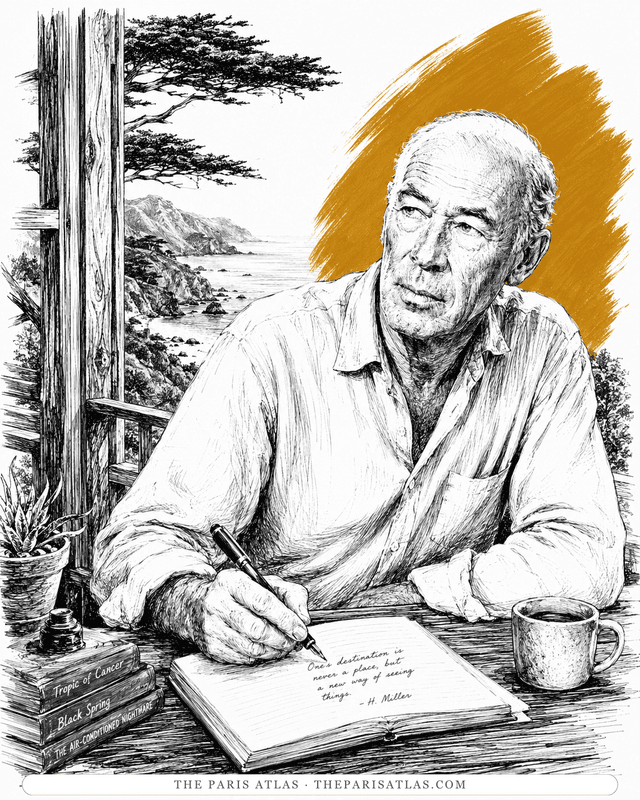
Henry Miller
The Brooklyn dropout who arrived in Paris broke at thirty-eight and wrote the exuberant, banned books that ended American censorship.
View author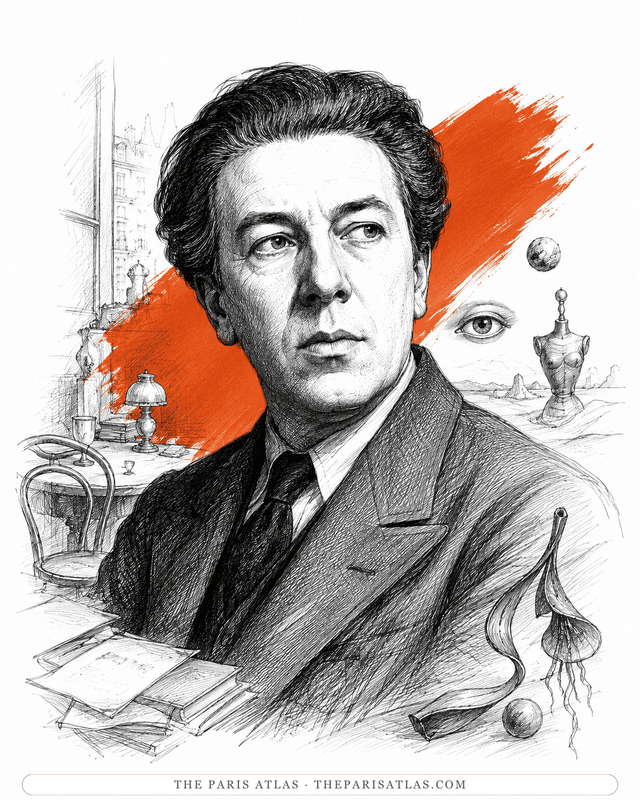
André Breton
Wrote the Surrealist manifestos and decided who belonged to the movement. Dalí joined in 1929 and was expelled ten years later, by which time Breton had renamed him Avida Dollars.
View author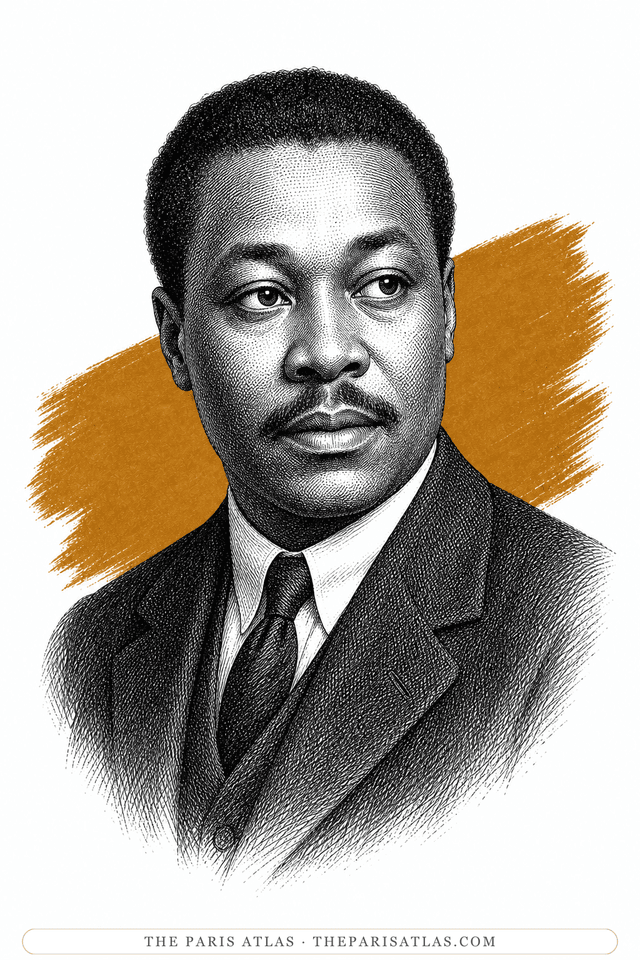
Claude McKay
Jamaican-born poet and novelist, and one of the essential writers of the Harlem Renaissance. He arrived in Paris from Moscow in 1923 and stayed in France until 1928, writing Home to Harlem there — and forming a low opinion of the rich, white expatriate scene that dominates most accounts of the period. His Paris is the same years as Hemingway's and almost nothing like it.
View author