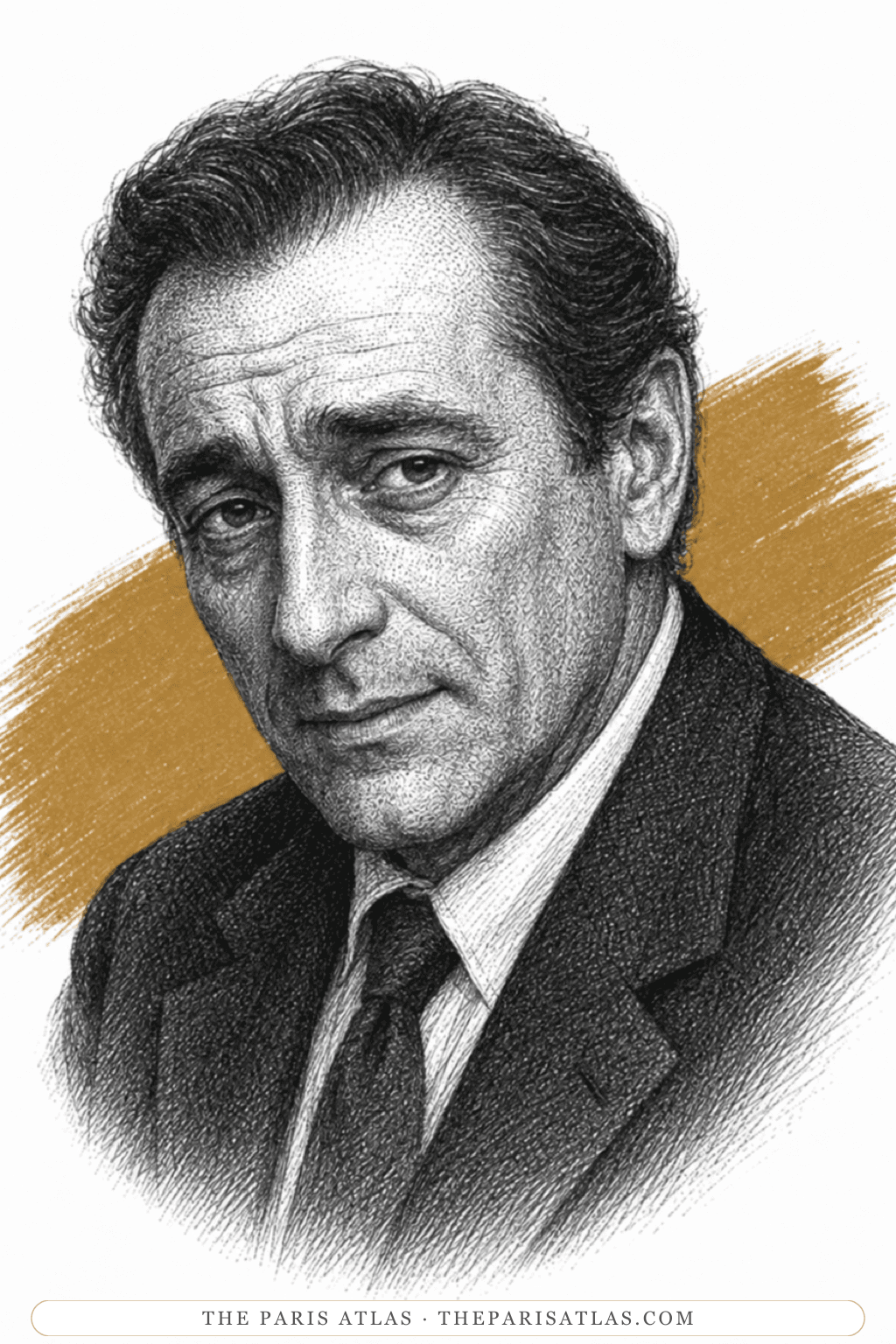
Teddy Visconti
The married Italian diplomat Sally dates early in Paris, whose wounded response to their breakup complicates her belief that every affair can remain casual.
To turn his affair with Sally into a more lasting relationship after his marriage begins to collapse.
The book

At a glance
- Italian diplomat
- Married when he begins seeing Sally
- Sally’s older lover
Who they are in the book
Spoiler-freeTeddy is older, socially experienced, married, and already attached to another mistress. Sally assumes this arrangement makes their own affair unserious by definition.
When his wife leaves and Sally ends the relationship, he reveals that he had imagined a future with her, making him both comic complication and evidence of emotional asymmetry.
How Teddy Visconti Is Portrayed
- Middle-aged Italian manHis age and position distinguish him from Sally’s student and theater circle.
- Elegant suitDiplomatic polish is part of his social identity.
- Expressive faceHis hurt is harder to conceal than Sally expects.
- Worldly bearingExperience does not prevent romantic disappointment.
- Close engraved bustNo embassy or restaurant setting appears.
- Muted ochre accentWarm restraint separates him from Larry.
Sally leaves Teddy for the possibility of Larry. Later Teddy helps expose Larry’s exploitation and passport scheme.
If you like The Dud Avocado


If you like Elaine Dundy
Explore authors with a similar voice, perspective, and influence.
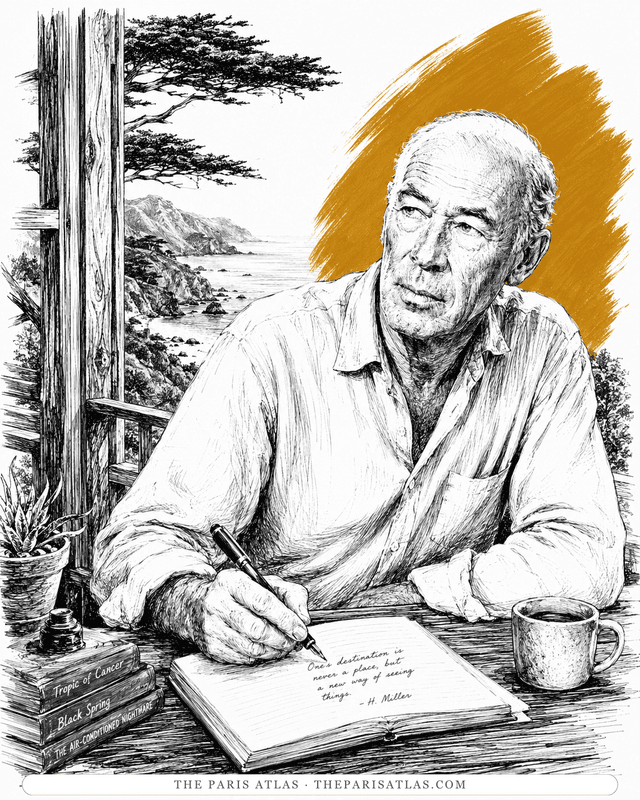
Henry Miller
The Brooklyn dropout who arrived in Paris broke at thirty-eight and wrote the exuberant, banned books that ended American censorship.
View author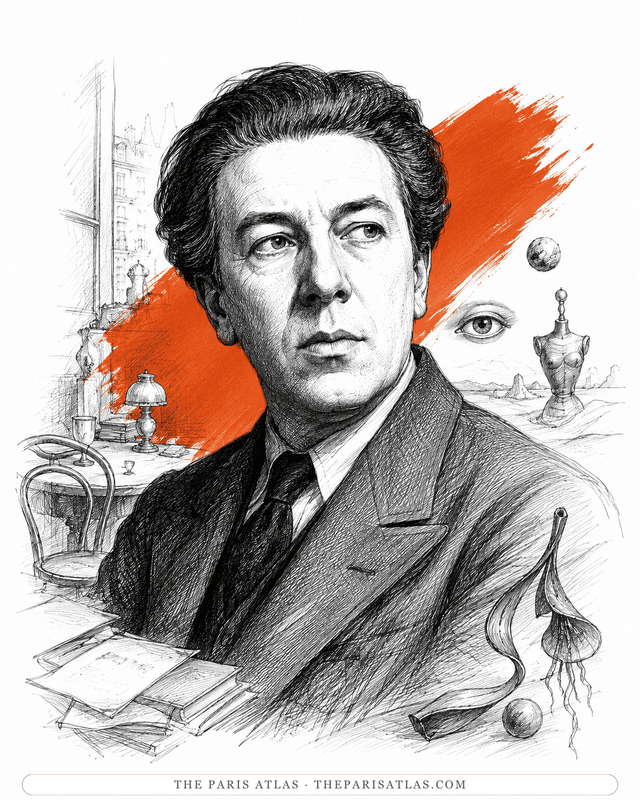
André Breton
Wrote the Surrealist manifestos and decided who belonged to the movement. Dalí joined in 1929 and was expelled ten years later, by which time Breton had renamed him Avida Dollars.
View author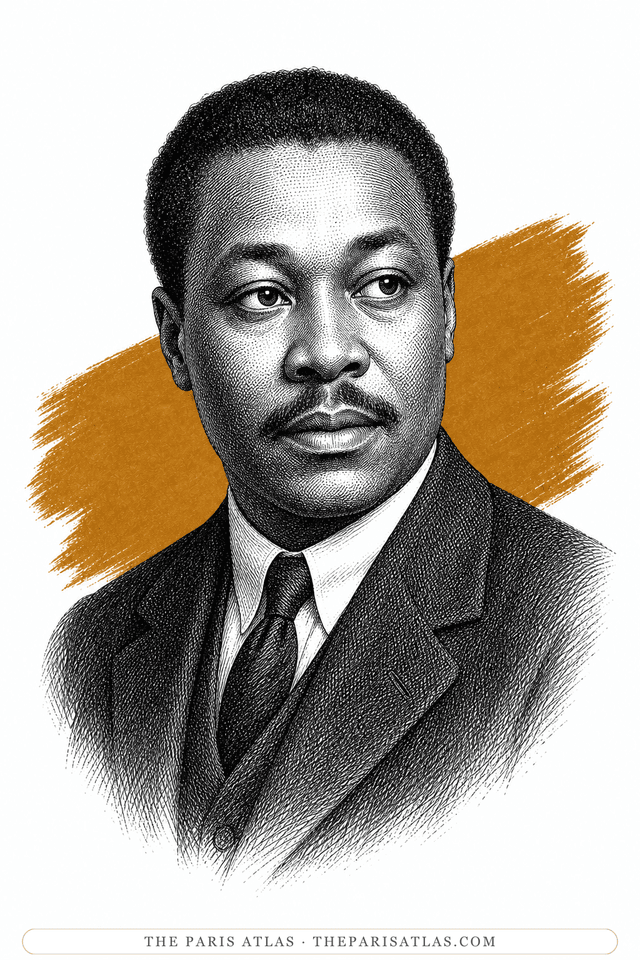
Claude McKay
Jamaican-born poet and novelist, and one of the essential writers of the Harlem Renaissance. He arrived in Paris from Moscow in 1923 and stayed in France until 1928, writing Home to Harlem there — and forming a low opinion of the rich, white expatriate scene that dominates most accounts of the period. His Paris is the same years as Hemingway's and almost nothing like it.
View author