
Lila
Larry’s former girlfriend, whose treatment reveals the violence and exploitation hidden beneath his theatrical charm.
To survive Larry’s control and retain an independent life after being used by him.
The book

At a glance
- Larry’s former girlfriend
- Exposes the truth about Larry
- Known to Teddy and the Contessa
Who they are in the book
Spoiler-freeLila is not simply a jealous former lover placed in Sally’s way. Her history with Larry gives Sally evidence that his relationships with women are bound up with coercion and profit.
The scene in which Larry assaults her ends Sally’s ability to interpret his danger as exciting bohemian behavior.
How Lila Is Portrayed
- Young womanShe belongs to Larry’s theatrical and sexual network.
- Guarded expressionExperience has taught her caution.
- Period daywearThe portrait avoids glamour or victim imagery.
- Steady gazeShe is shown as a person, not merely evidence about Larry.
- Close engraved bustNo violent event appears in the portrait.
- Muted plum accentThe color is distinct but restrained.
Sally witnesses Larry assault Lila. The violence confirms the warnings about him and helps drive Sally’s escape.
If you like The Dud Avocado


If you like Elaine Dundy
Explore authors with a similar voice, perspective, and influence.

Henry Miller
The Brooklyn dropout who arrived in Paris broke at thirty-eight and wrote the exuberant, banned books that ended American censorship.
View author
André Breton
Wrote the Surrealist manifestos and decided who belonged to the movement. Dalí joined in 1929 and was expelled ten years later, by which time Breton had renamed him Avida Dollars.
View author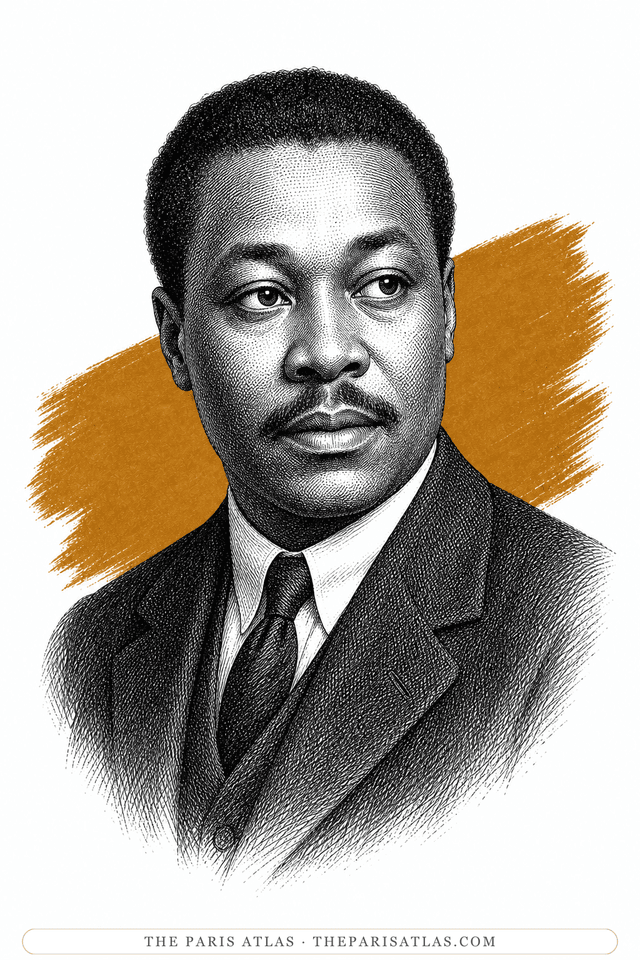
Claude McKay
Jamaican-born poet and novelist, and one of the essential writers of the Harlem Renaissance. He arrived in Paris from Moscow in 1923 and stayed in France until 1928, writing Home to Harlem there — and forming a low opinion of the rich, white expatriate scene that dominates most accounts of the period. His Paris is the same years as Hemingway's and almost nothing like it.
View author