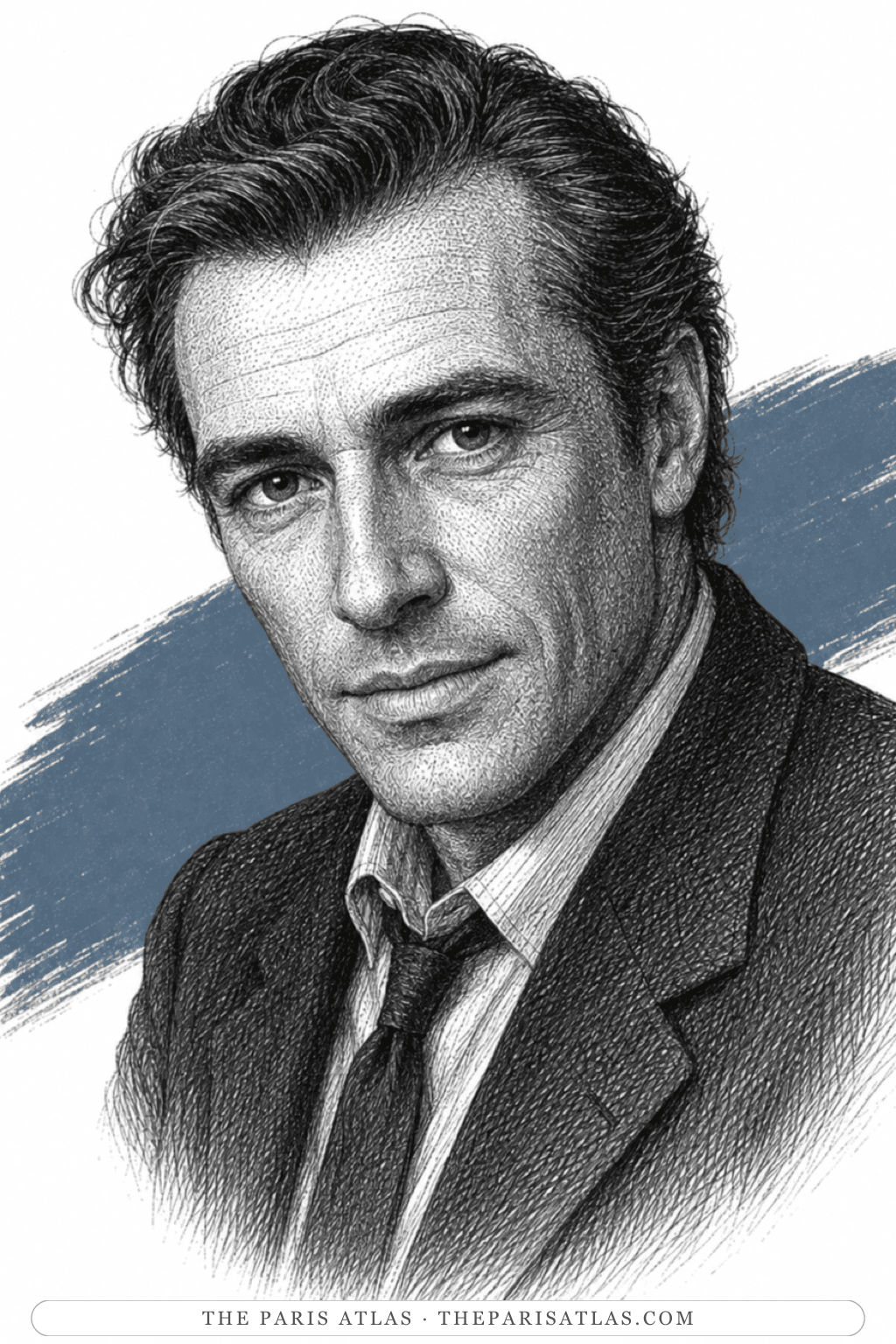
Maximilian Ramage
A sophisticated photographer Sally meets in Paris who later finds her in New York and offers the novel’s unexpected final romance.
To find Sally again, tell her that he loves her, and build a life with her beyond the Paris adventure.
The book

At a glance
- Photographer
- First knows Sally in Paris
- Sally’s final romantic partner
Who they are in the book
Spoiler-freeMax appears earlier in the Parisian social world without becoming the central object of Sally’s pursuit. That relative distance matters when he returns at the end.
His arrival in New York converts what looked like Sally’s retreat from adventure into another departure, although now she chooses with more knowledge than she had at the beginning.
How Maximilian Ramage Is Portrayed
- Sophisticated photographerHis profession and bearing distinguish him from the theater circle.
- Tall composed figureElegance appears without fashionable exaggeration.
- Direct warm gazeHe is emotionally clearer than Larry.
- Mid-century tailoringThe portrait remains plausible for 1958.
- Close engraved bustNo camera appears under the prop-free standard.
- Muted slate accentThe cool color supports his late, steady entrance.
Max finds Sally working in a New York library, tells her he loves her, and proposes a shared future. They decide to marry and leave for Japan.
If you like The Dud Avocado


If you like Elaine Dundy
Explore authors with a similar voice, perspective, and influence.
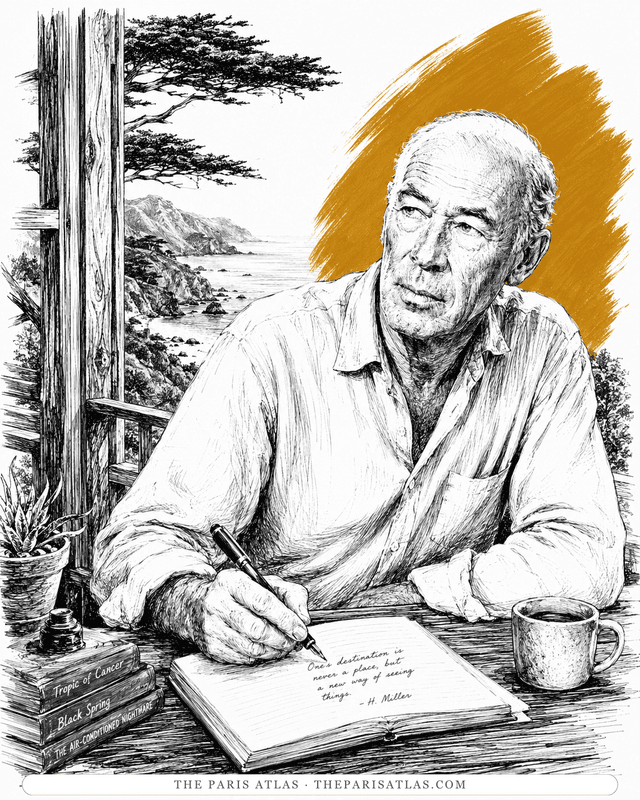
Henry Miller
The Brooklyn dropout who arrived in Paris broke at thirty-eight and wrote the exuberant, banned books that ended American censorship.
View author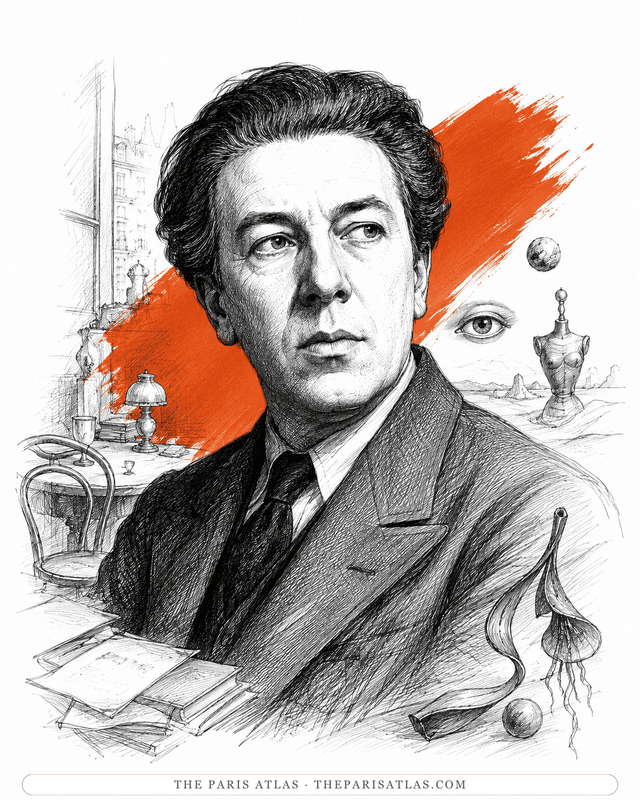
André Breton
Wrote the Surrealist manifestos and decided who belonged to the movement. Dalí joined in 1929 and was expelled ten years later, by which time Breton had renamed him Avida Dollars.
View author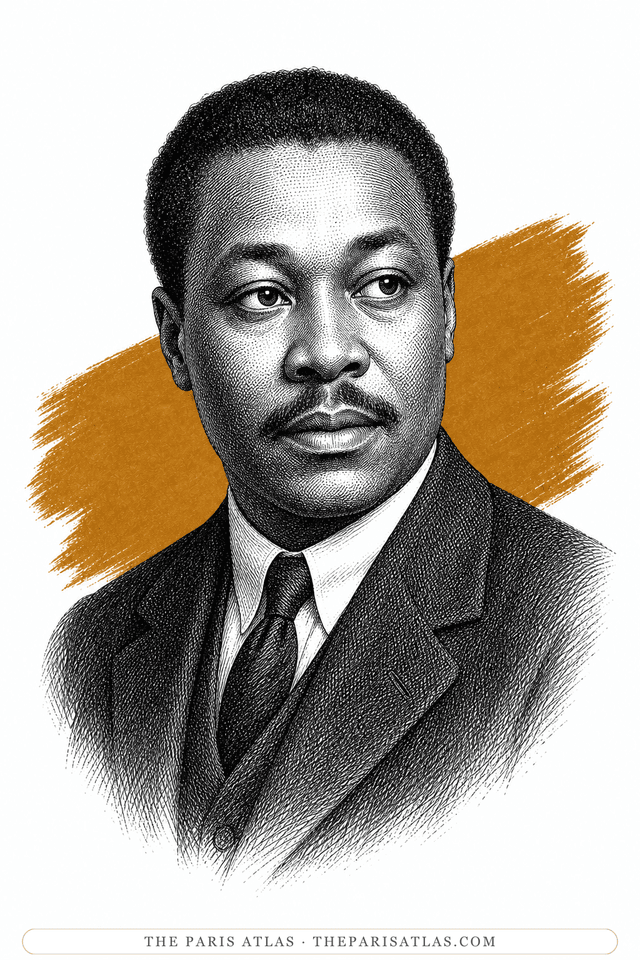
Claude McKay
Jamaican-born poet and novelist, and one of the essential writers of the Harlem Renaissance. He arrived in Paris from Moscow in 1923 and stayed in France until 1928, writing Home to Harlem there — and forming a low opinion of the rich, white expatriate scene that dominates most accounts of the period. His Paris is the same years as Hemingway's and almost nothing like it.
View author